
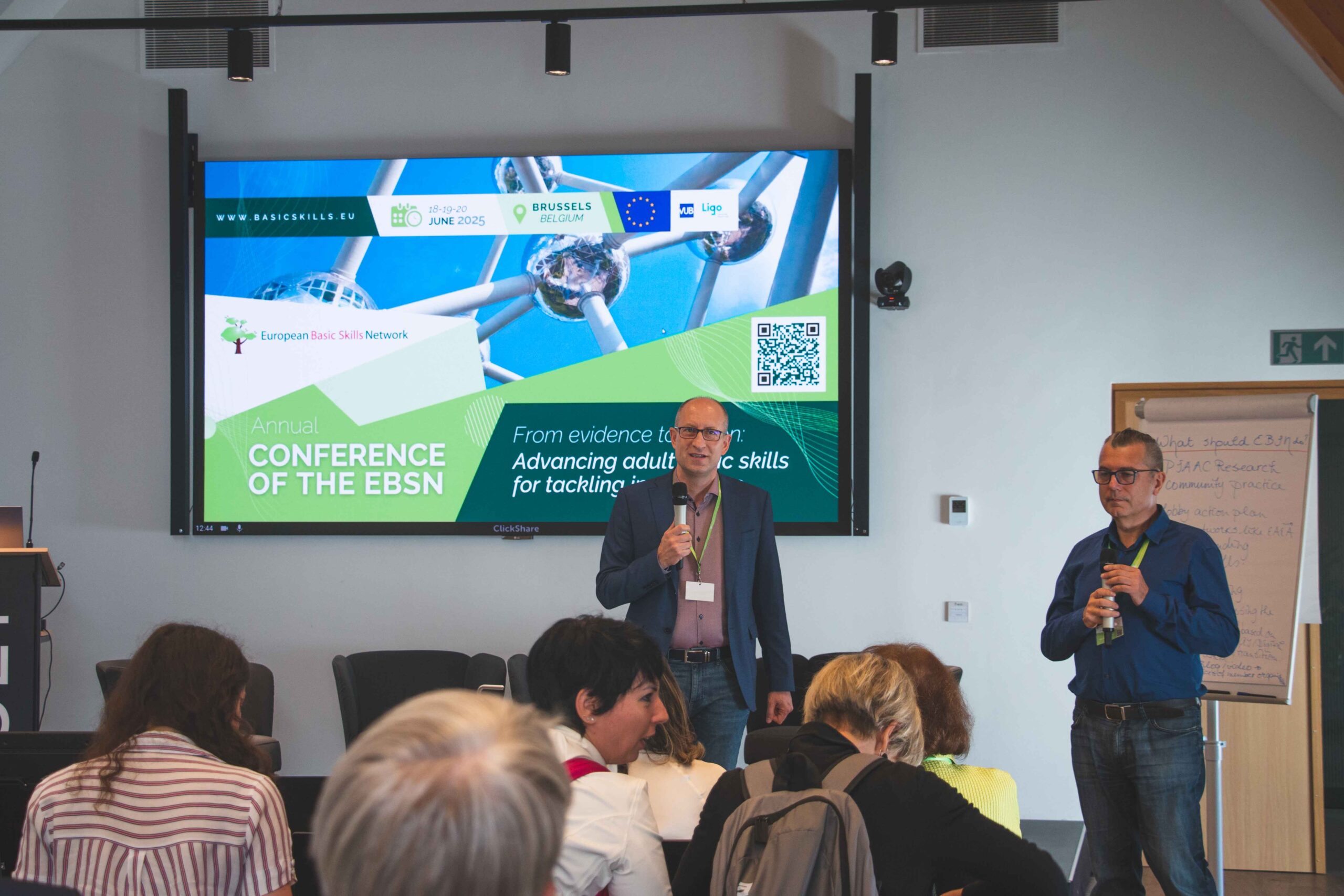
Annual Conference of the EBSN
From Evidence to Action:
Advancing Adult Basic Skills for Tackling Inequalities
18-19-20 June 2025
Brussels, Belgium
EBSN in cooperation with the Vrije Universiteit Brussel and Ligo, Centres for Adult Basic Education from Belgium.
Conference Evaluation
EBSN Conference summary
coming soon
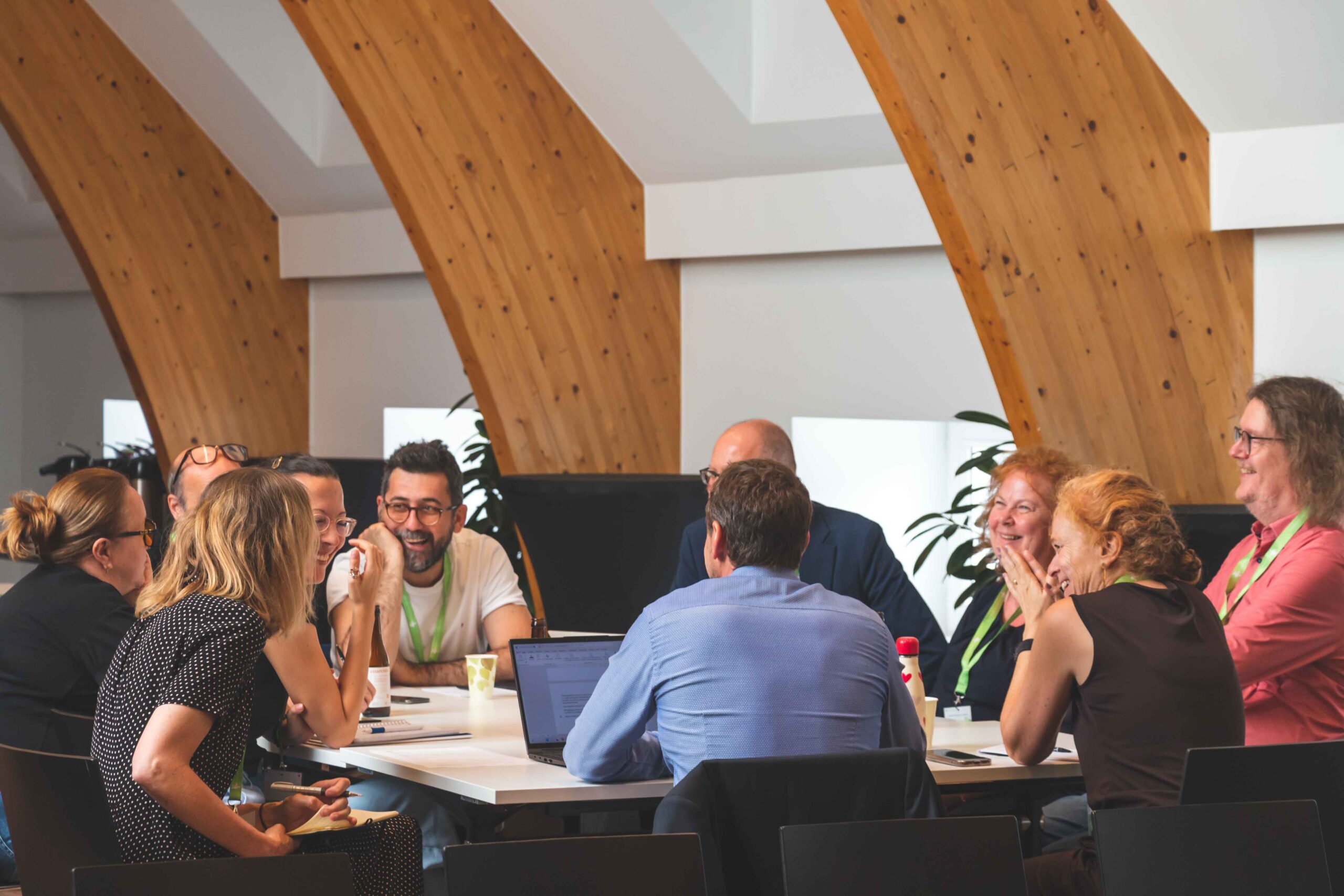
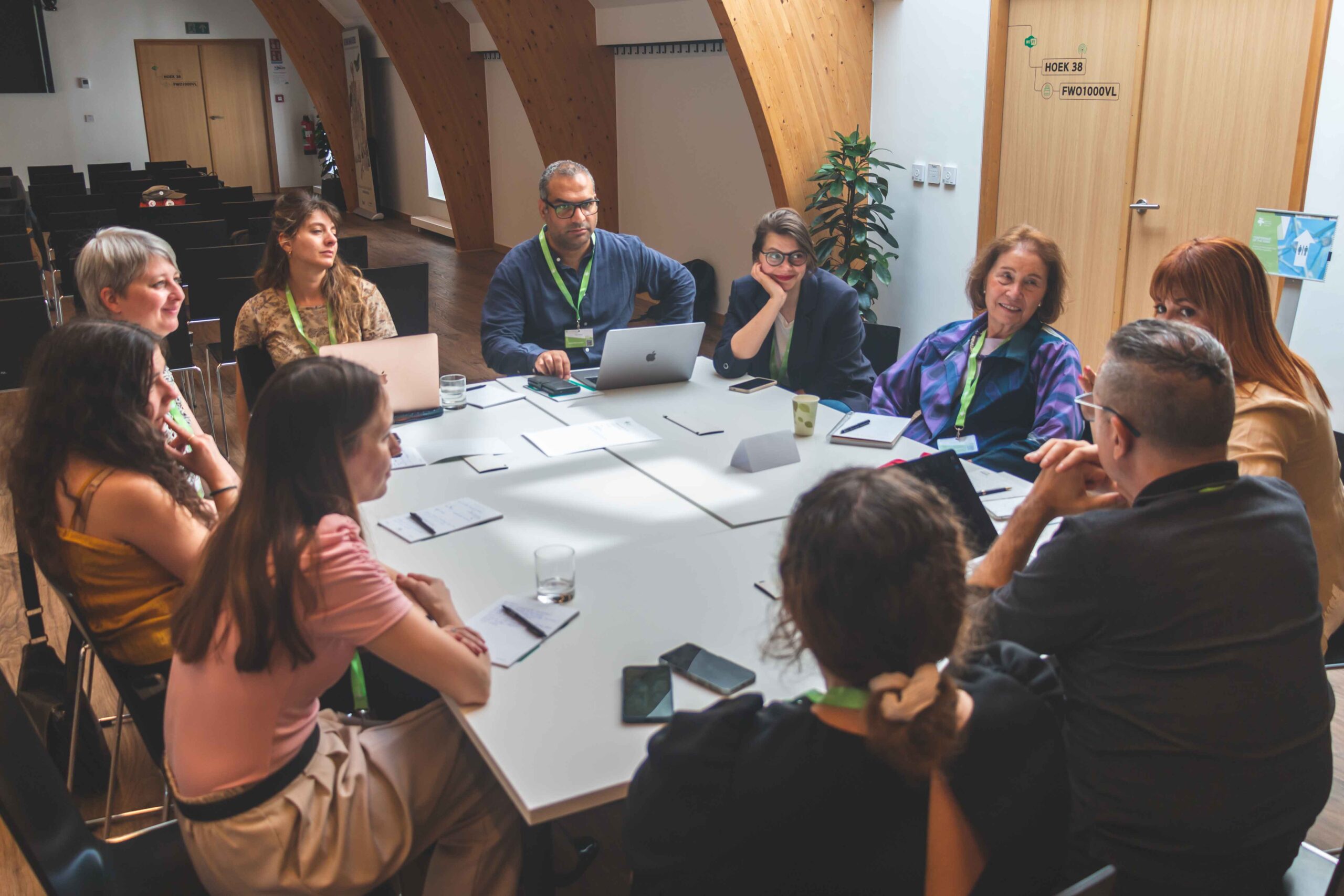
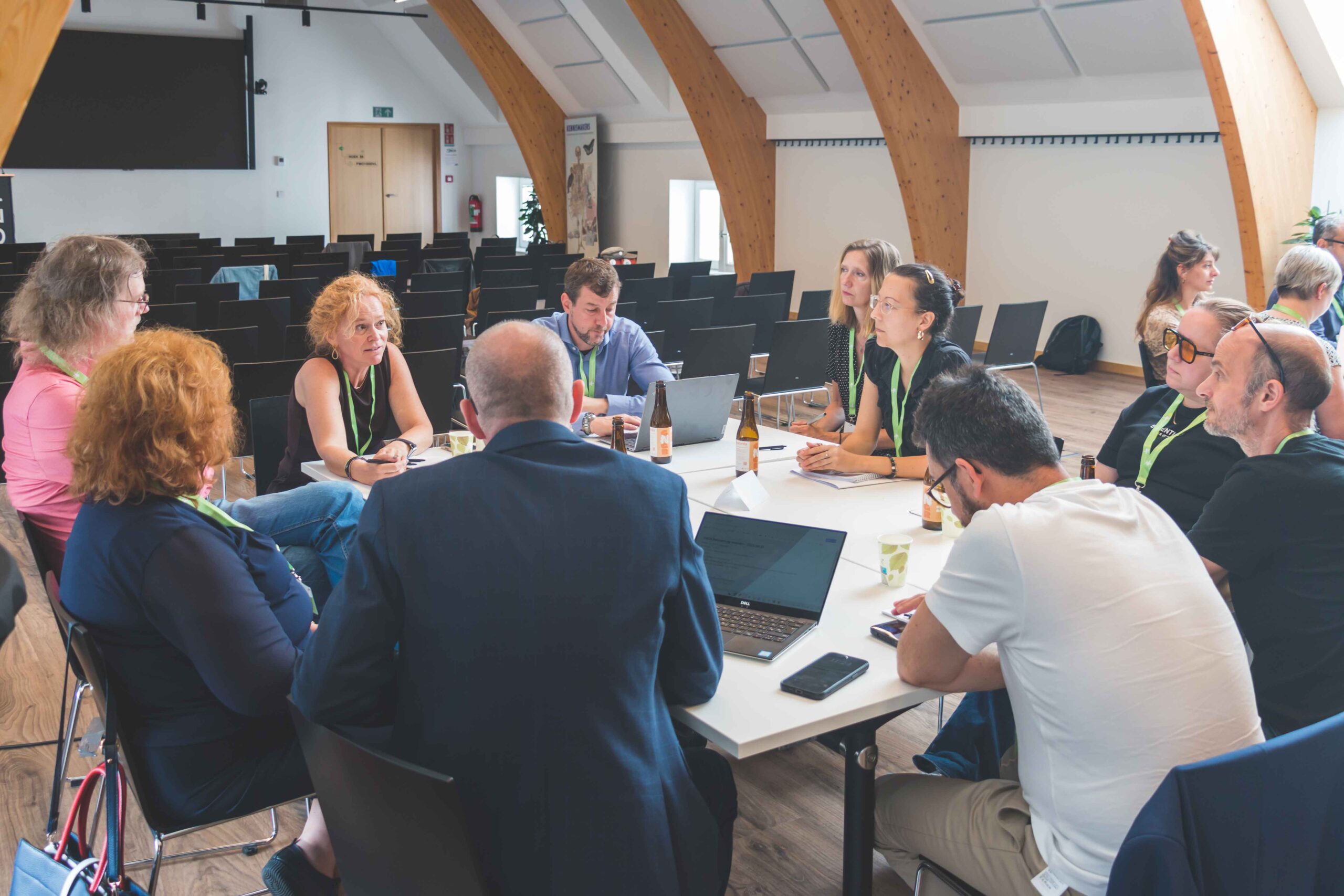
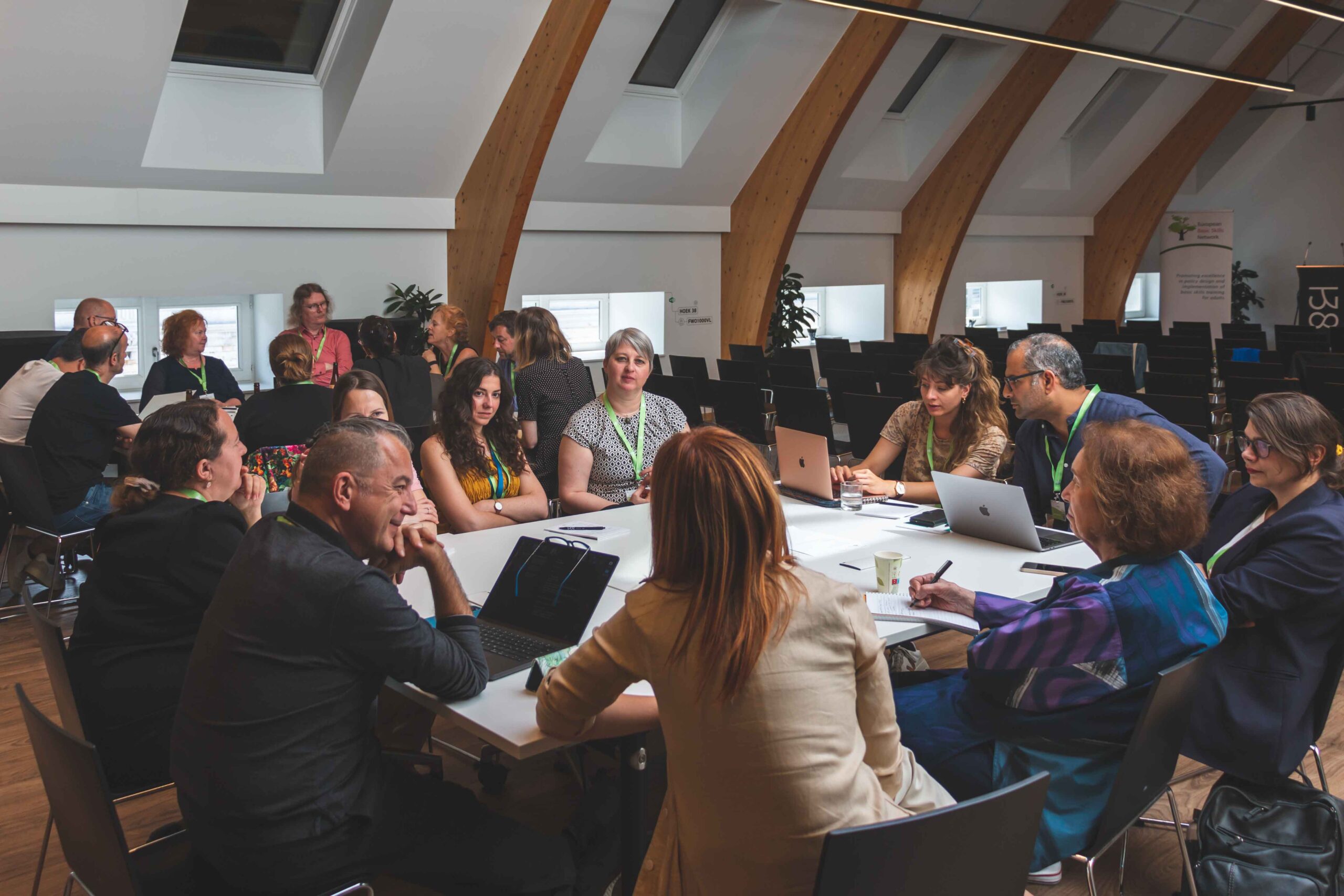
Gallery
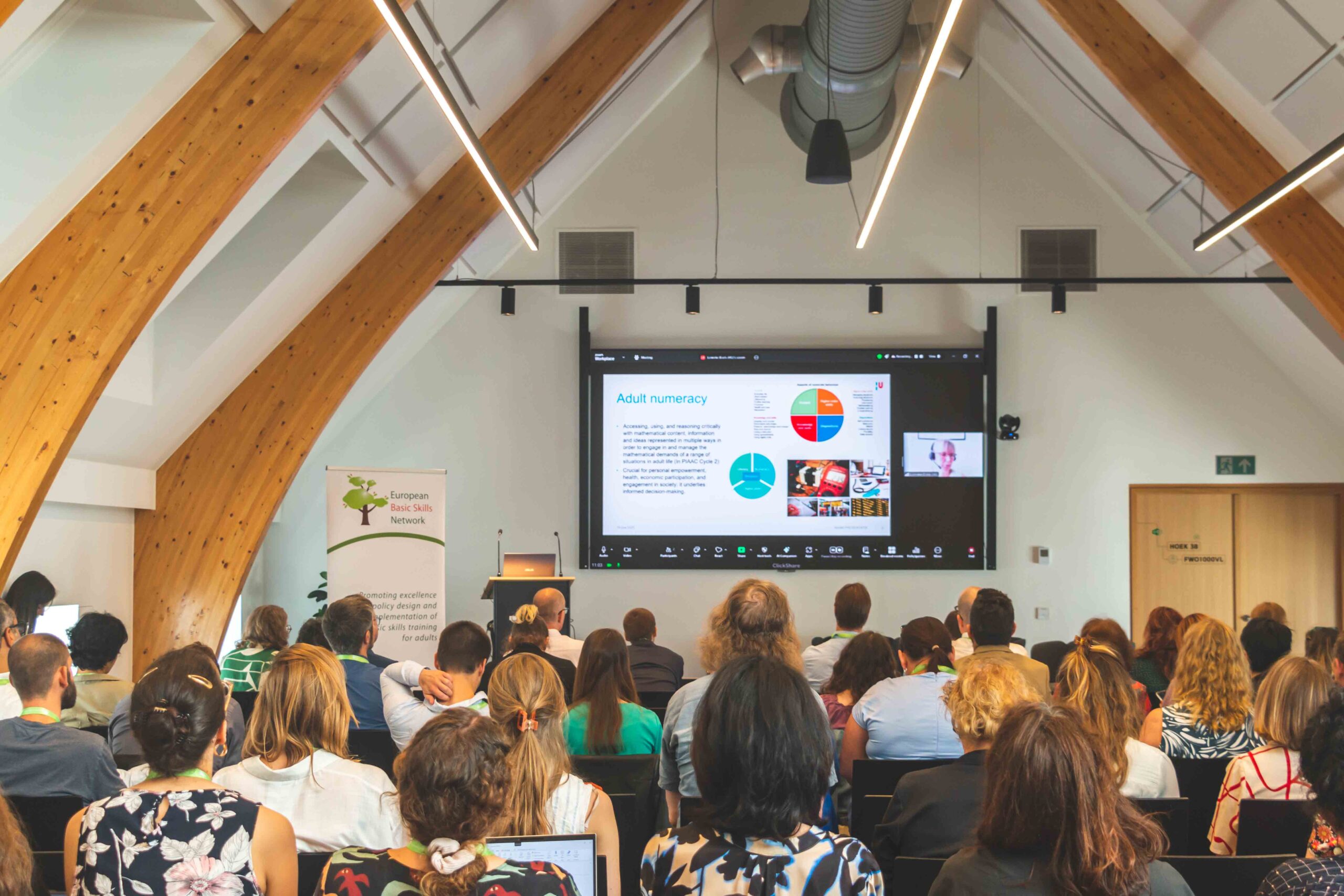
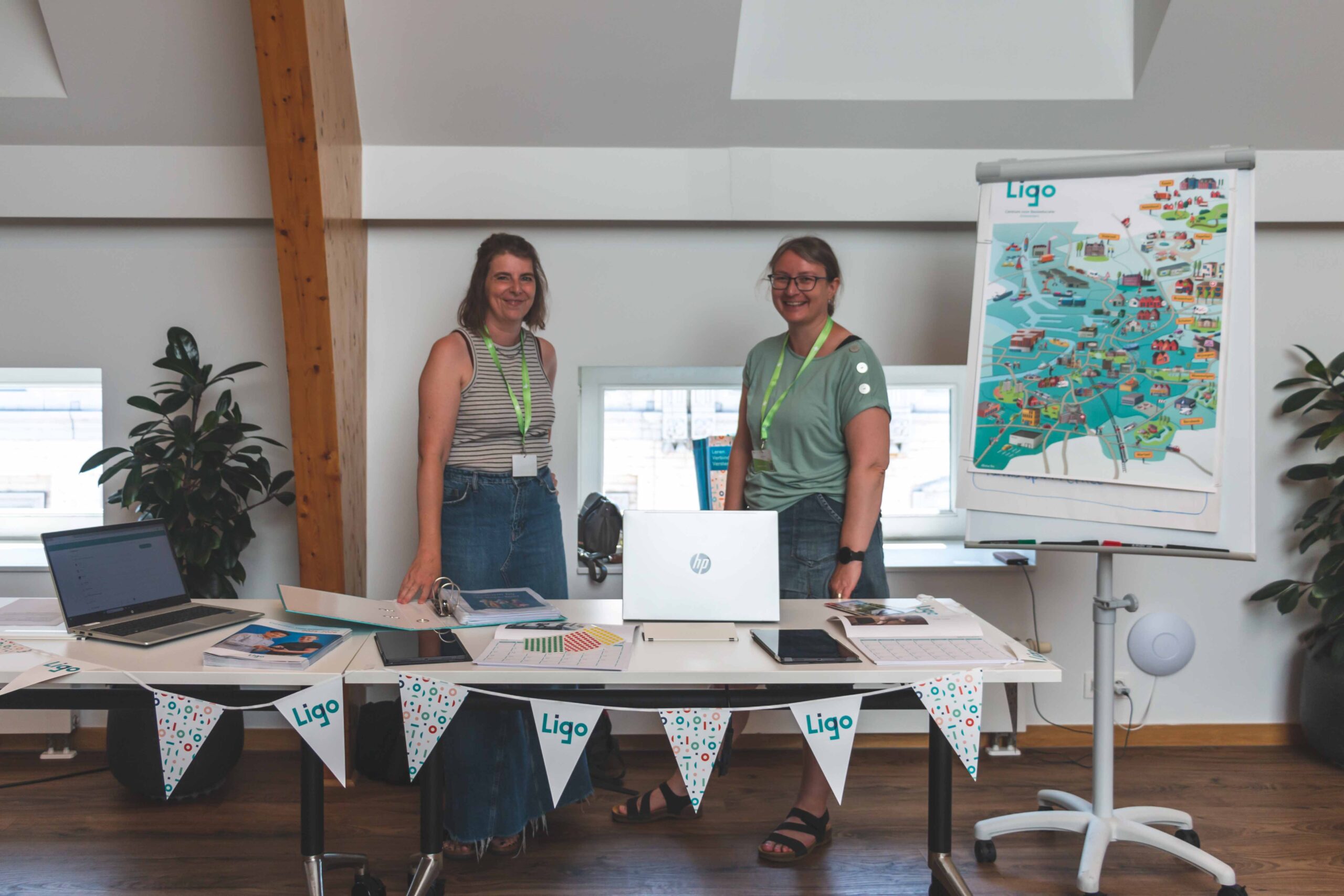

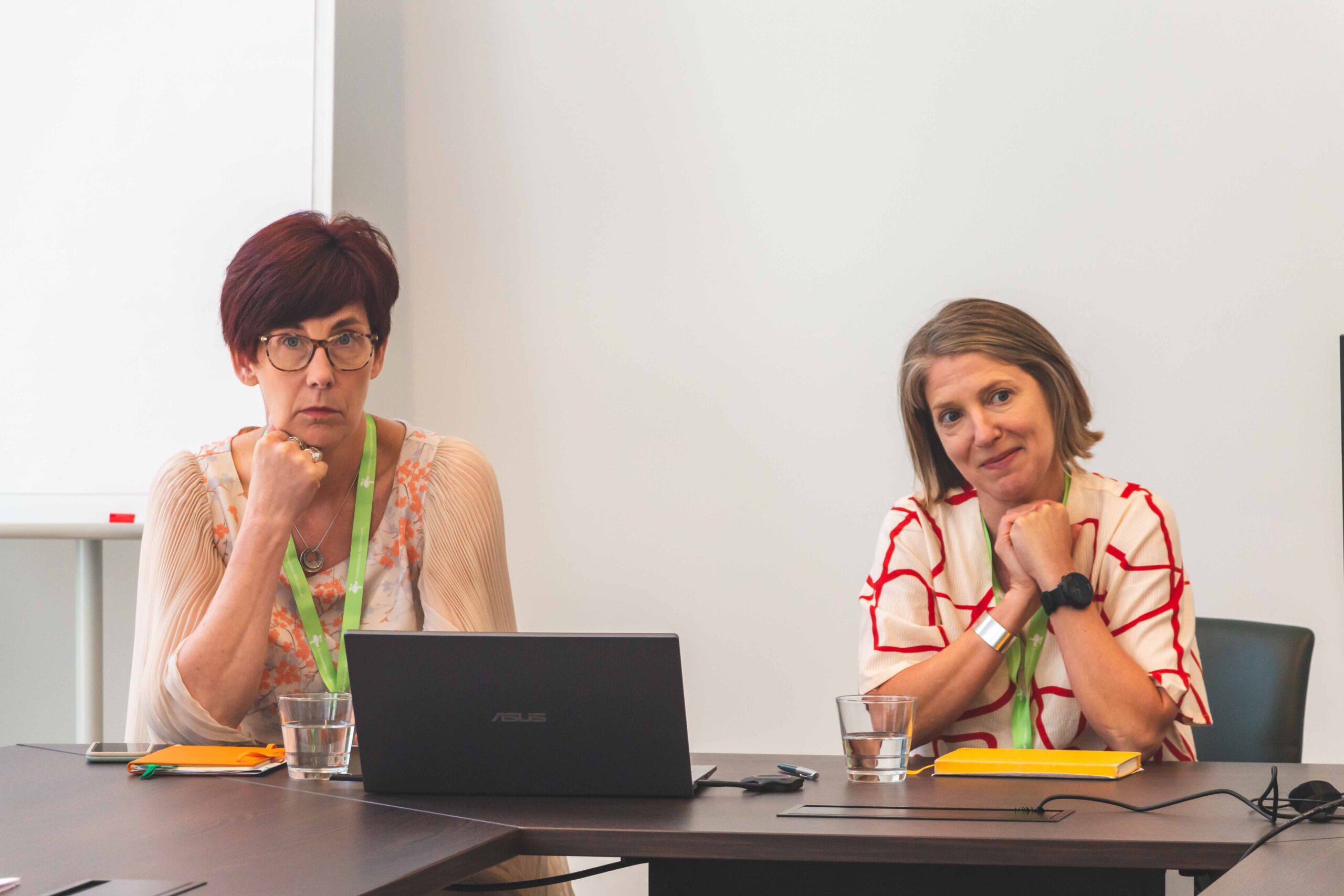
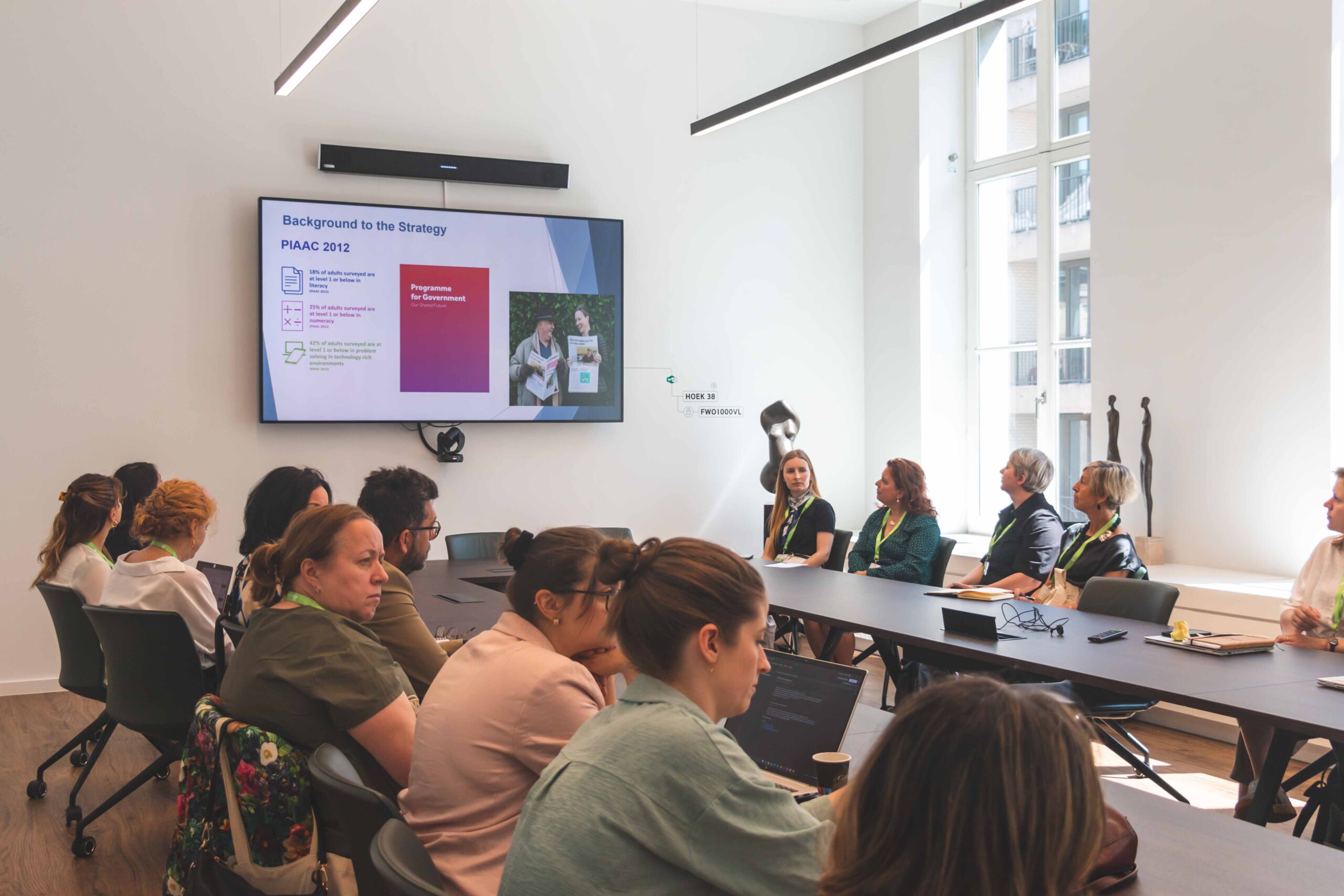
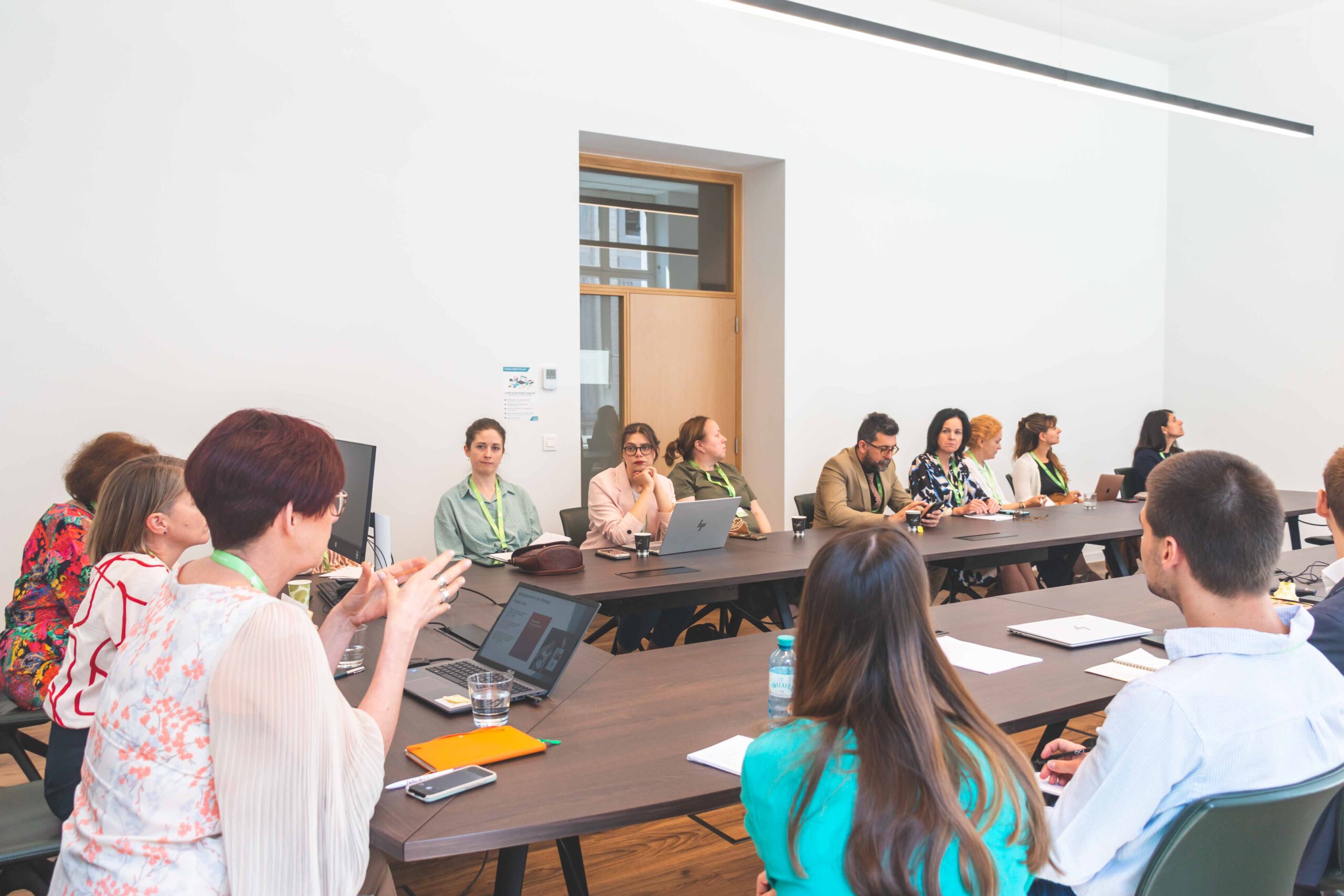
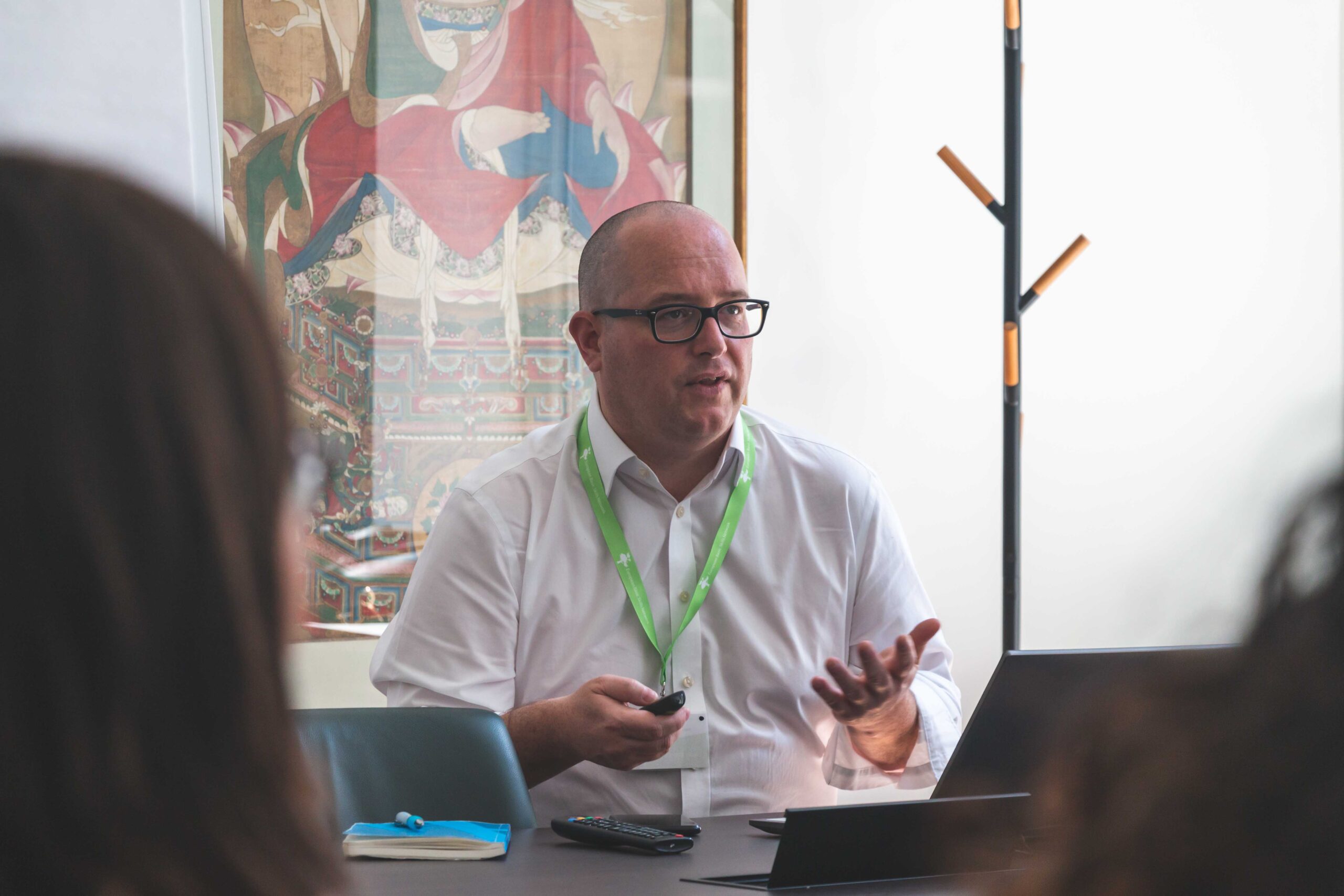
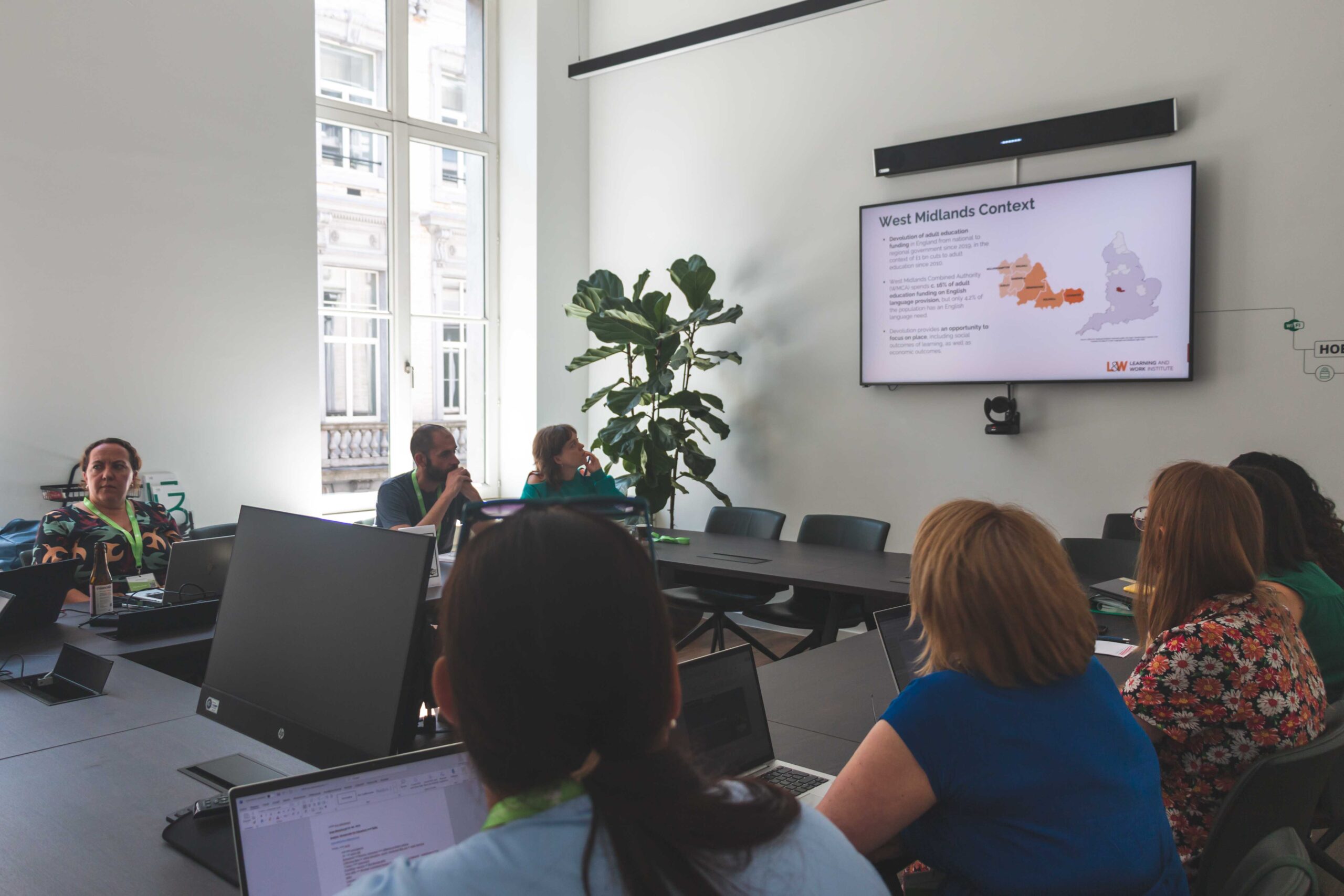
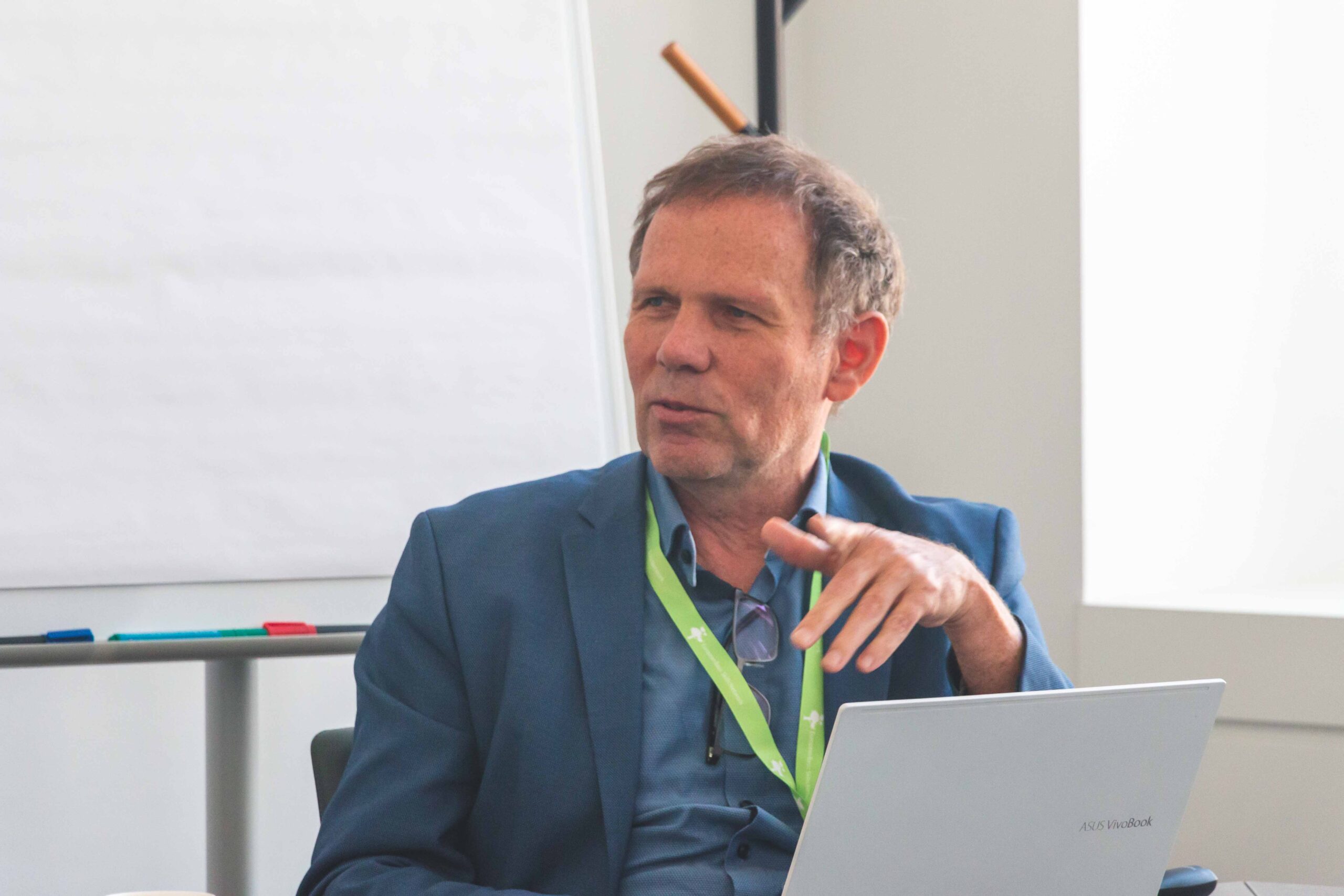
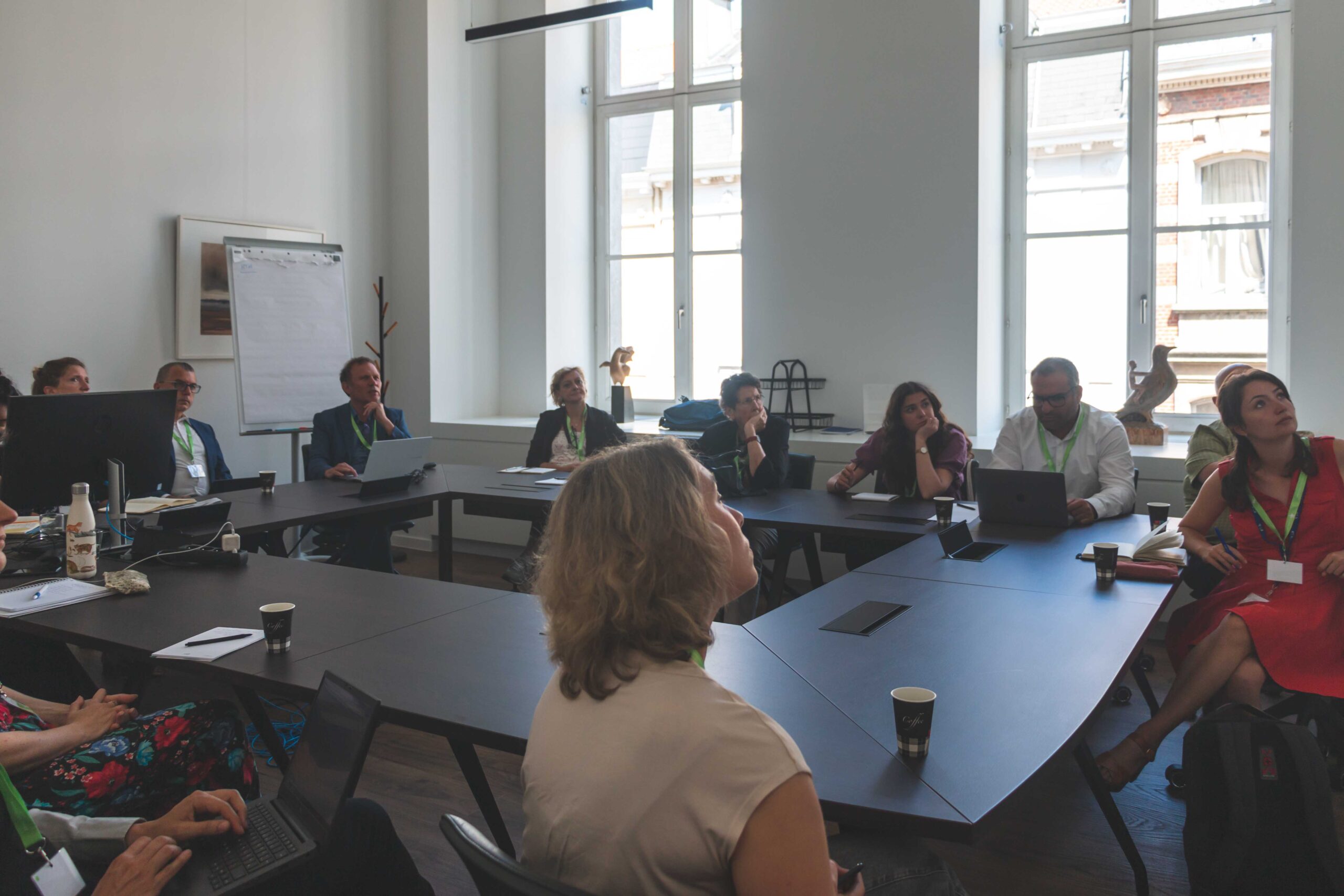
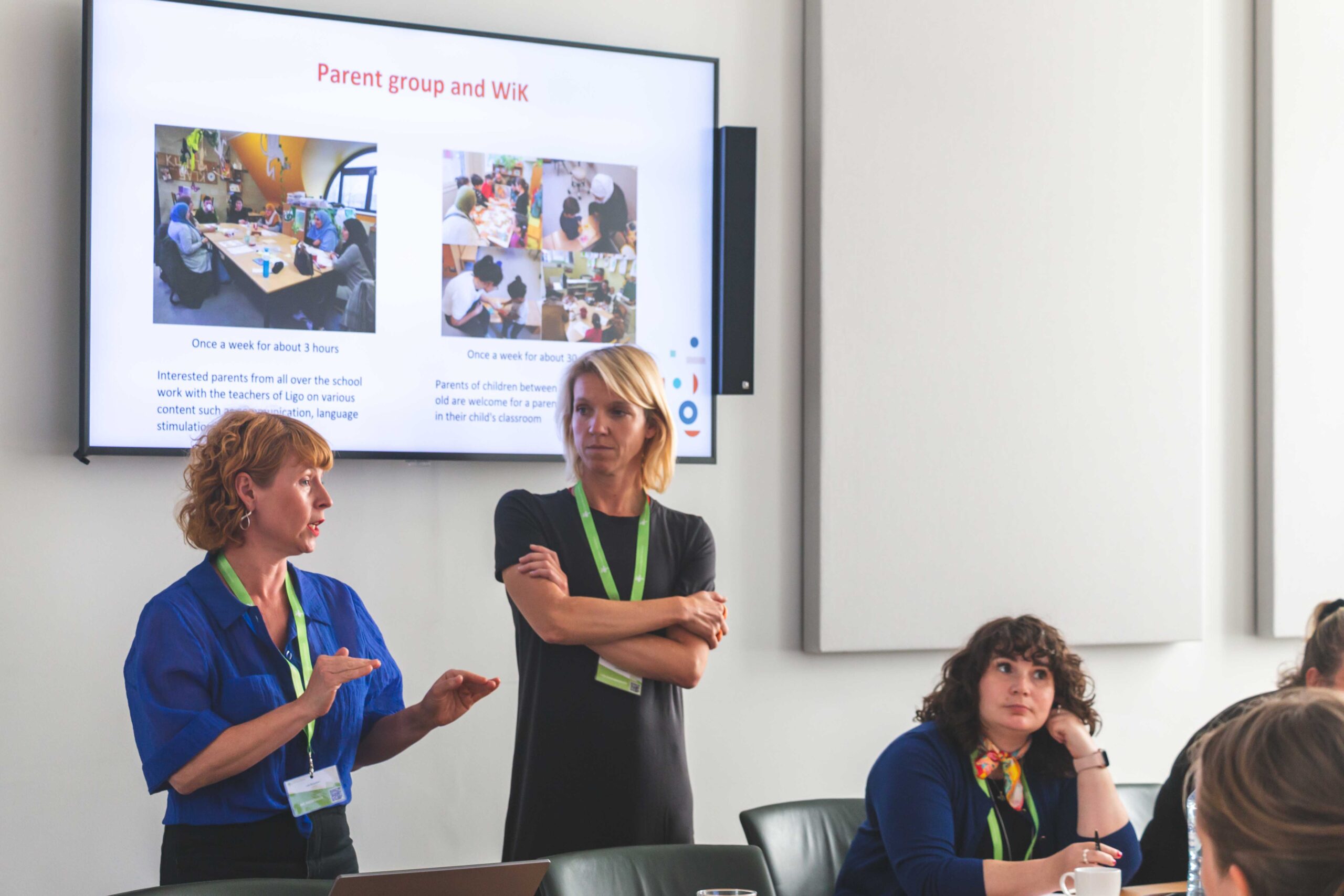
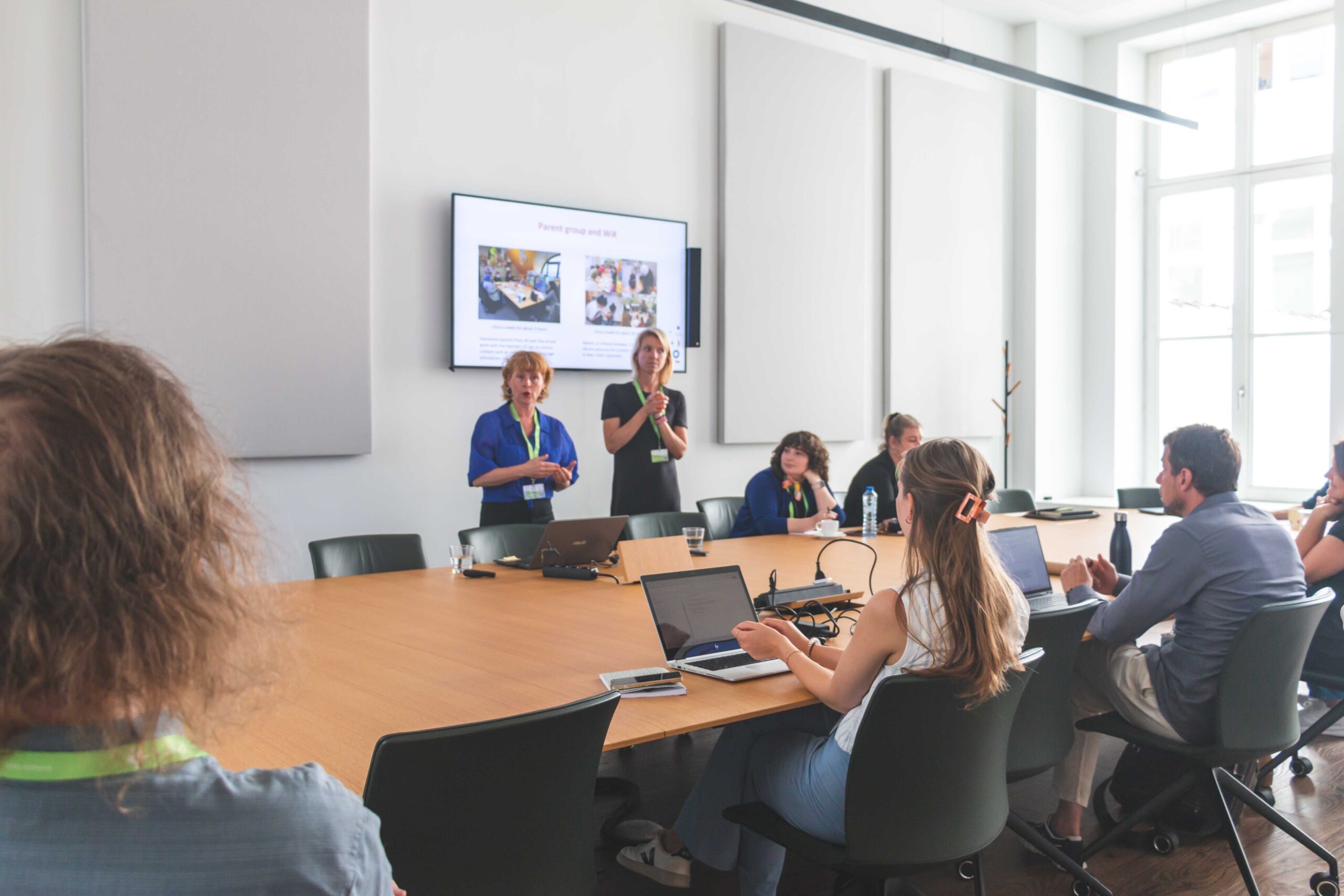
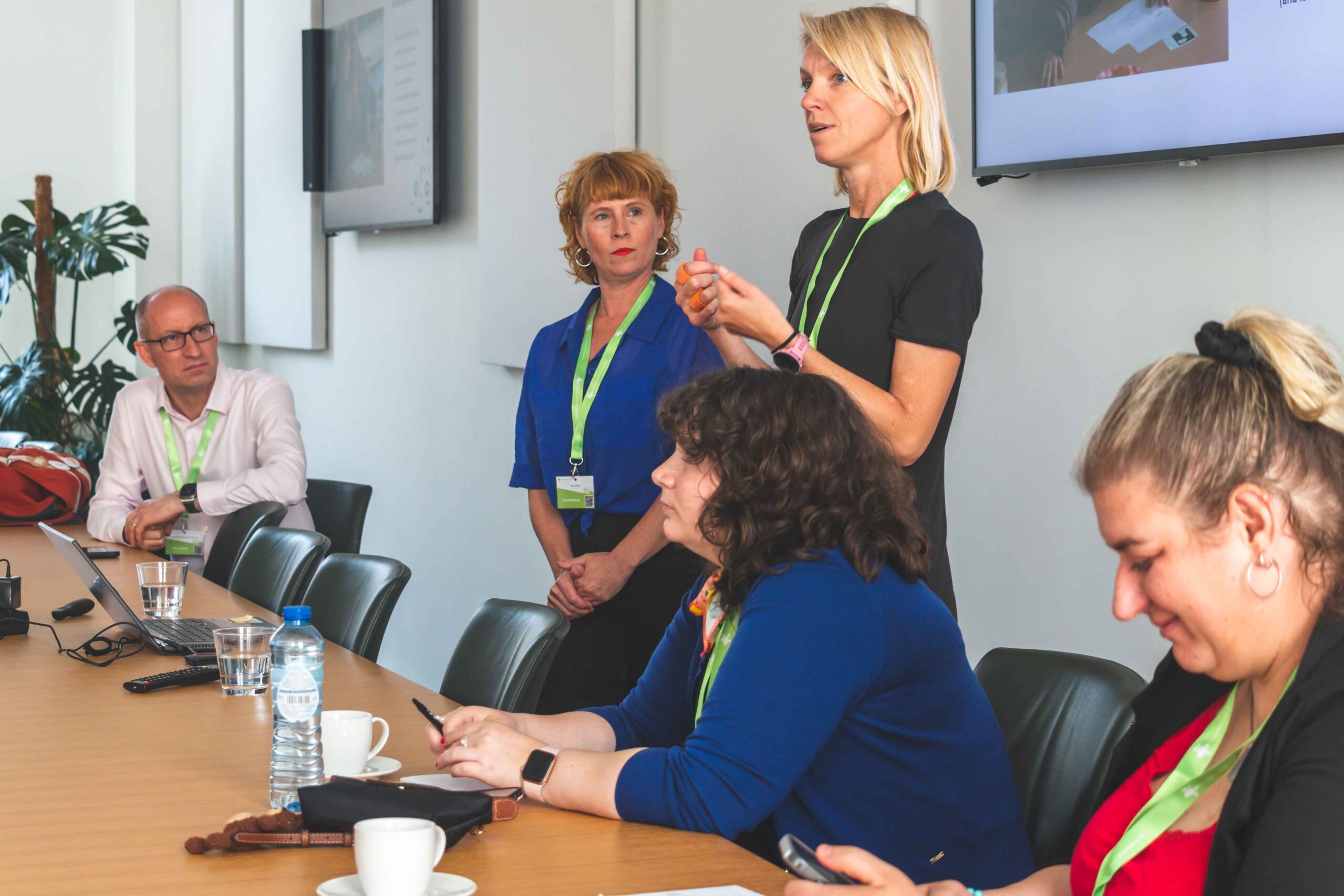

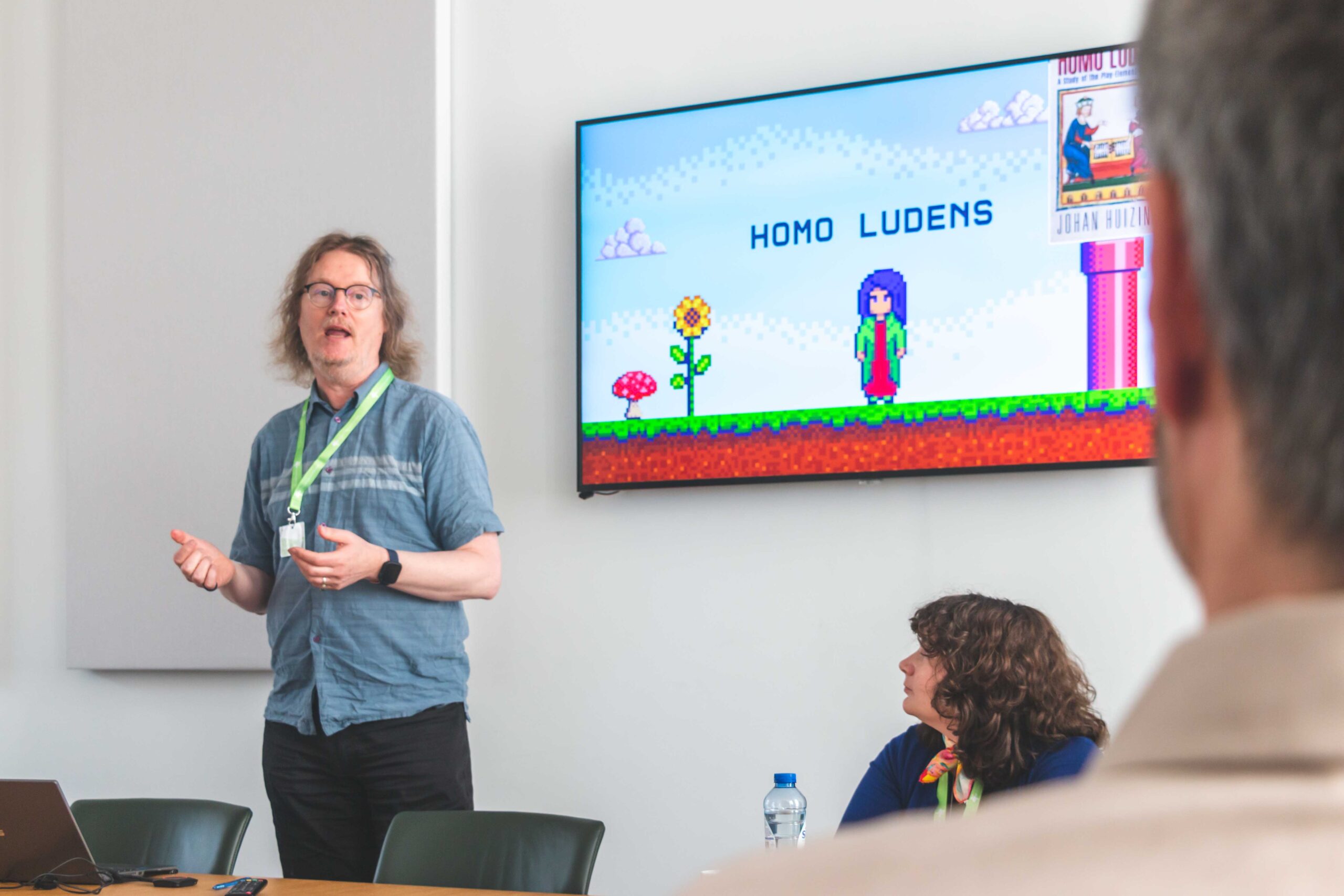
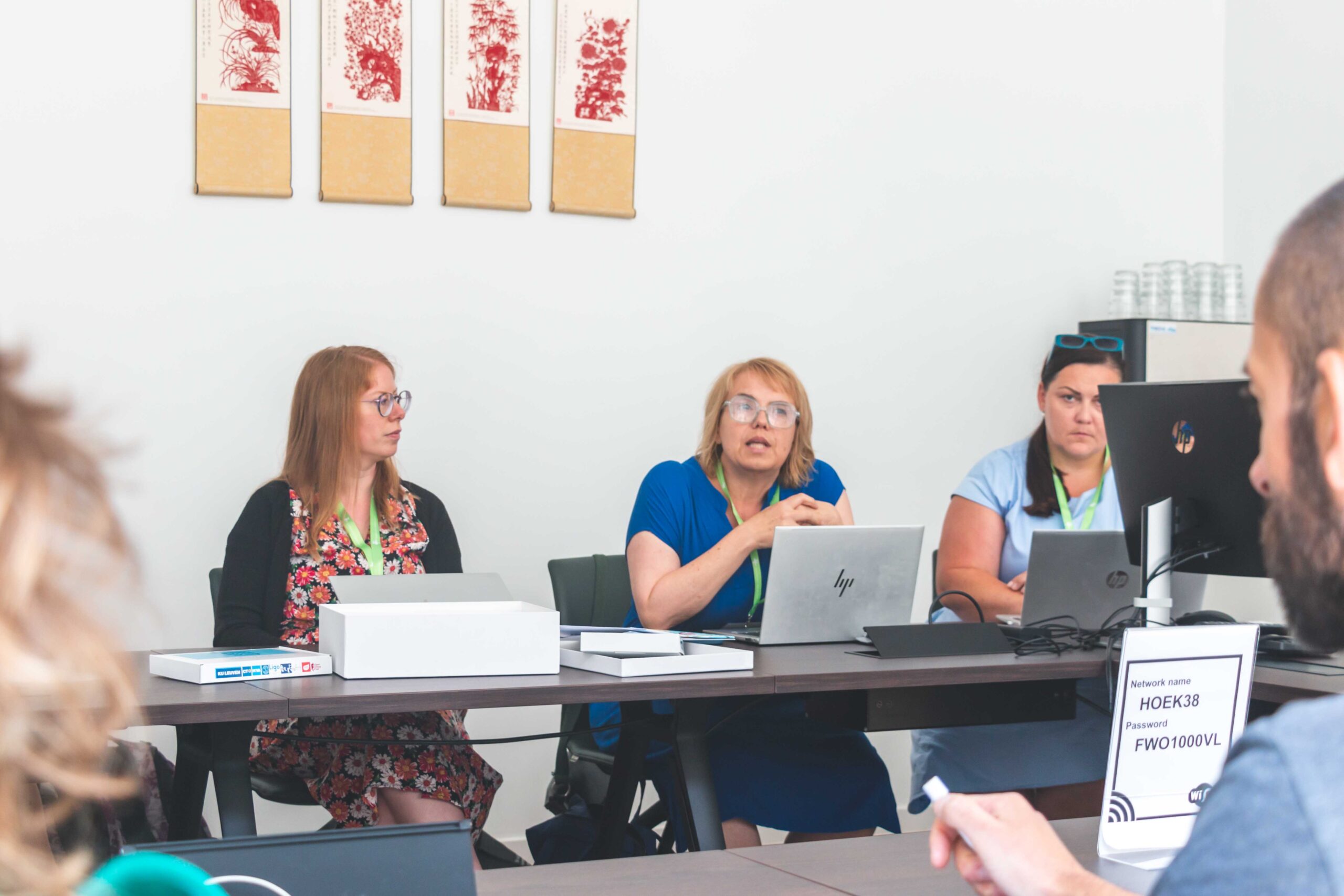
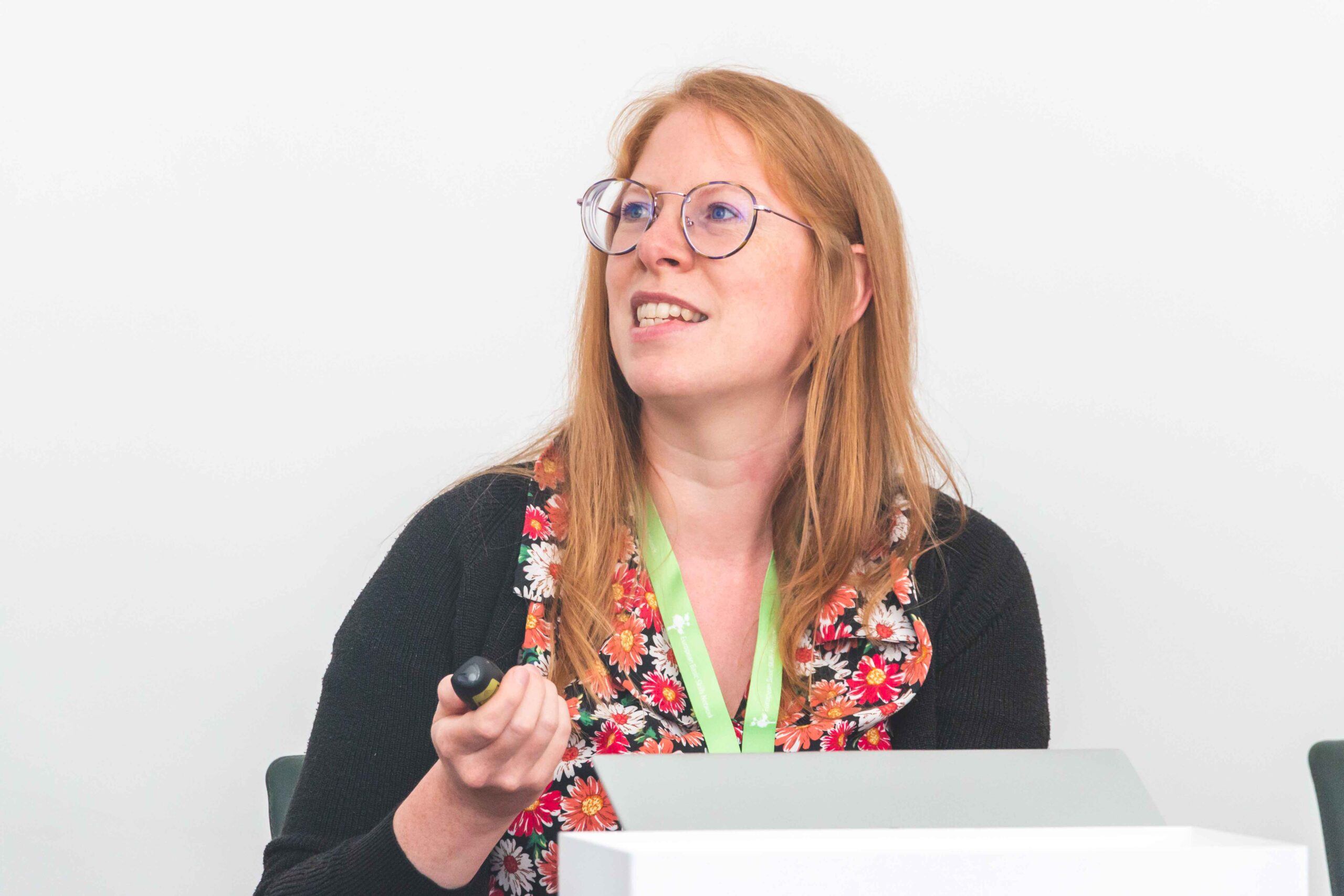
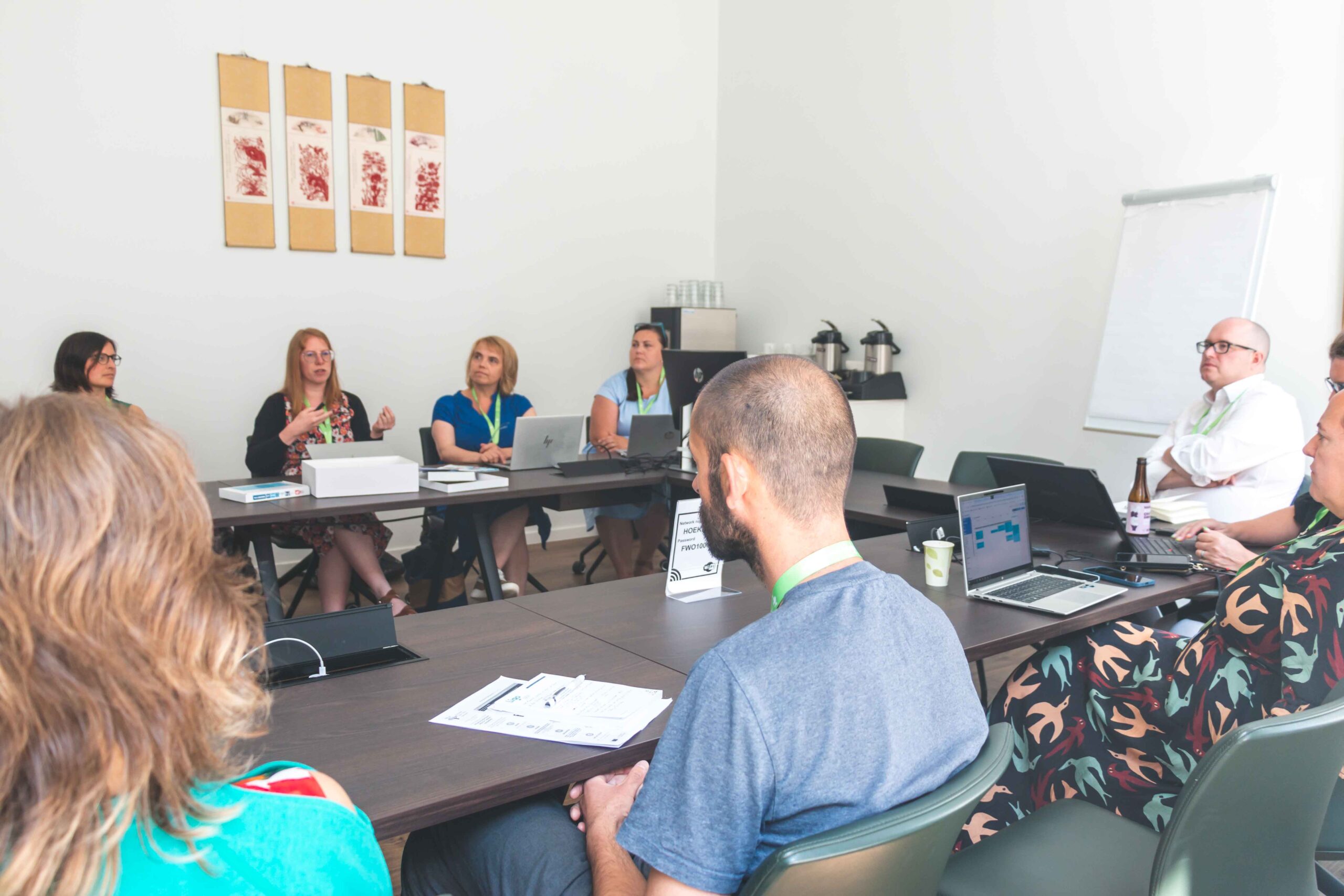
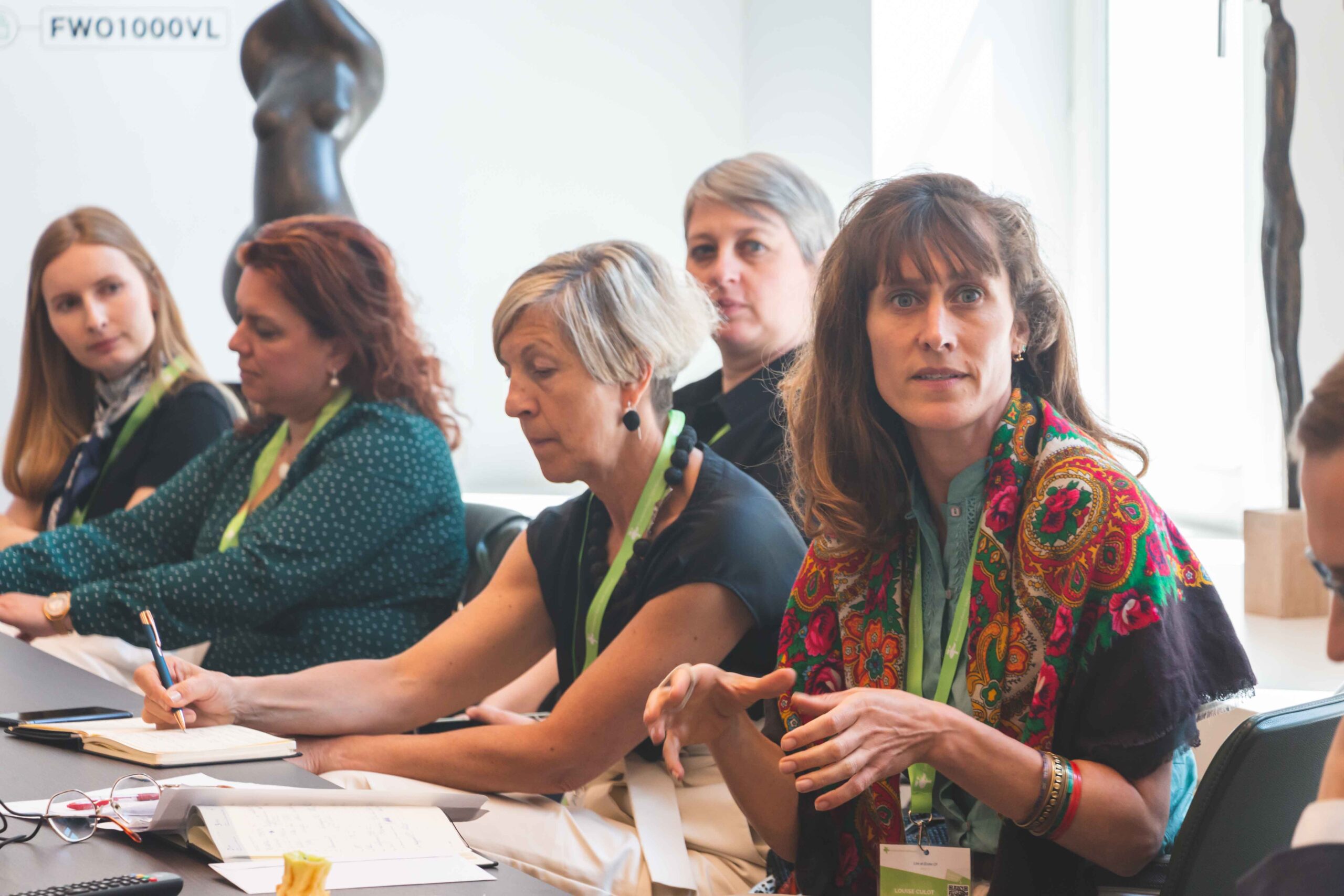
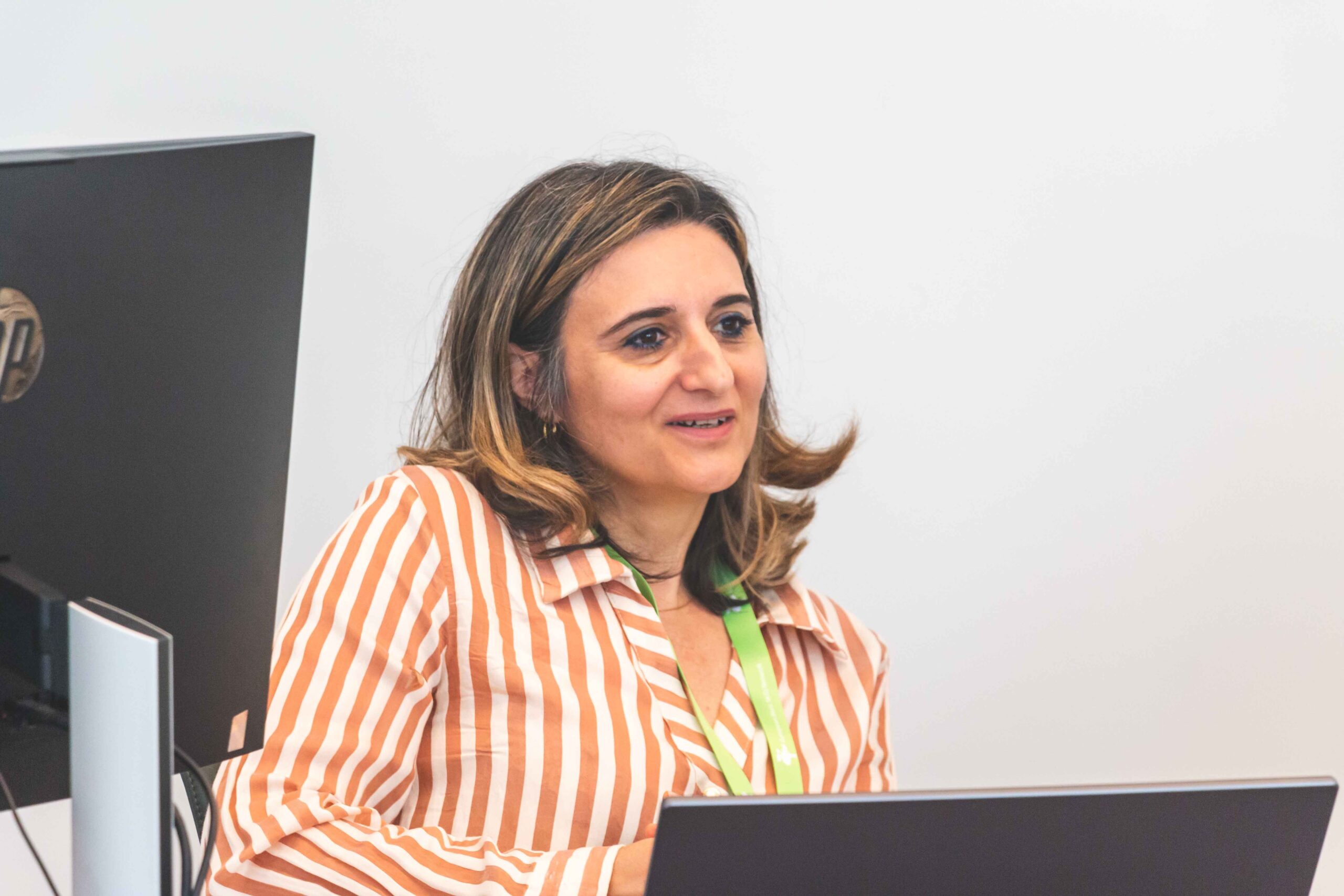
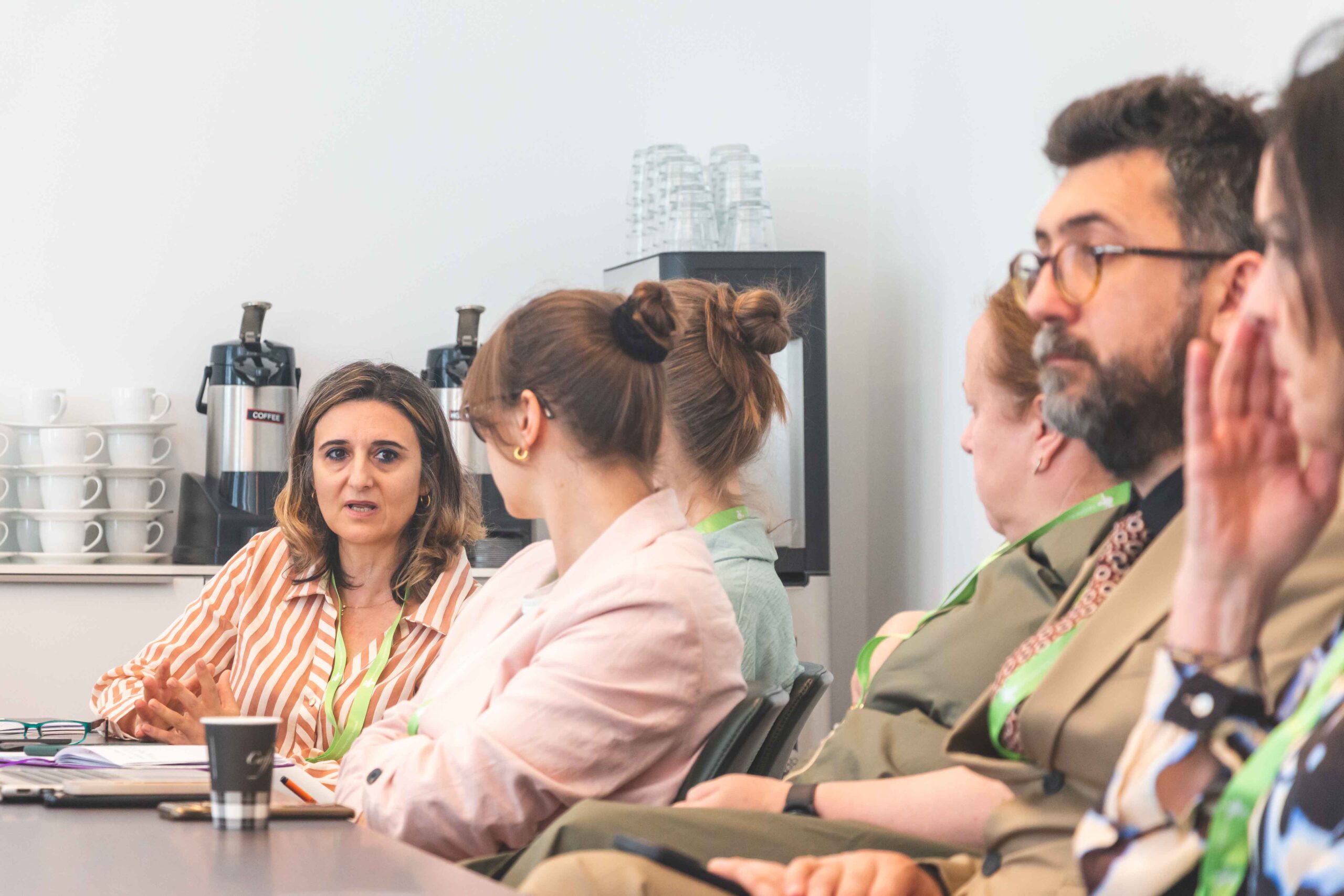
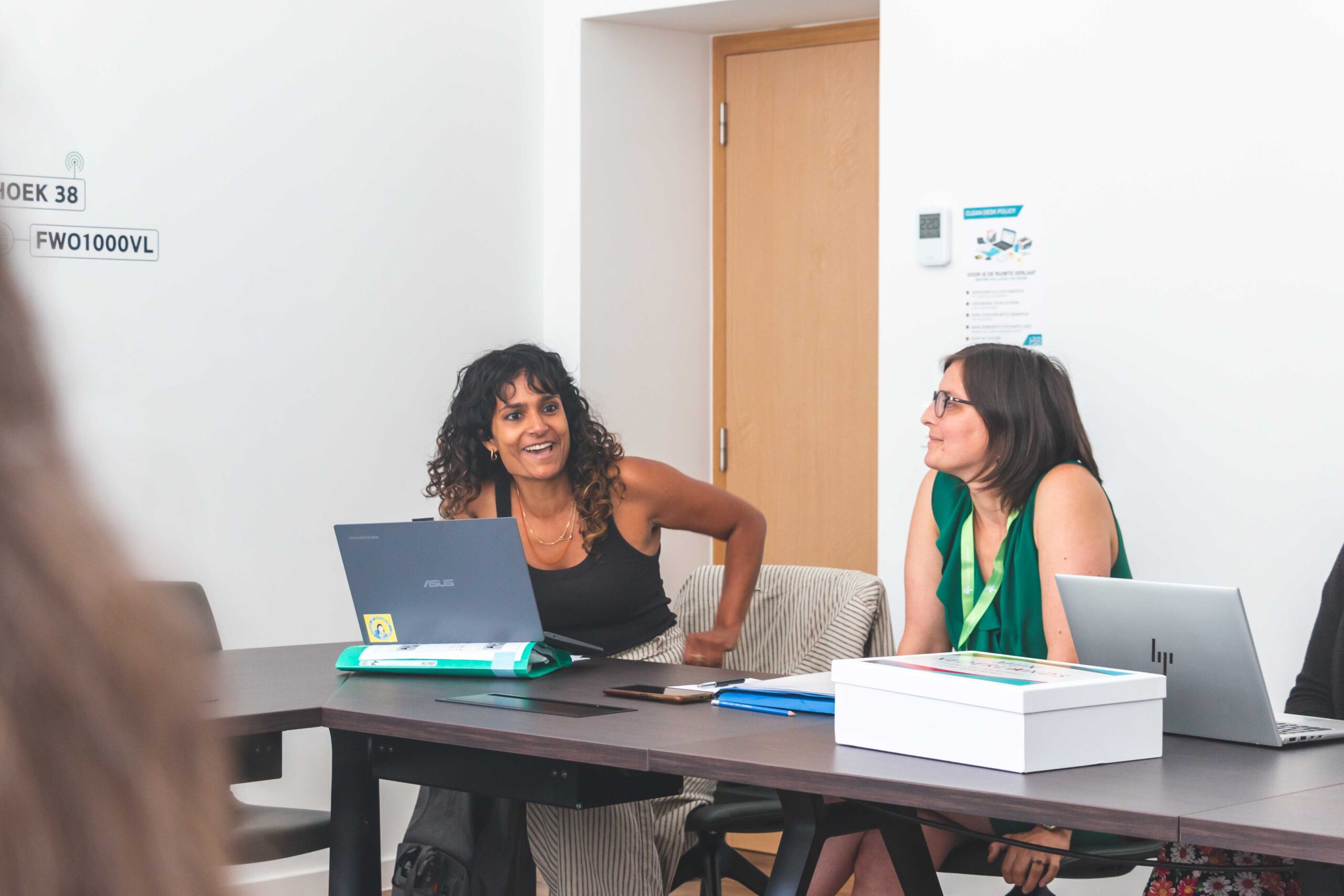
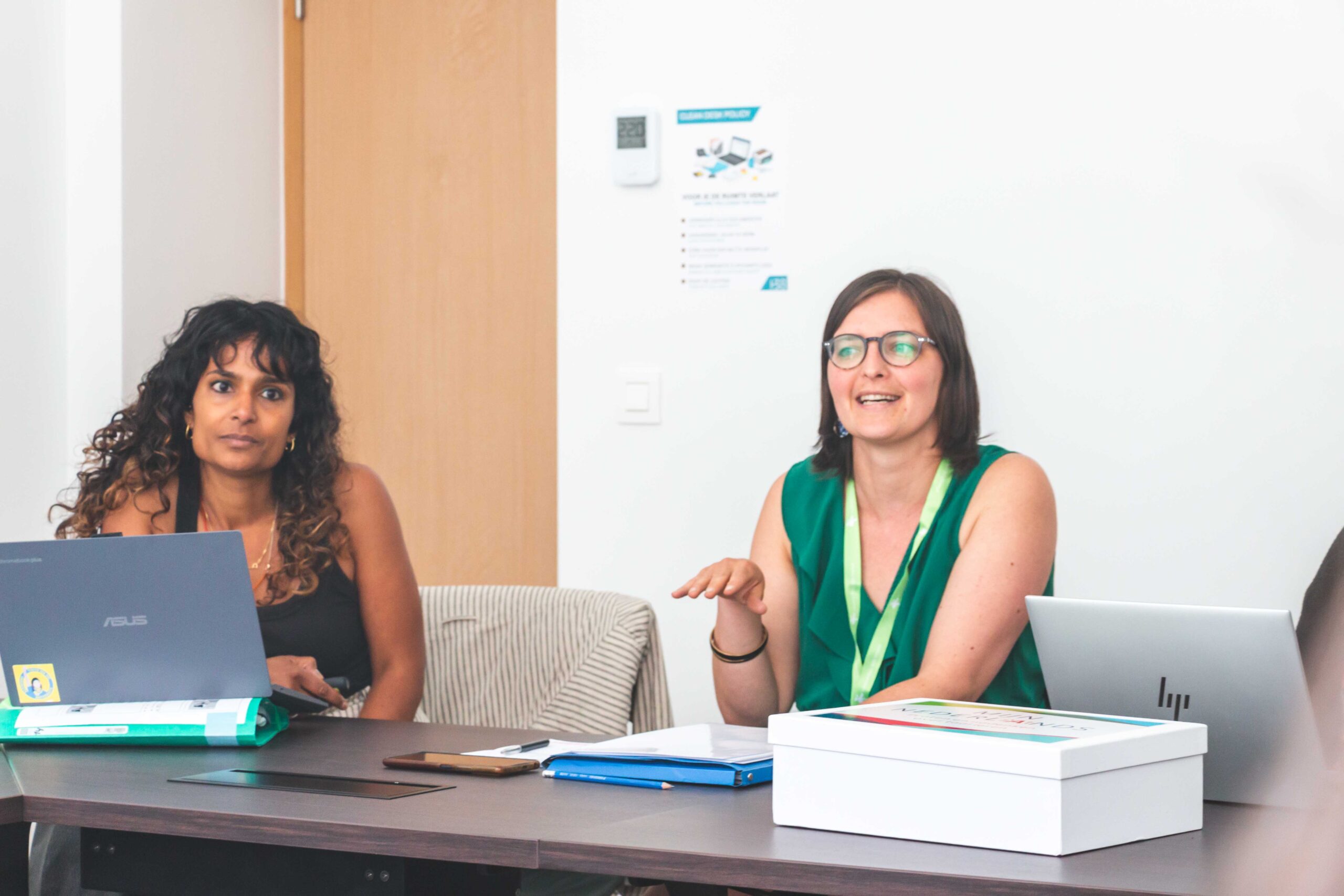
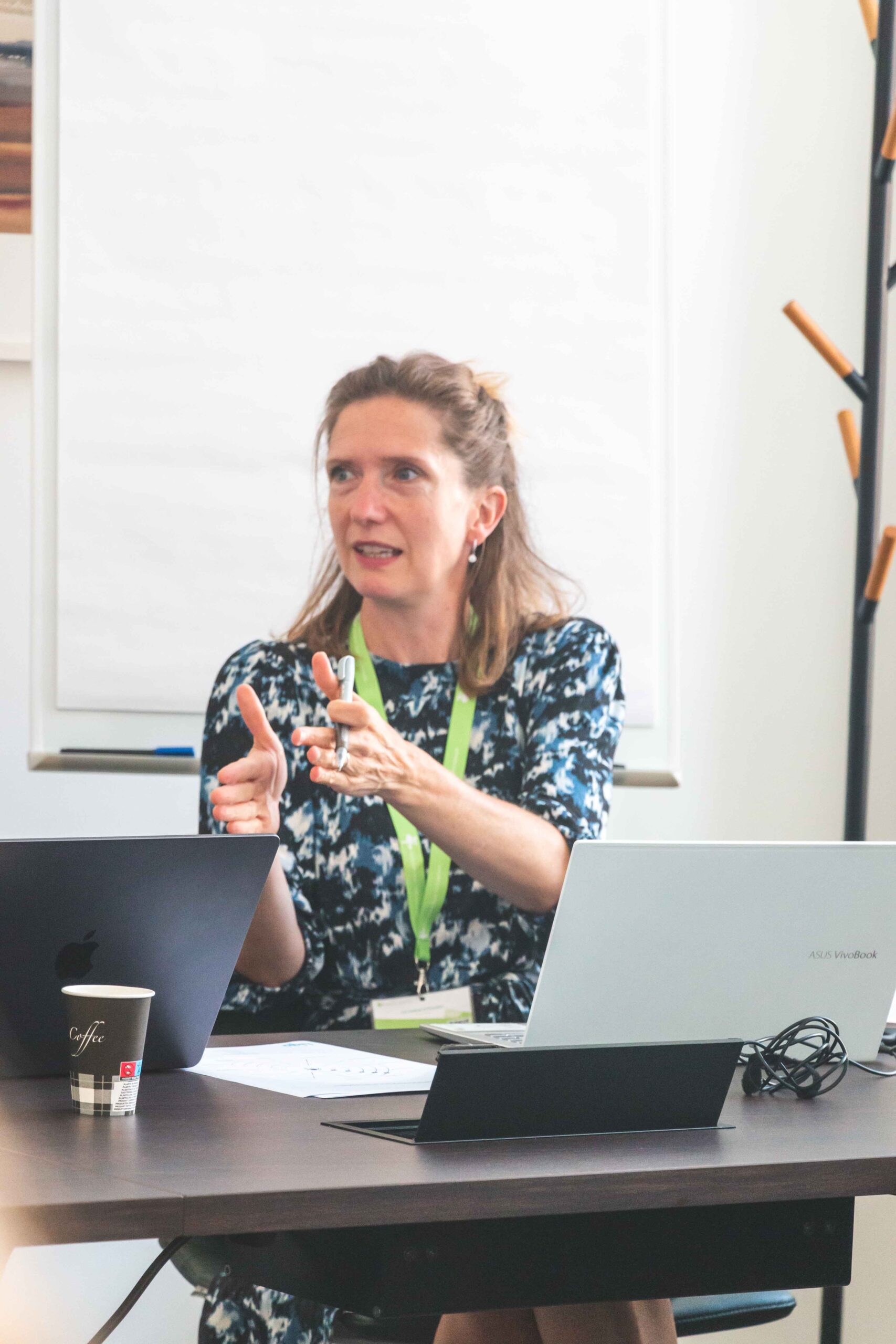
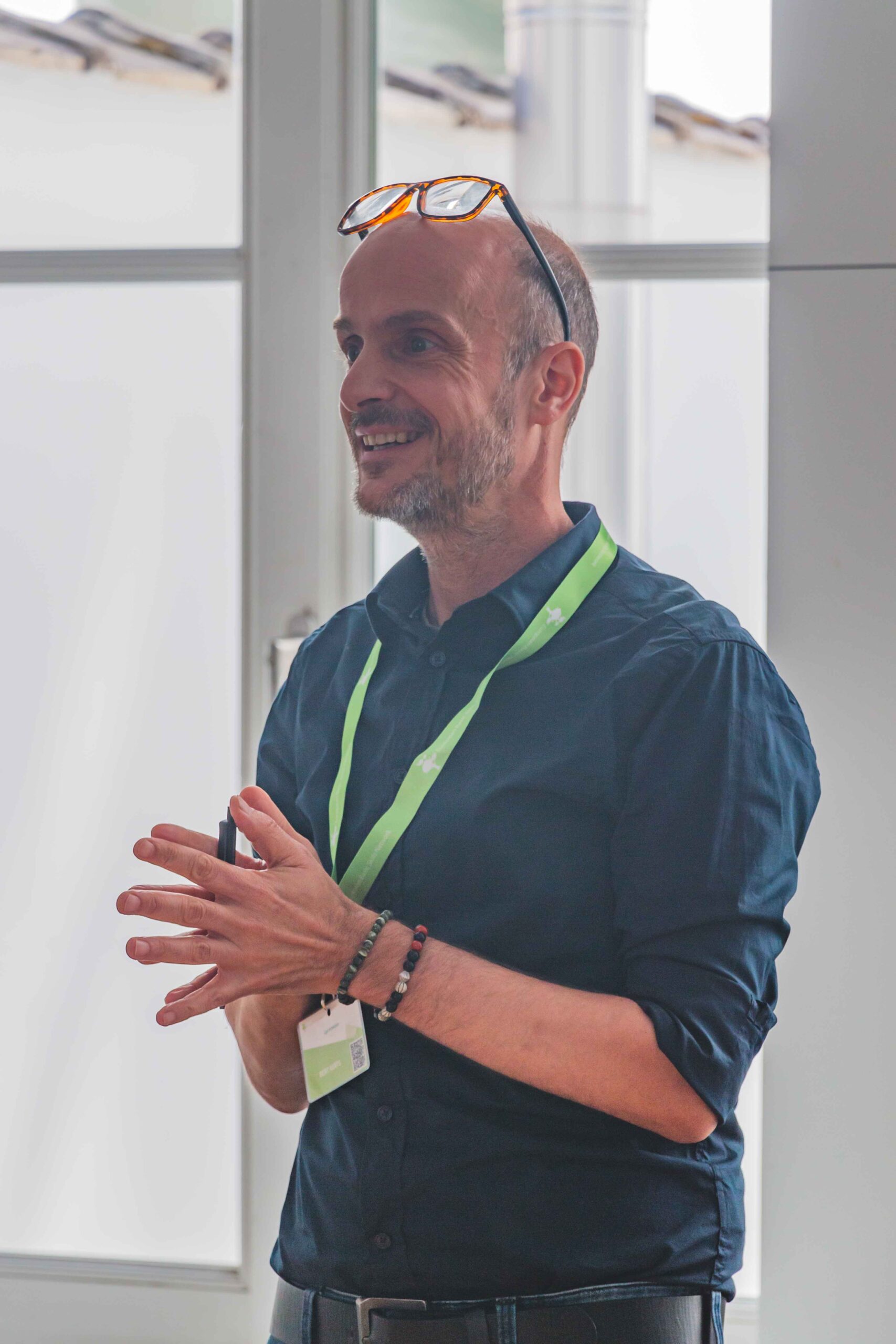
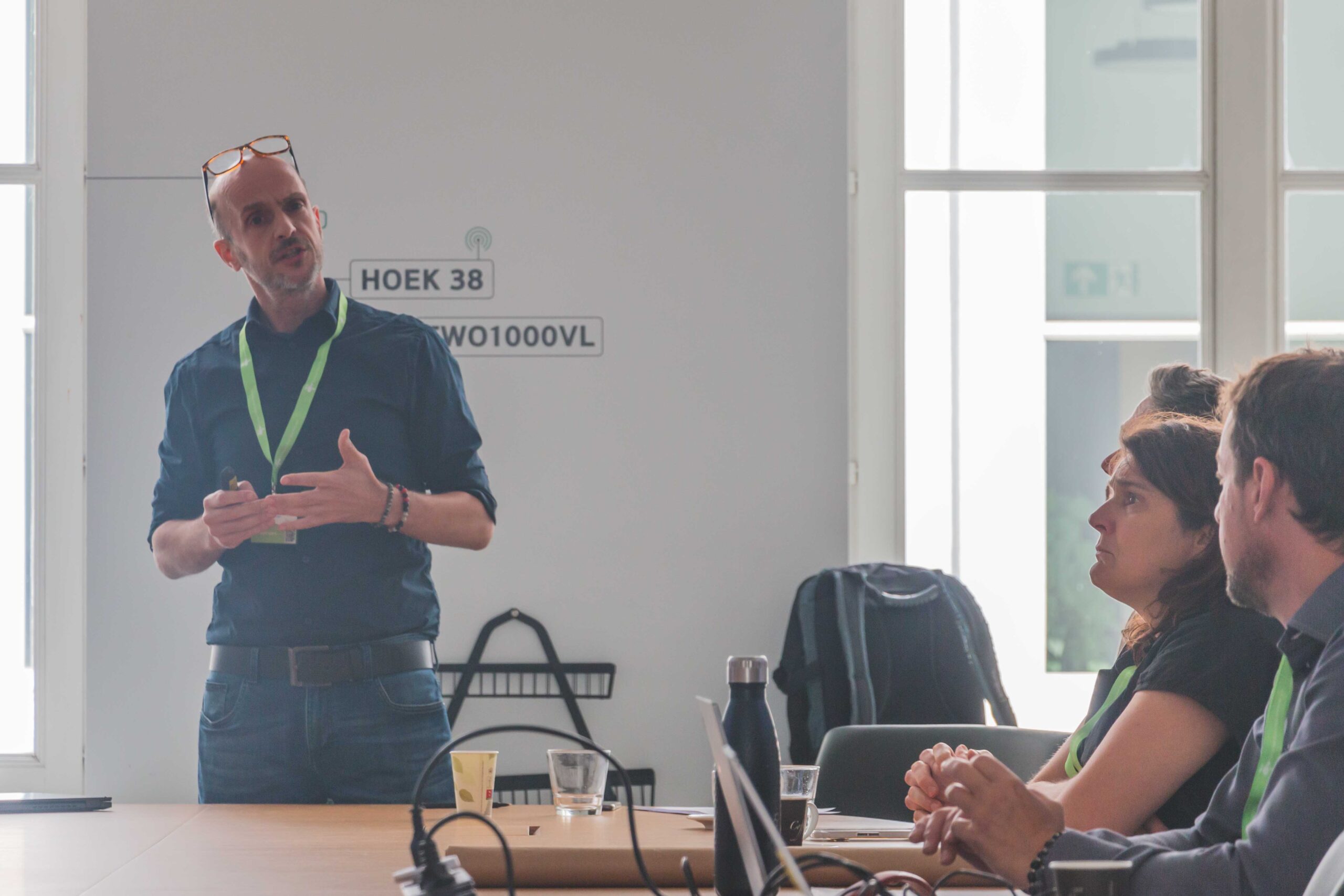
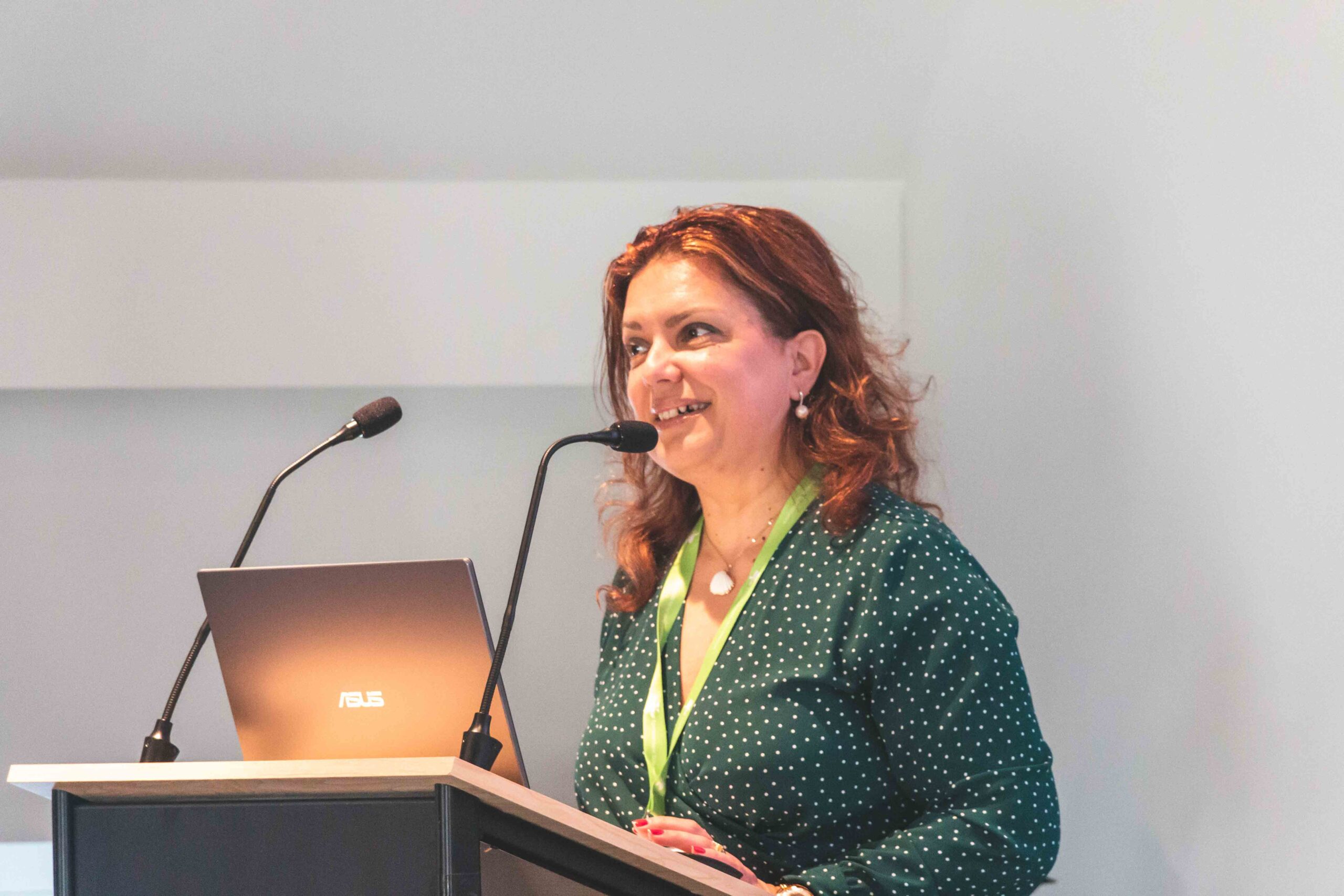
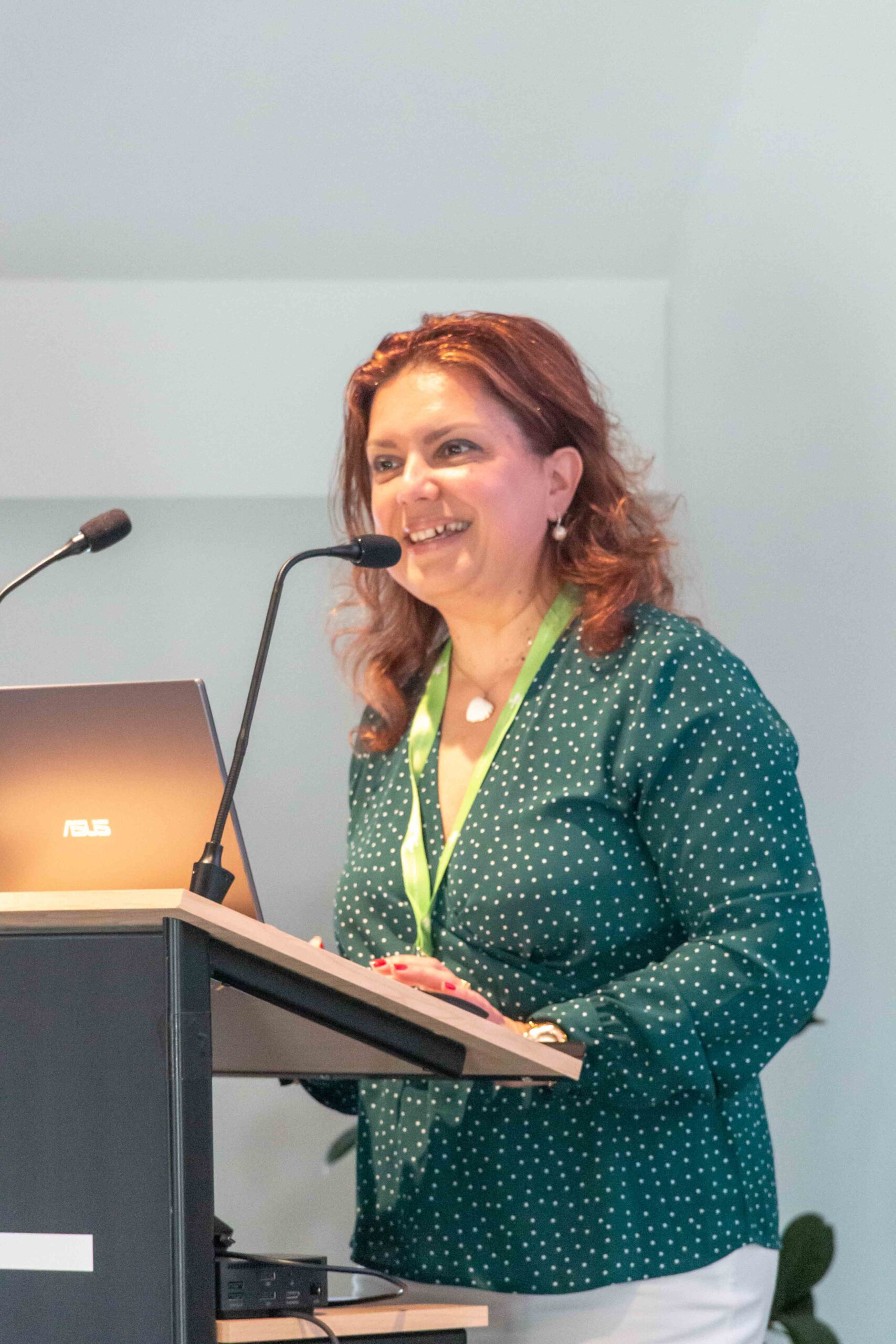
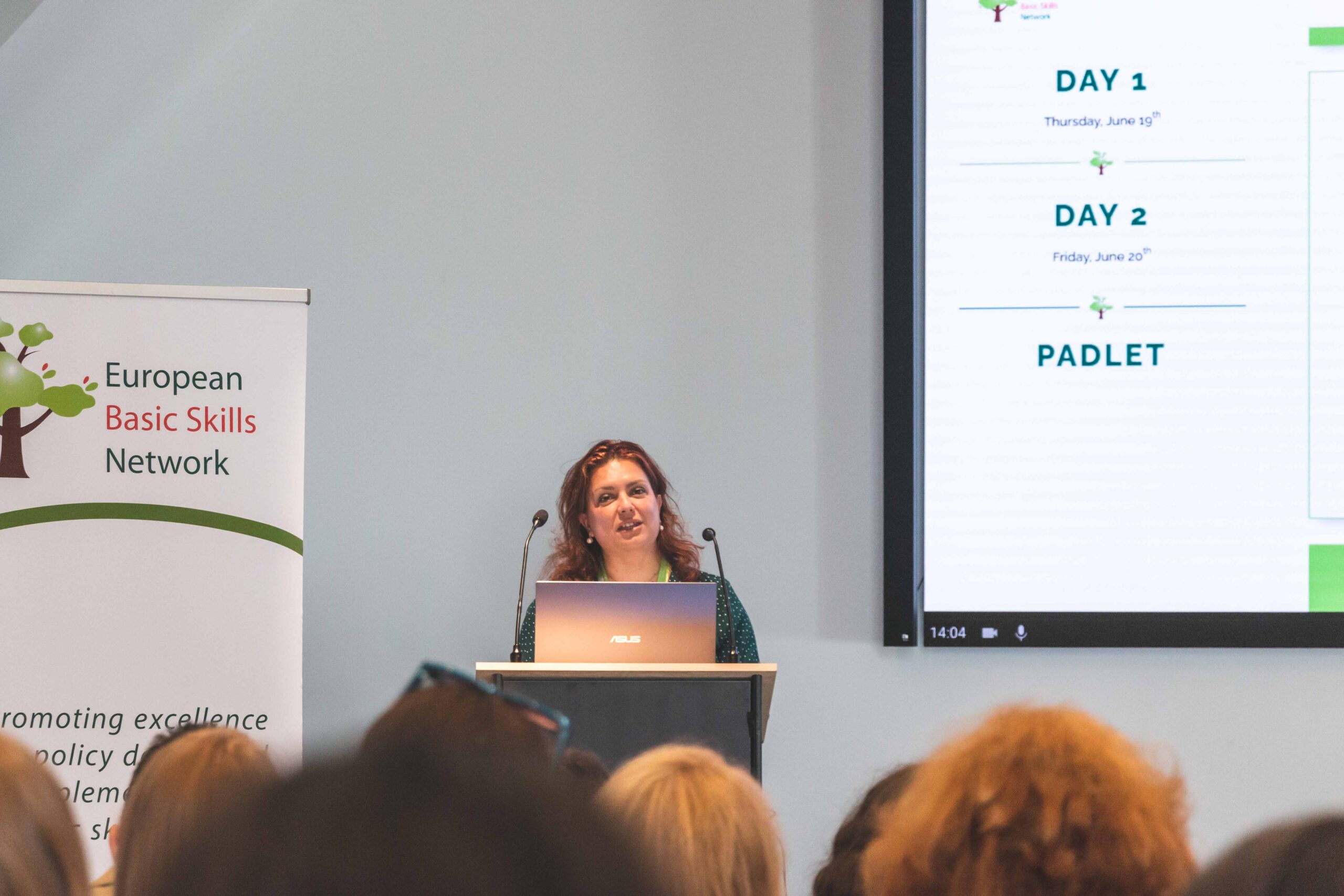

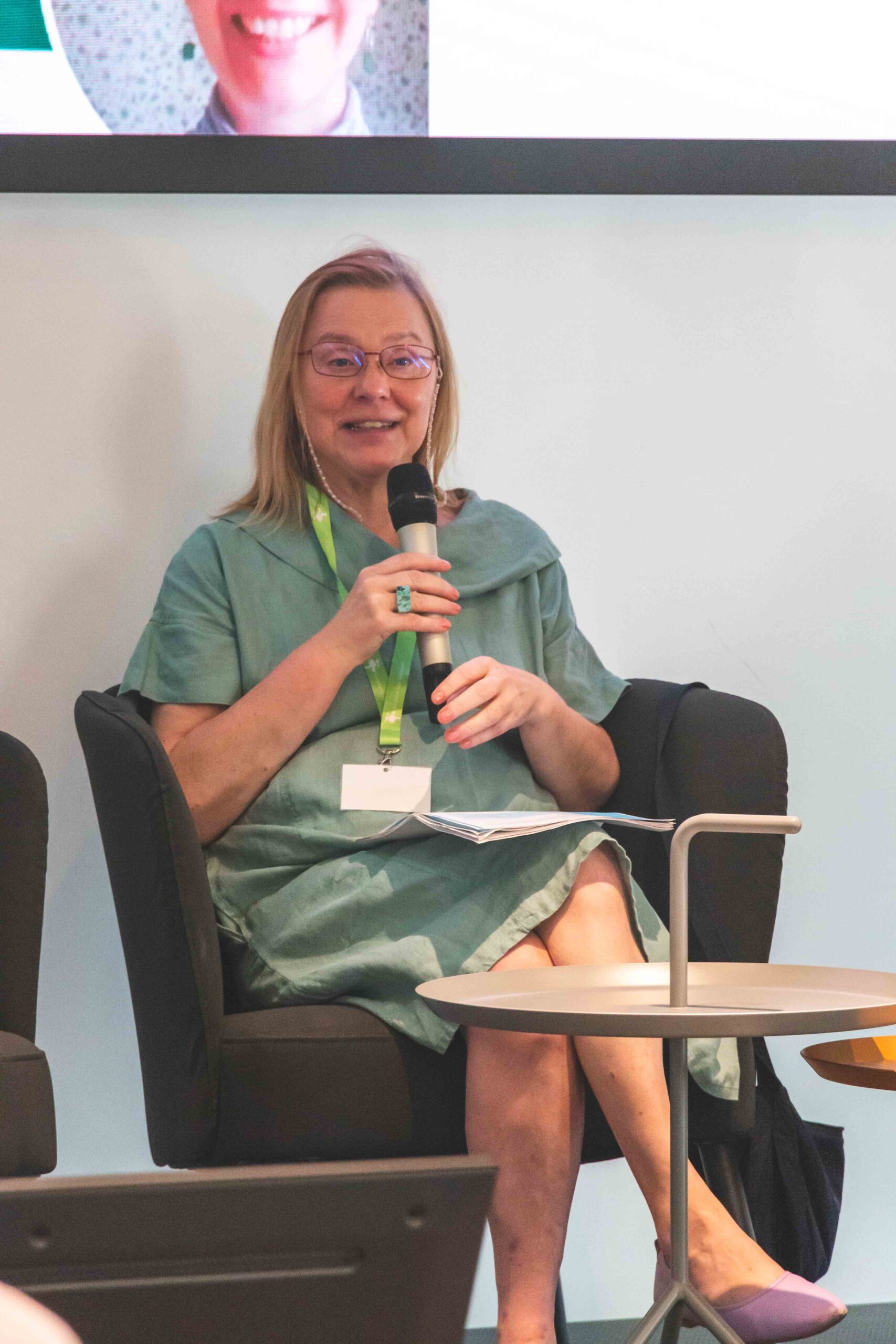
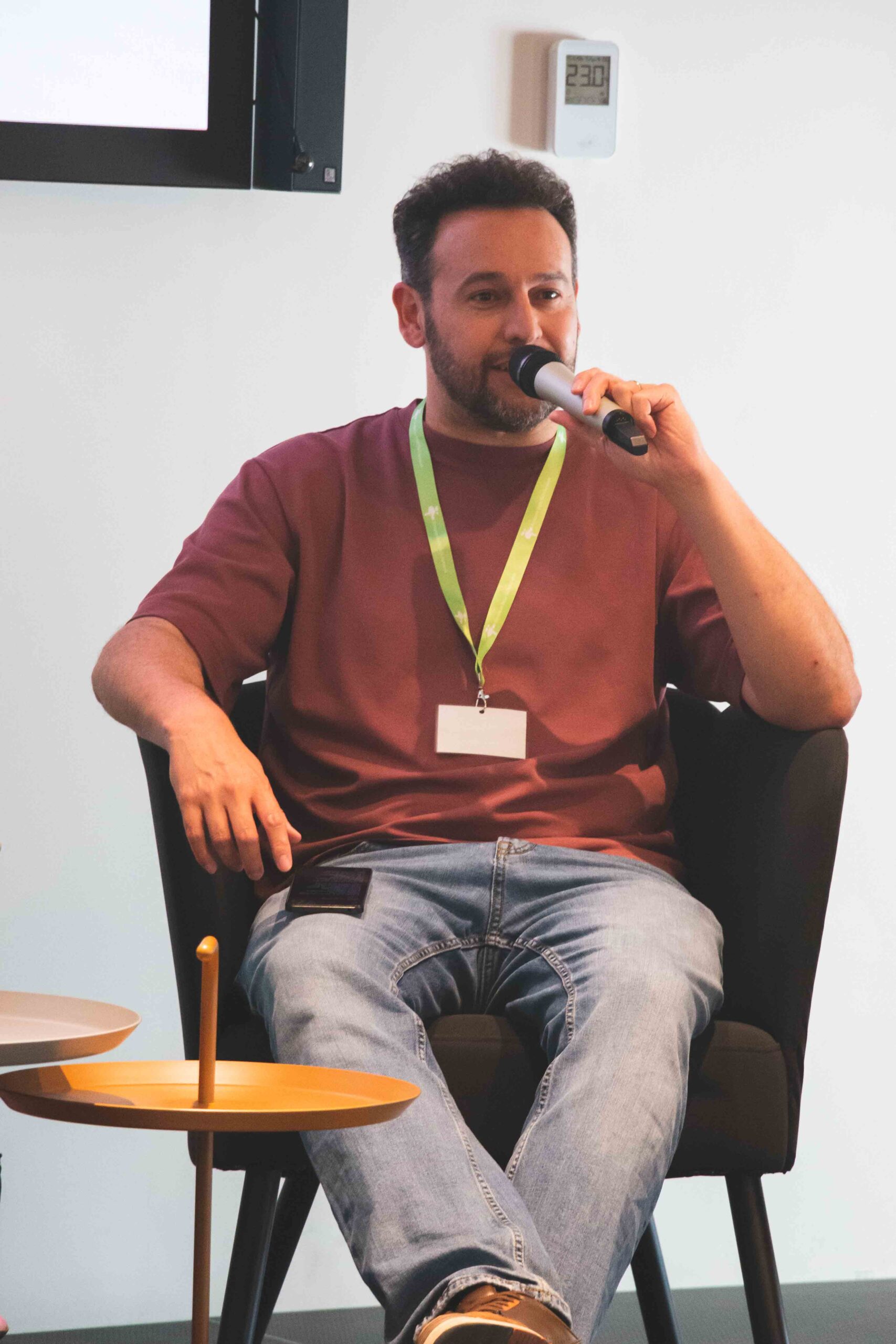
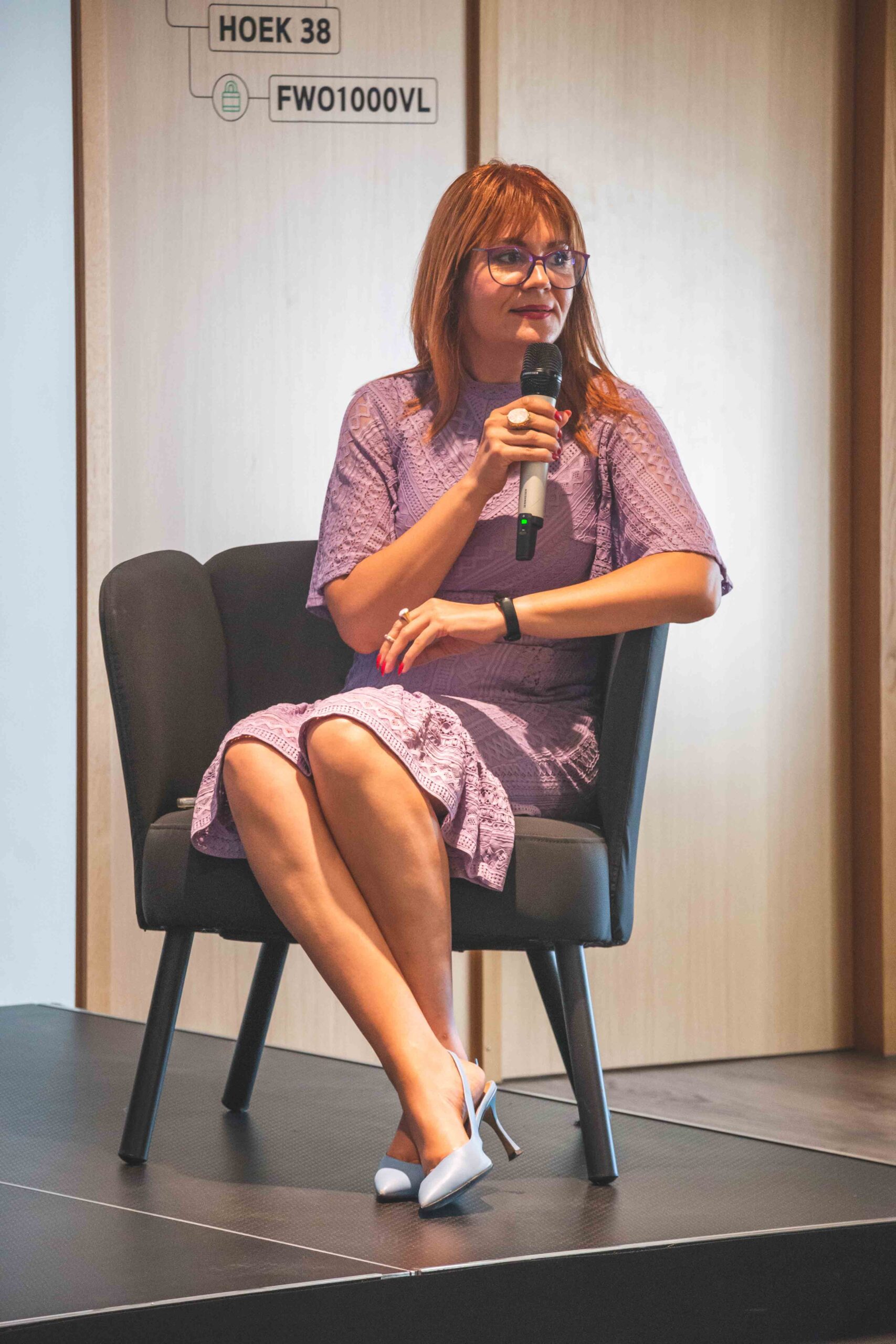
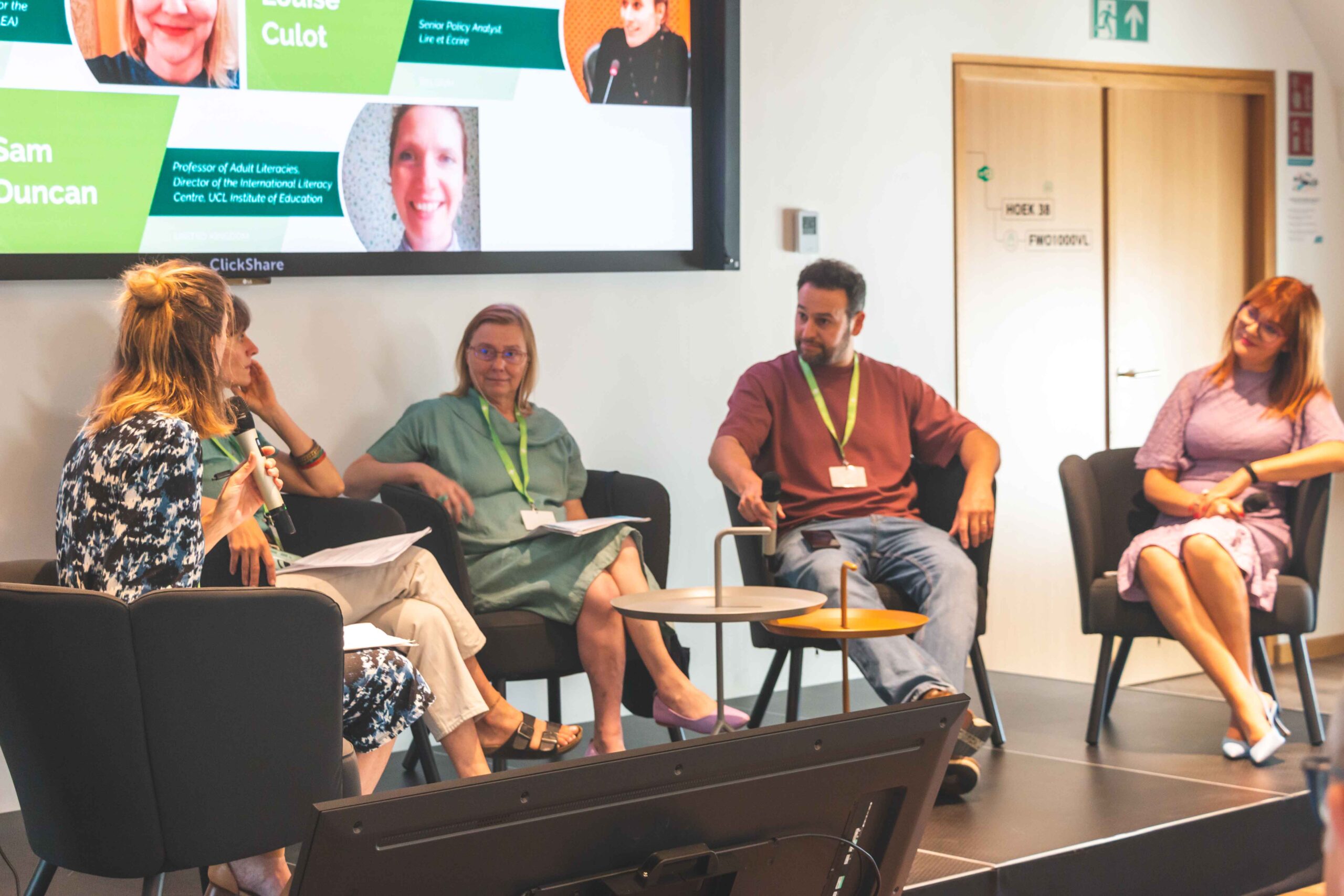
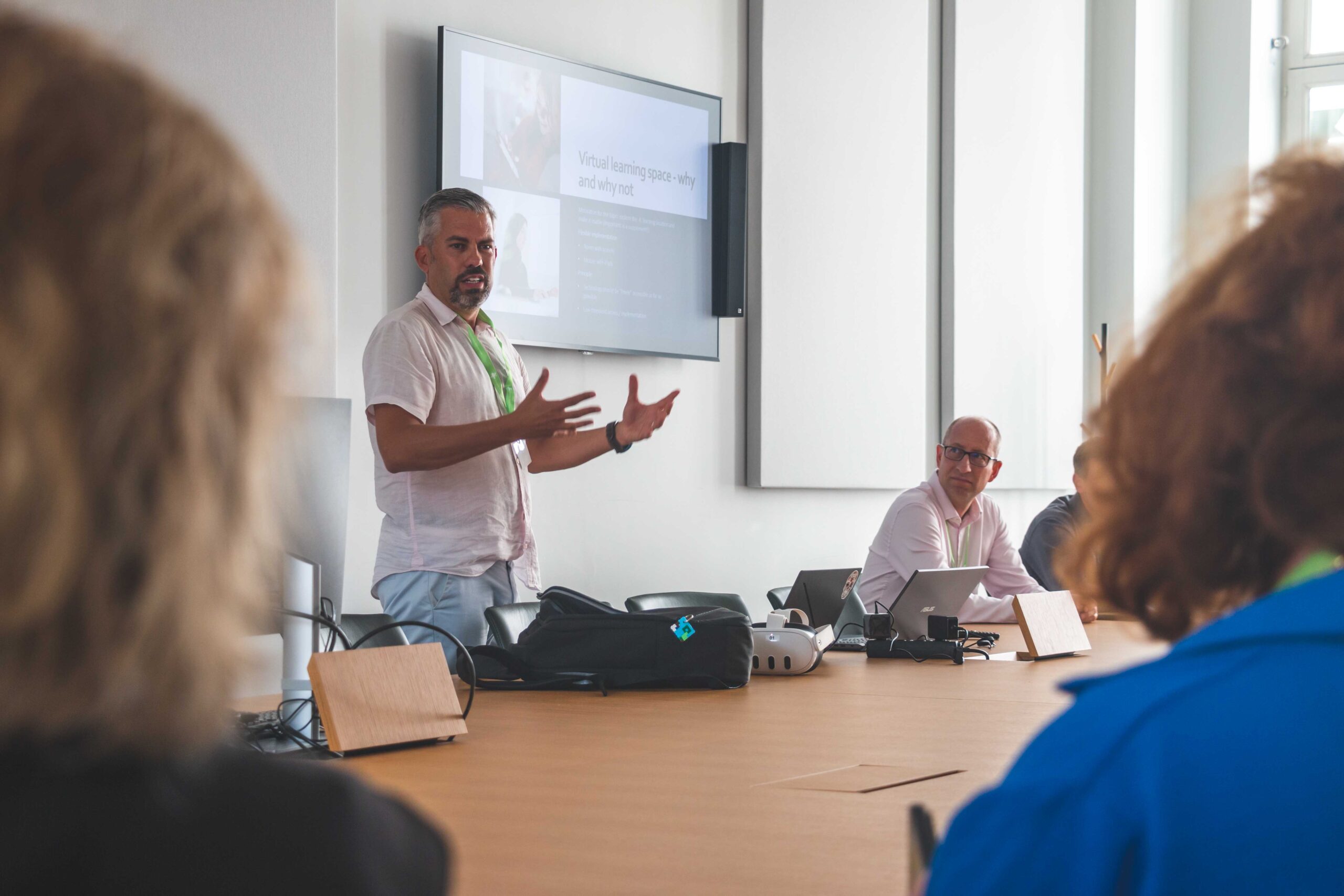
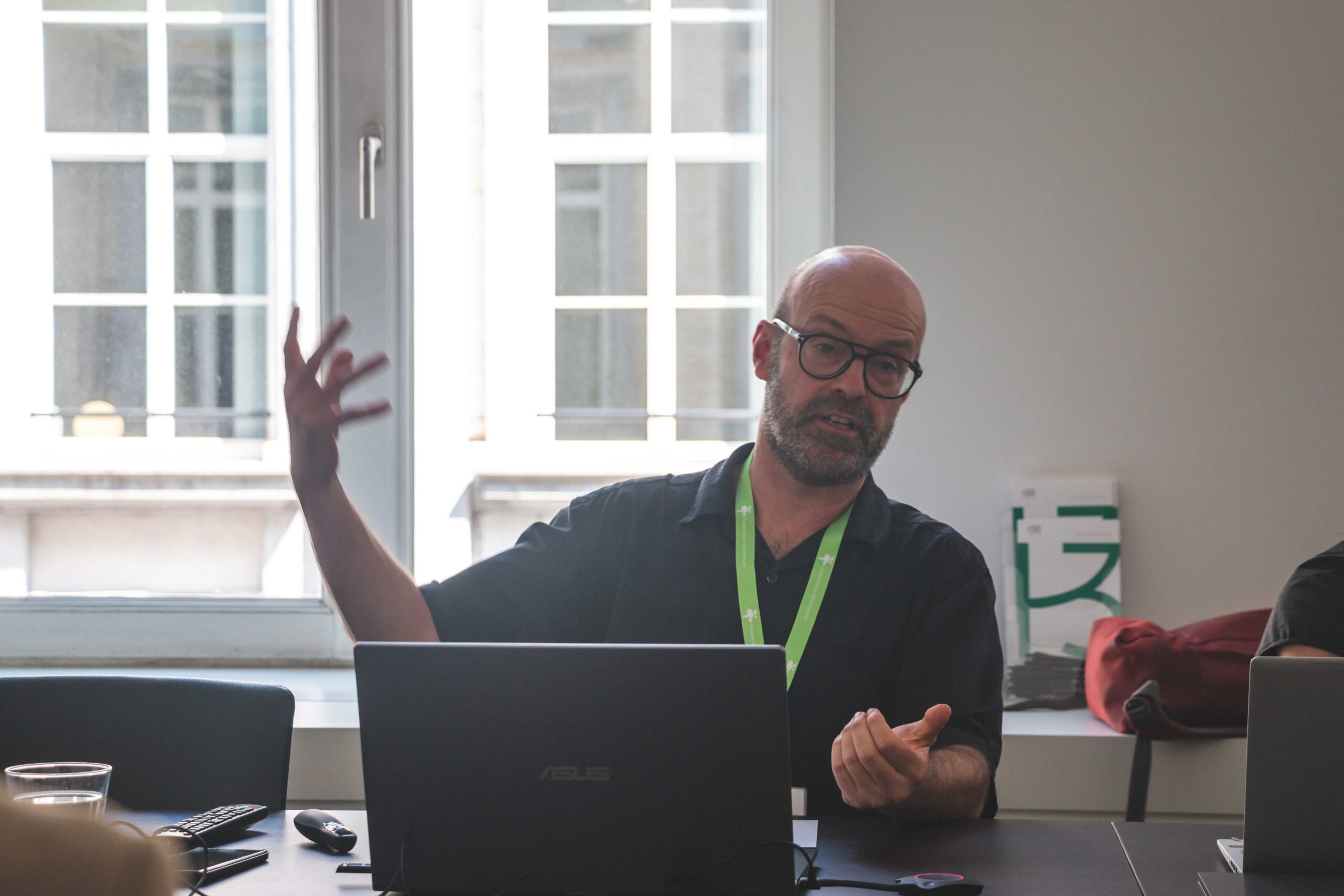
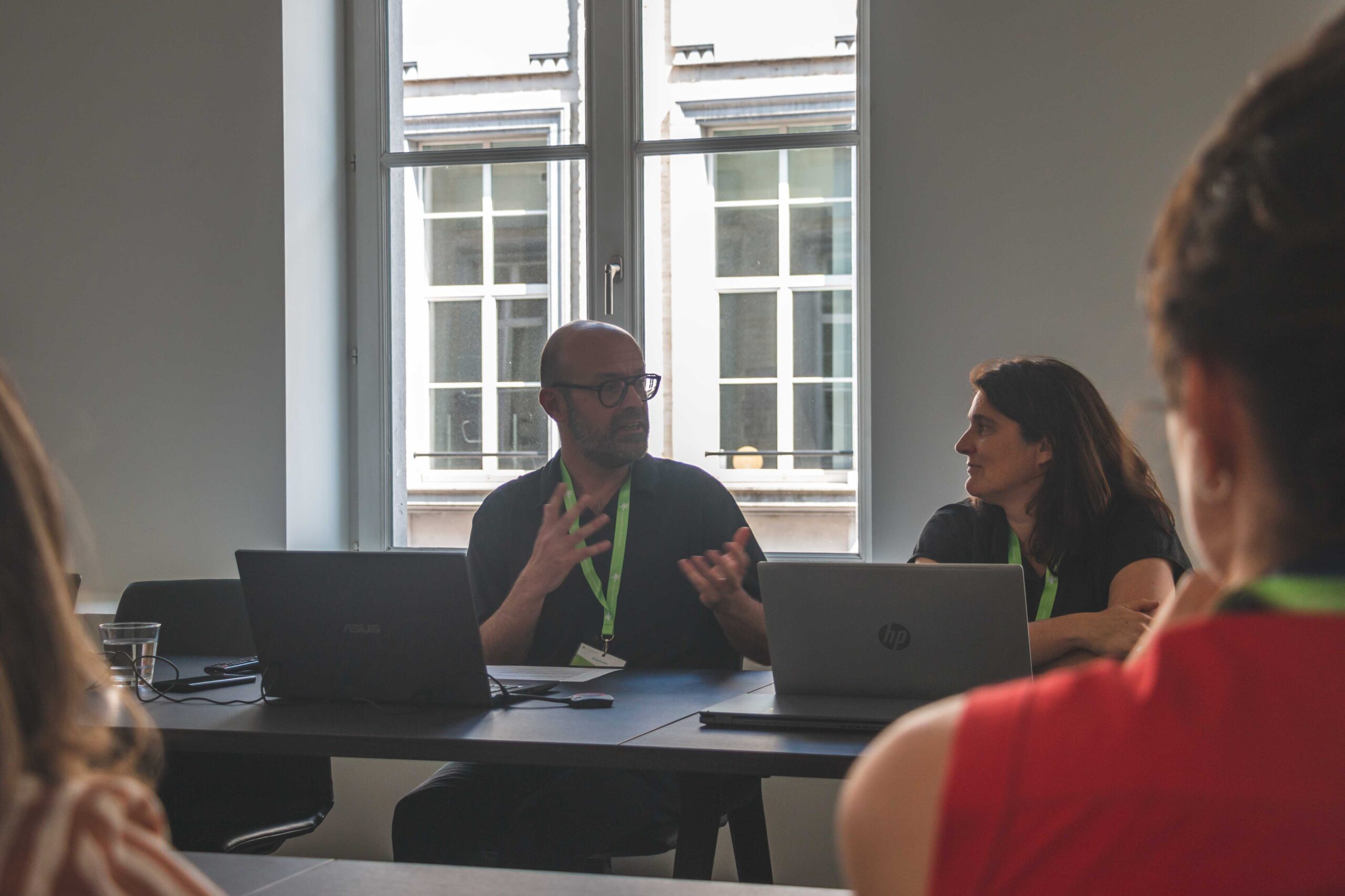
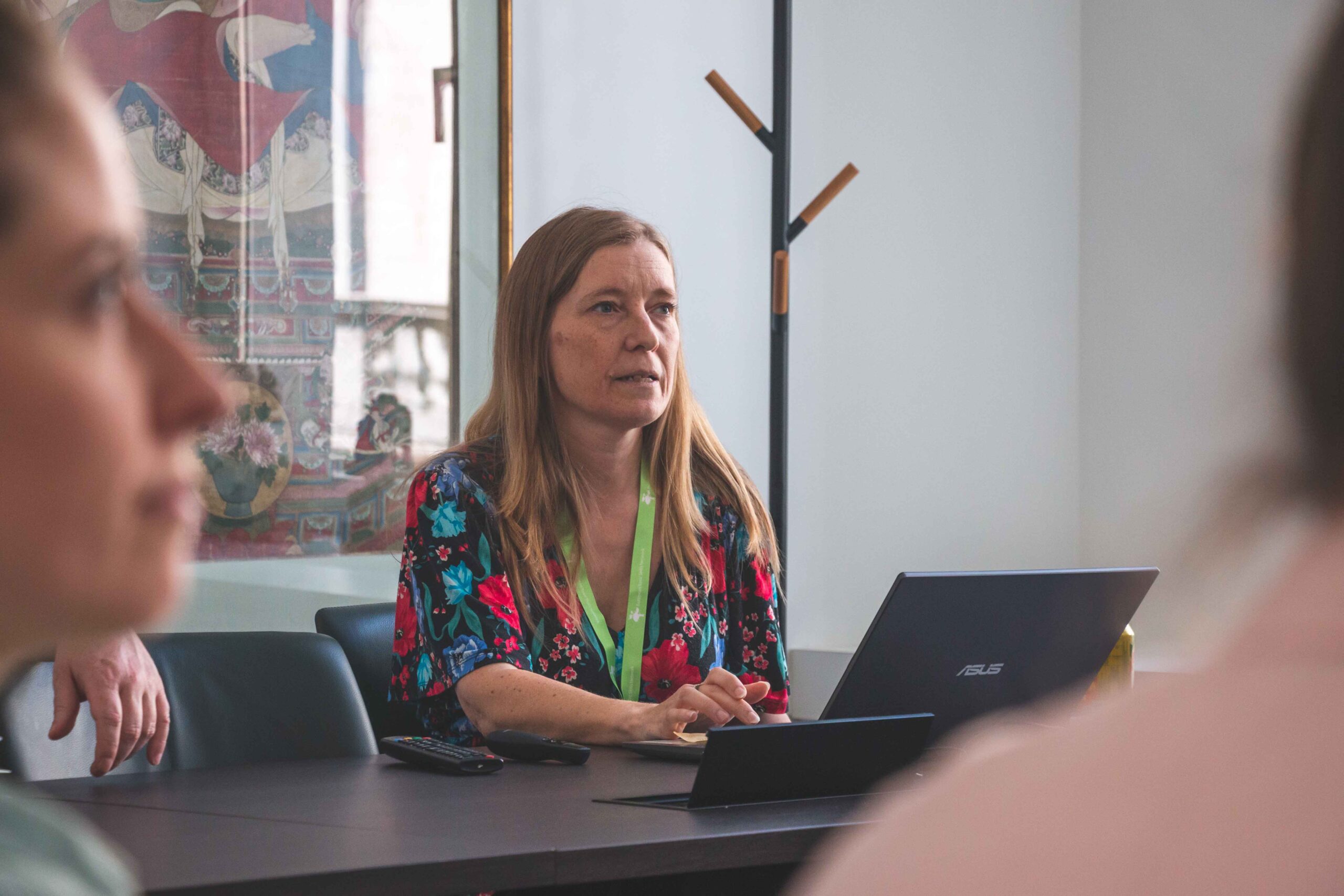
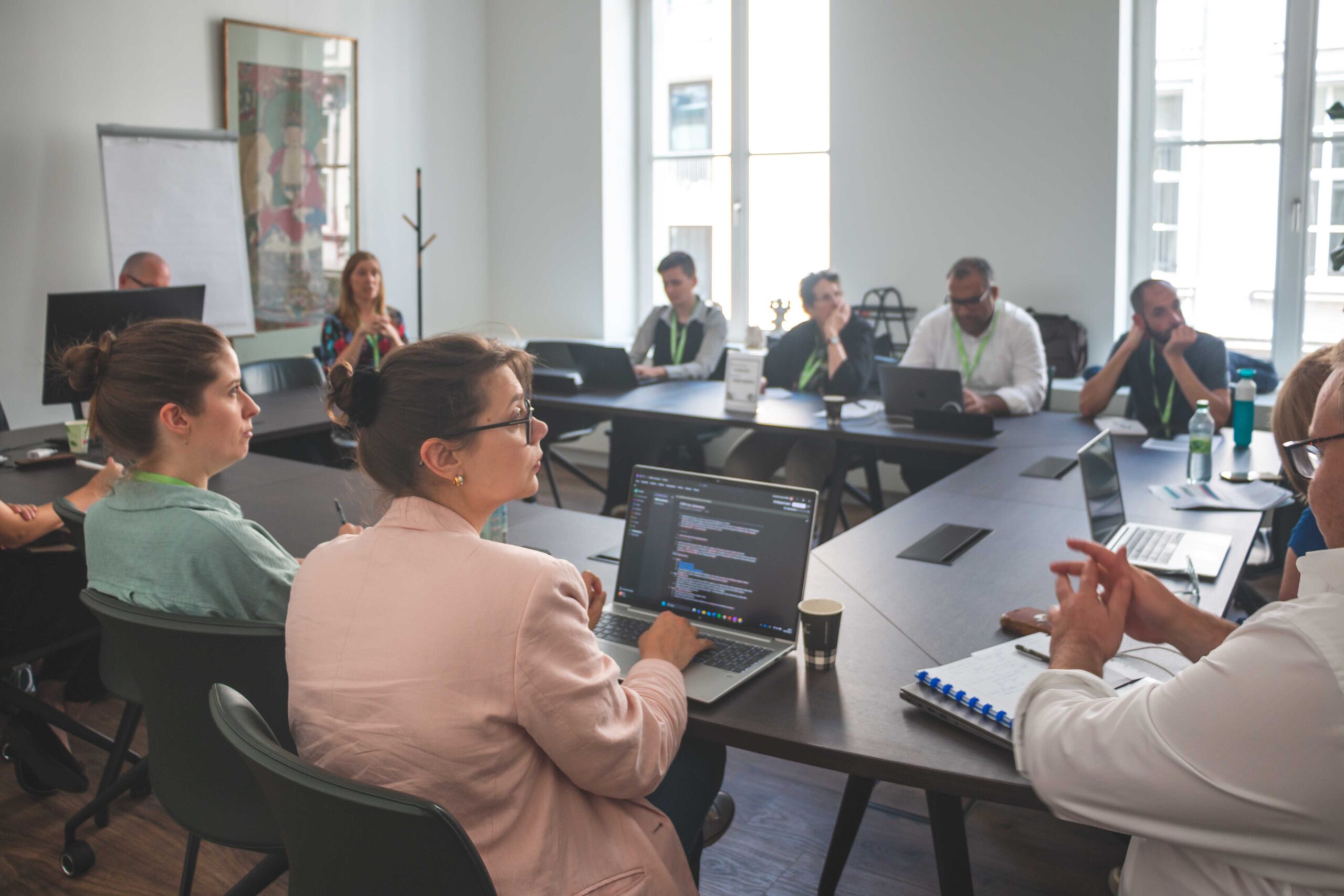
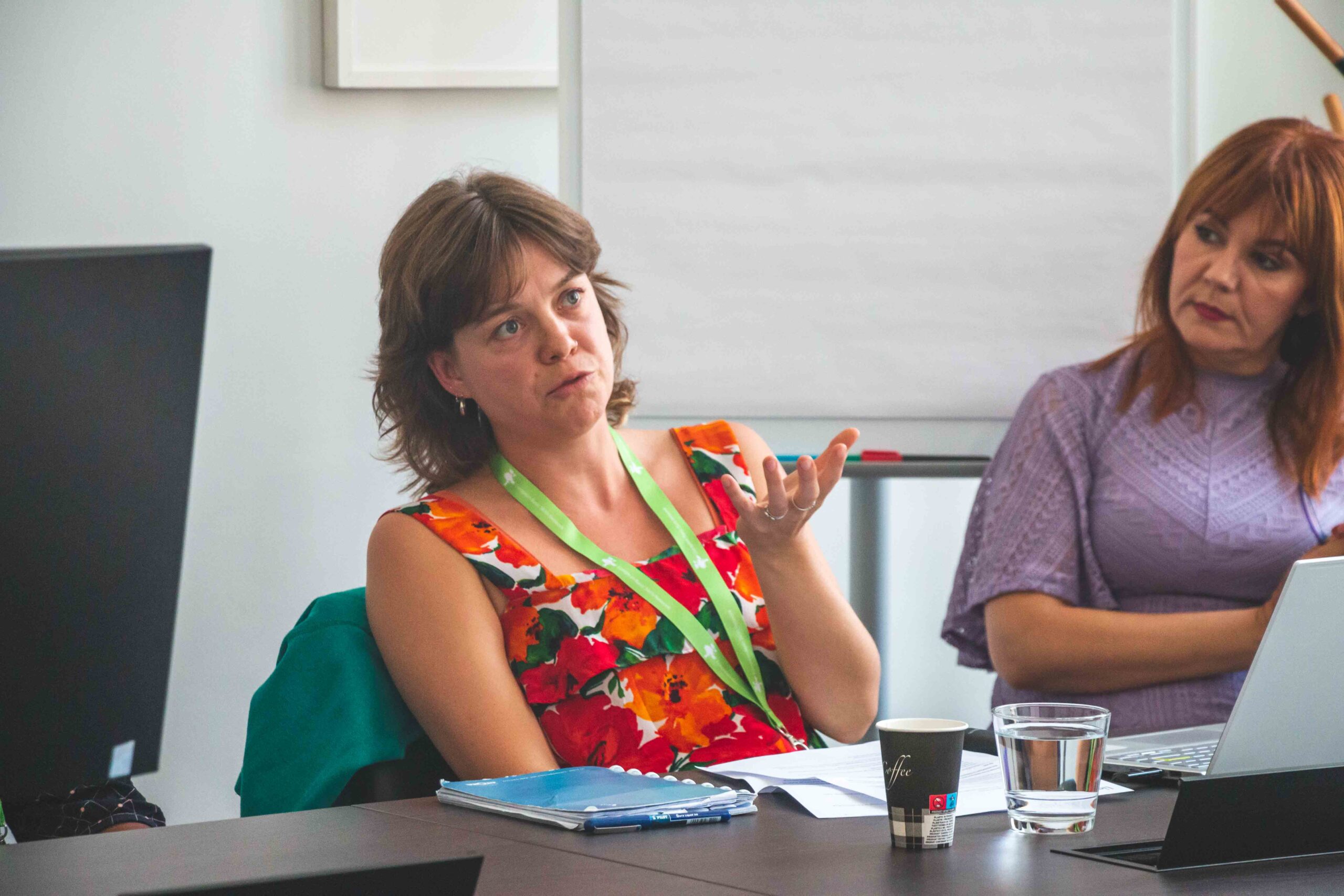
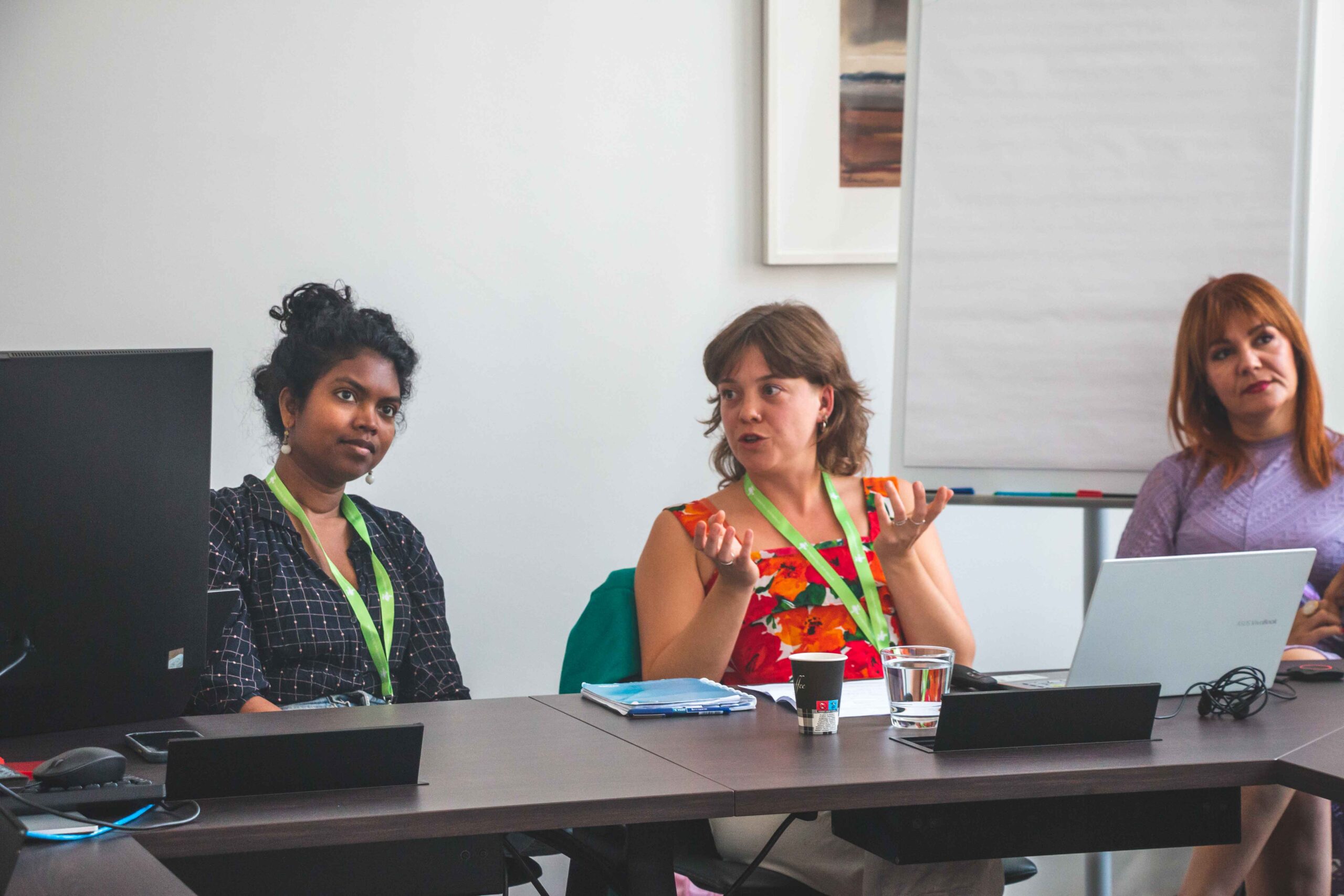

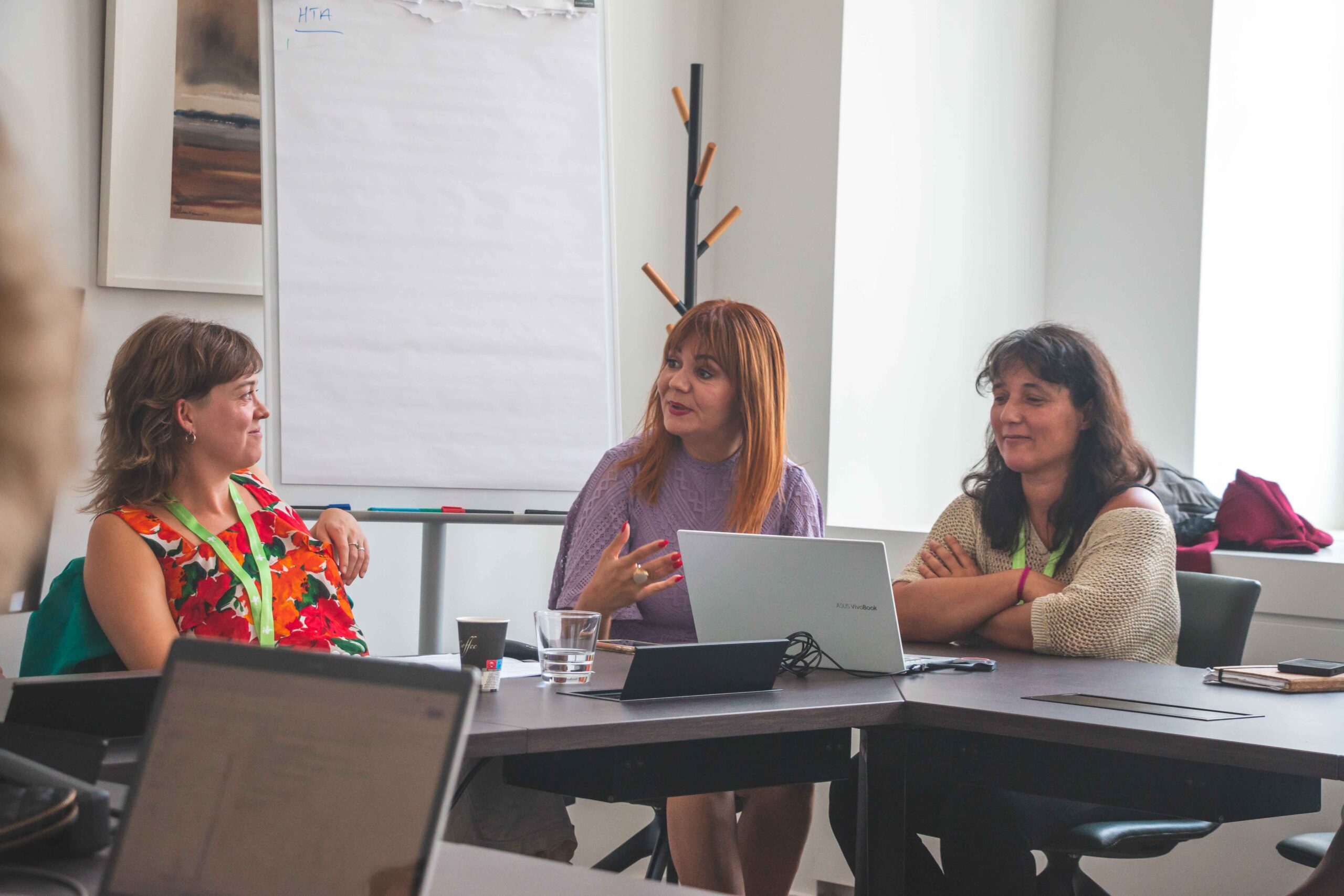

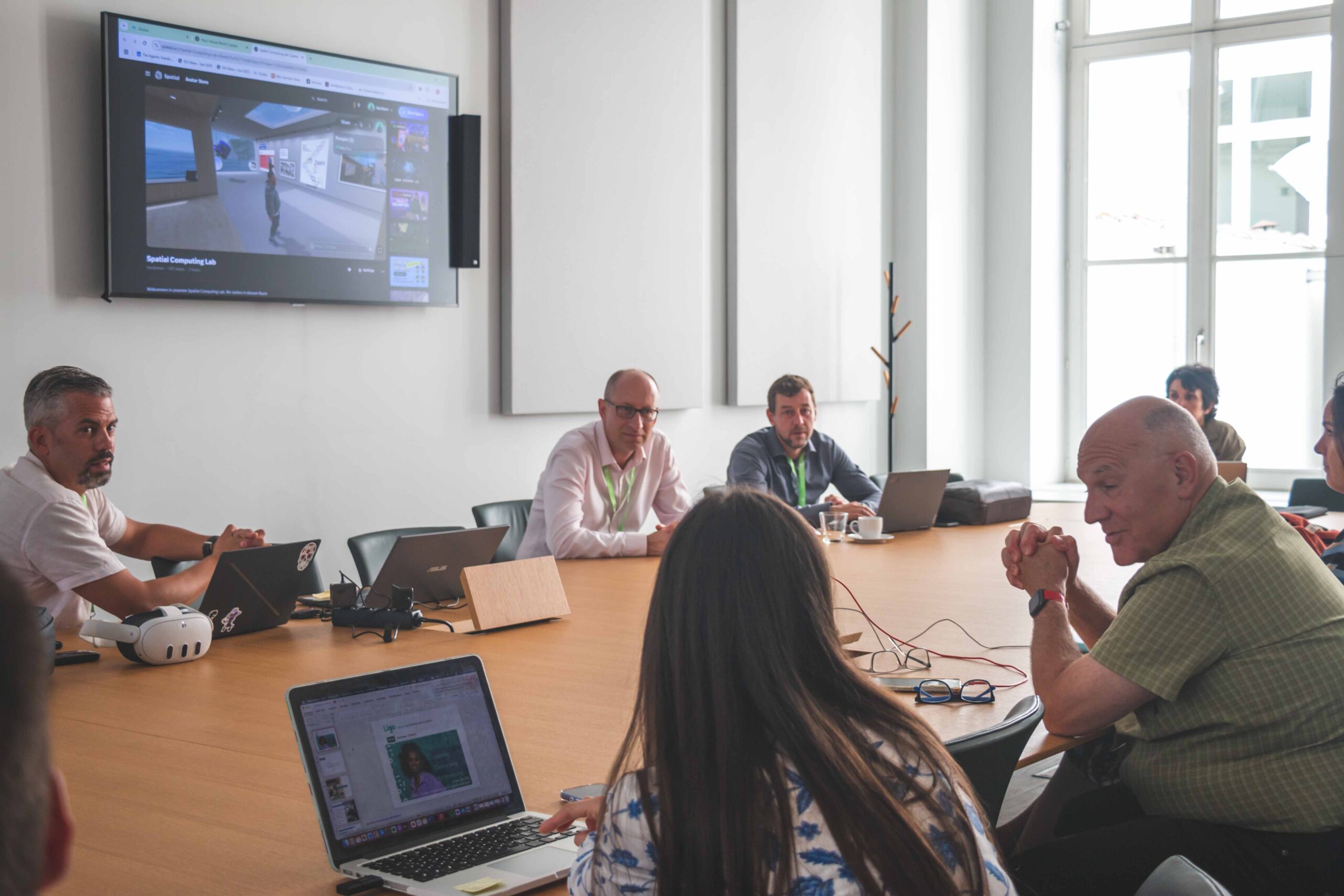
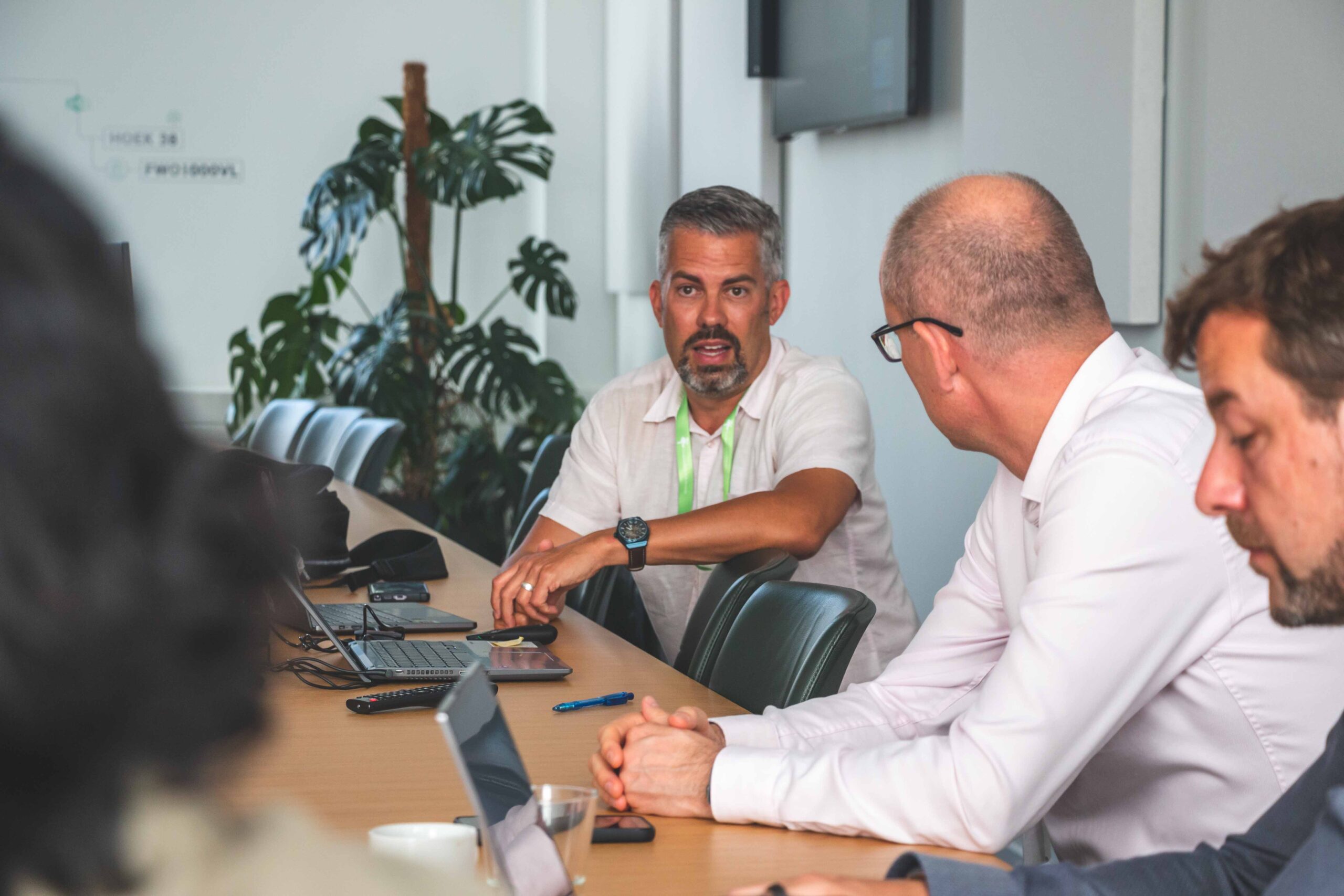
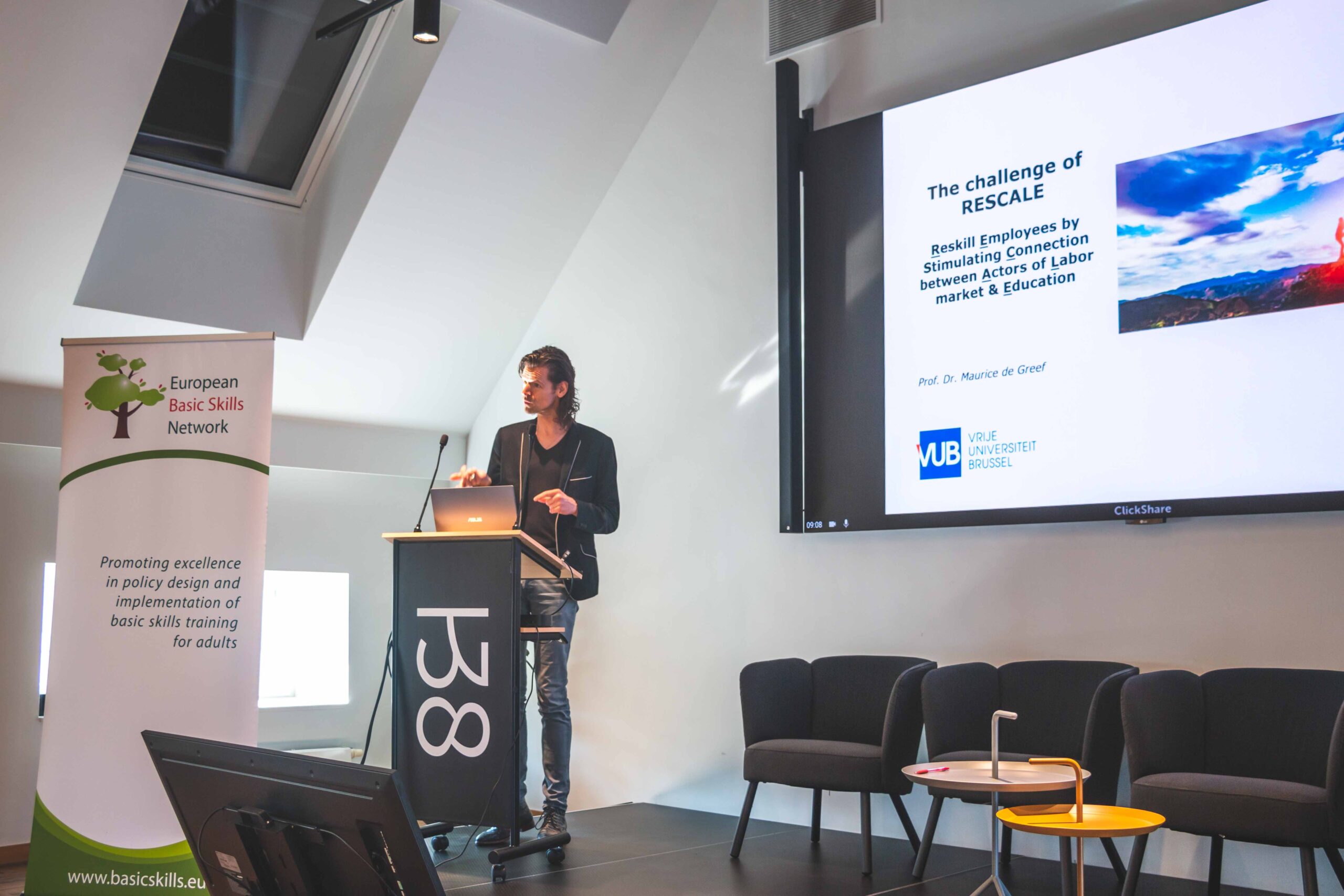
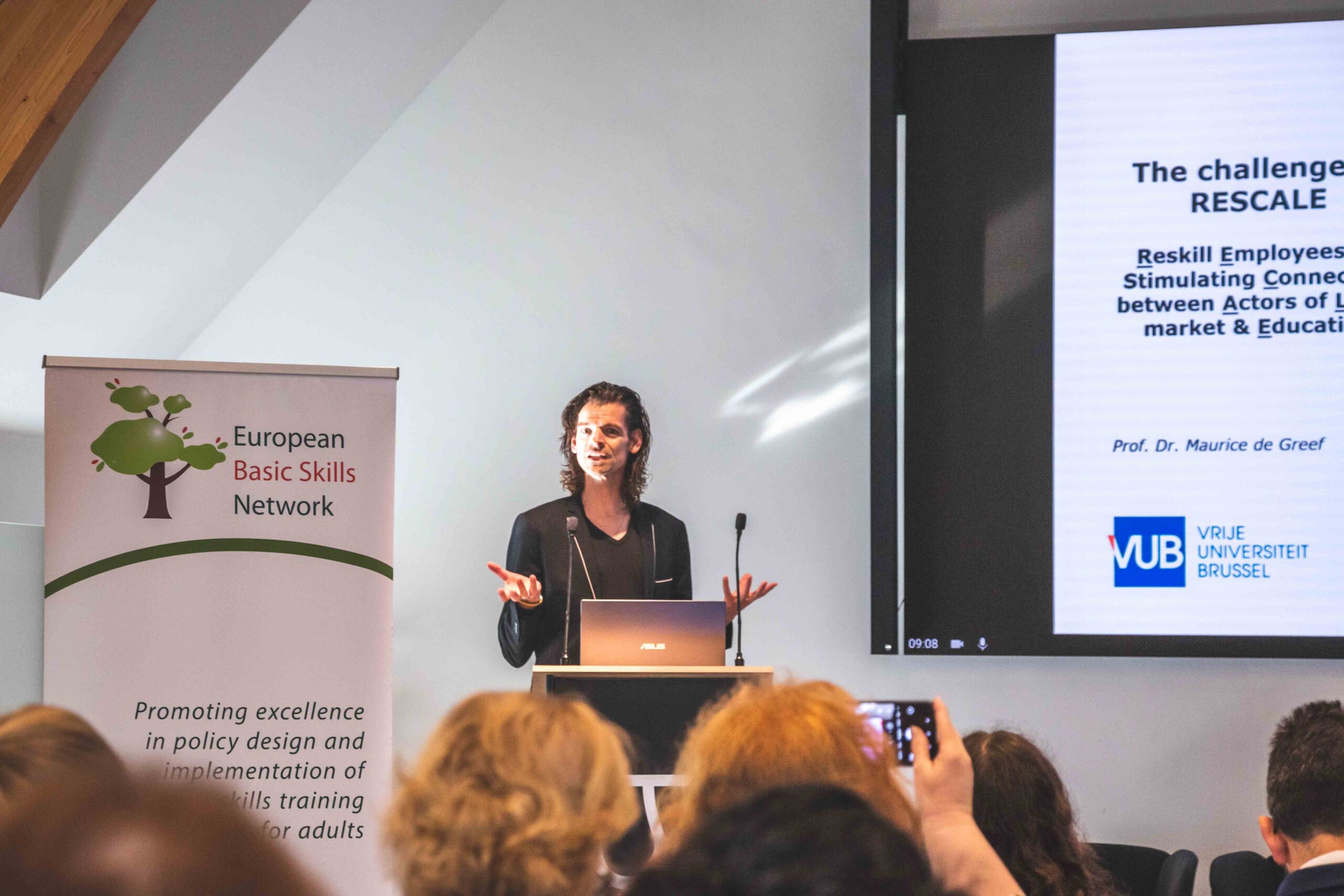
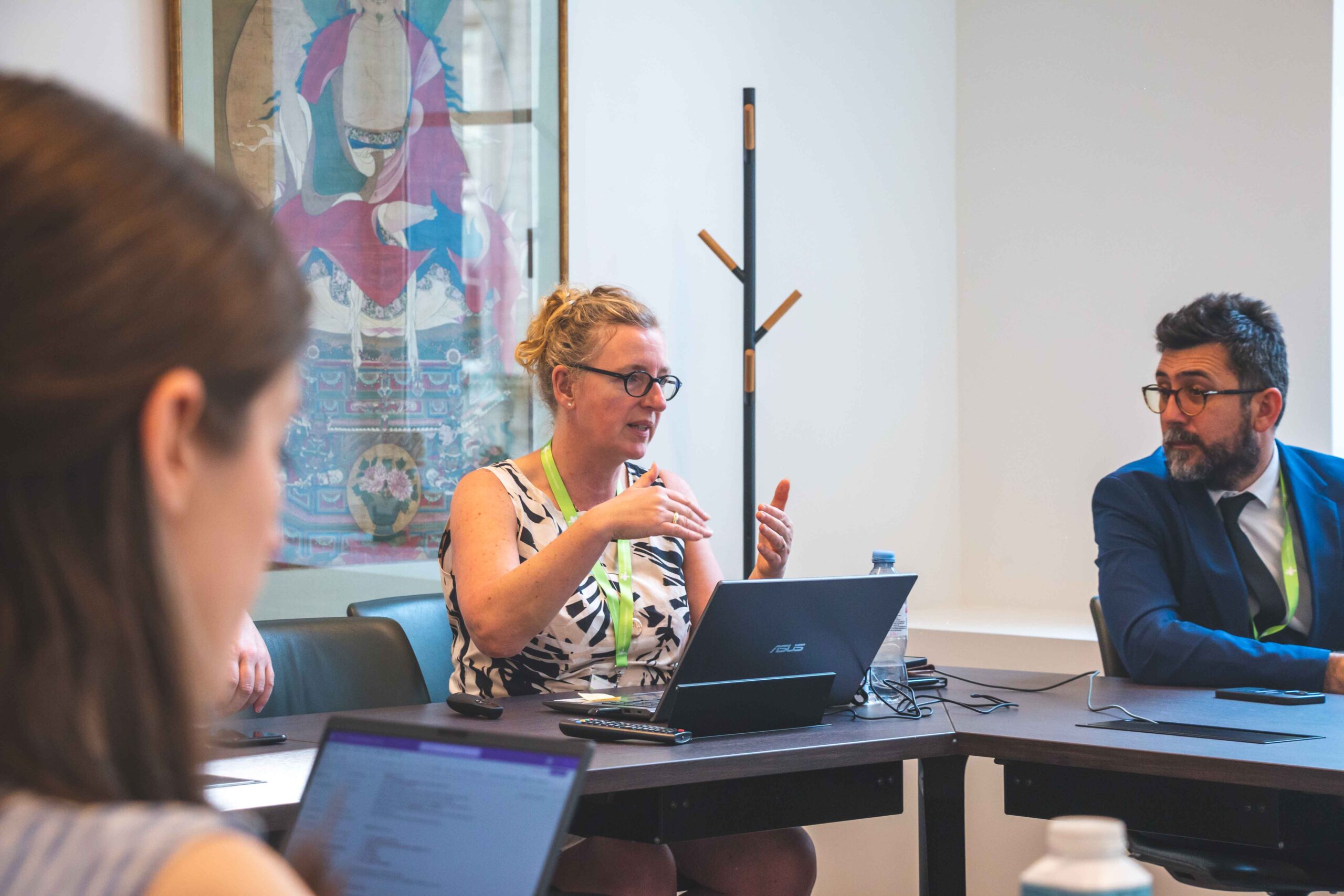
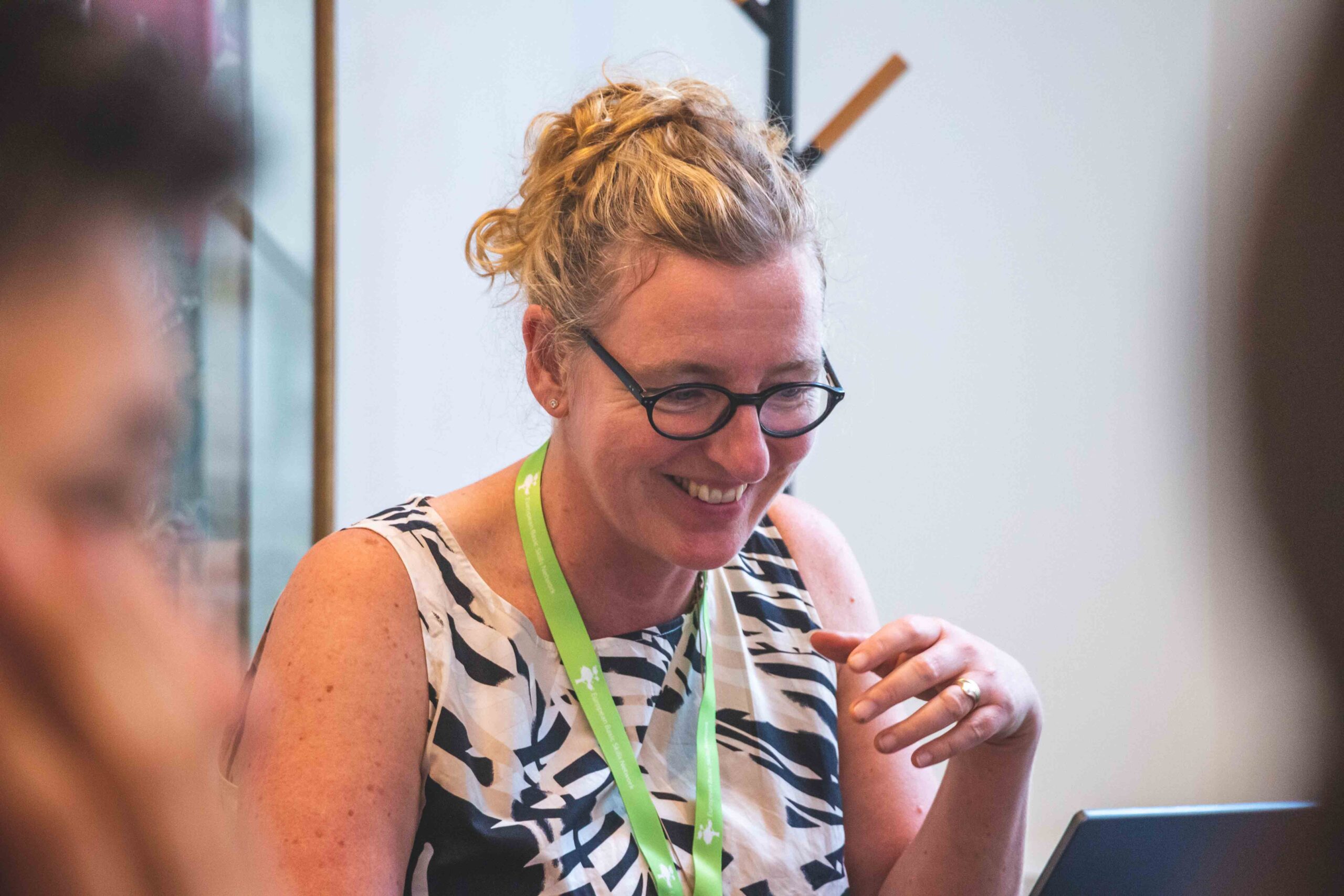
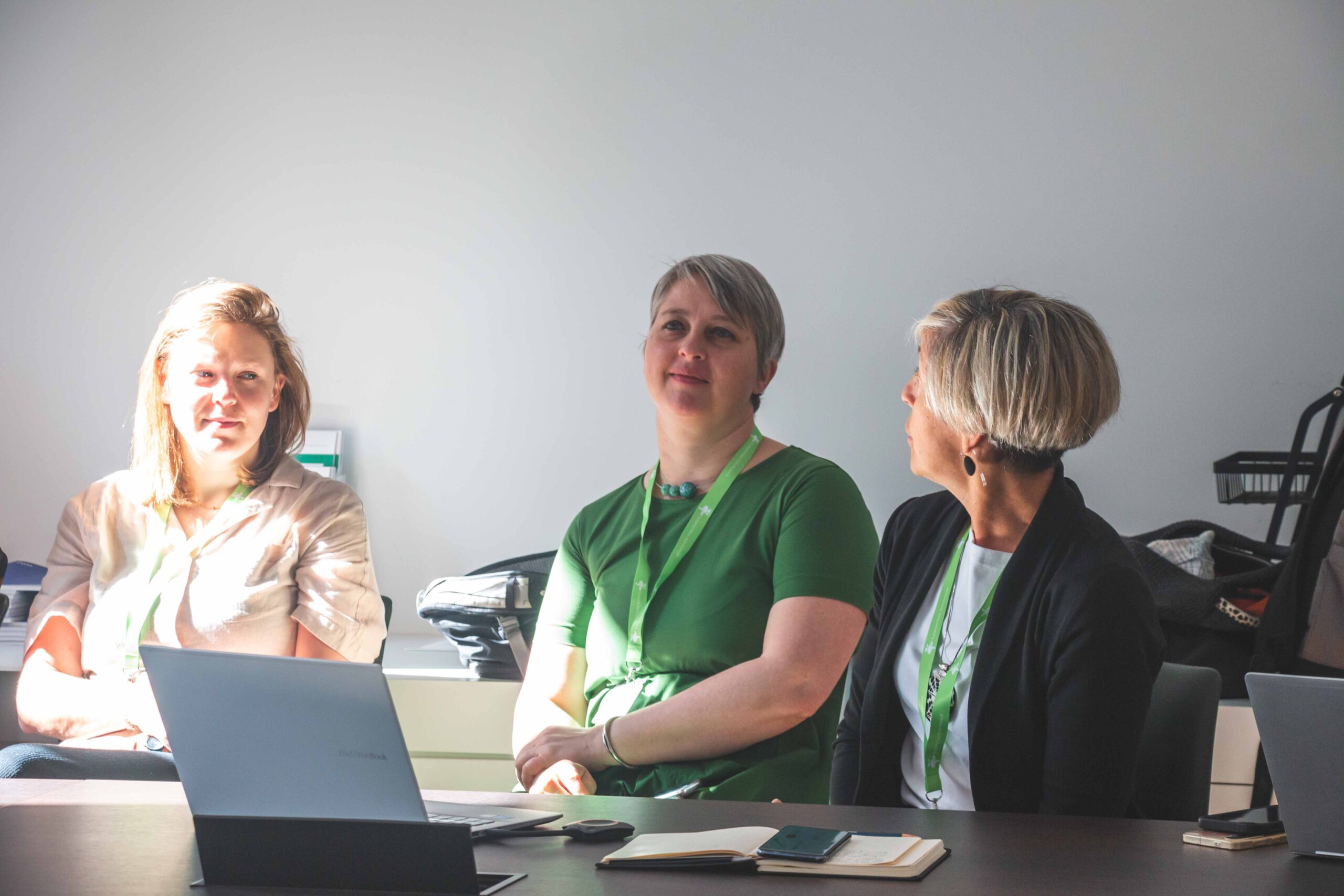
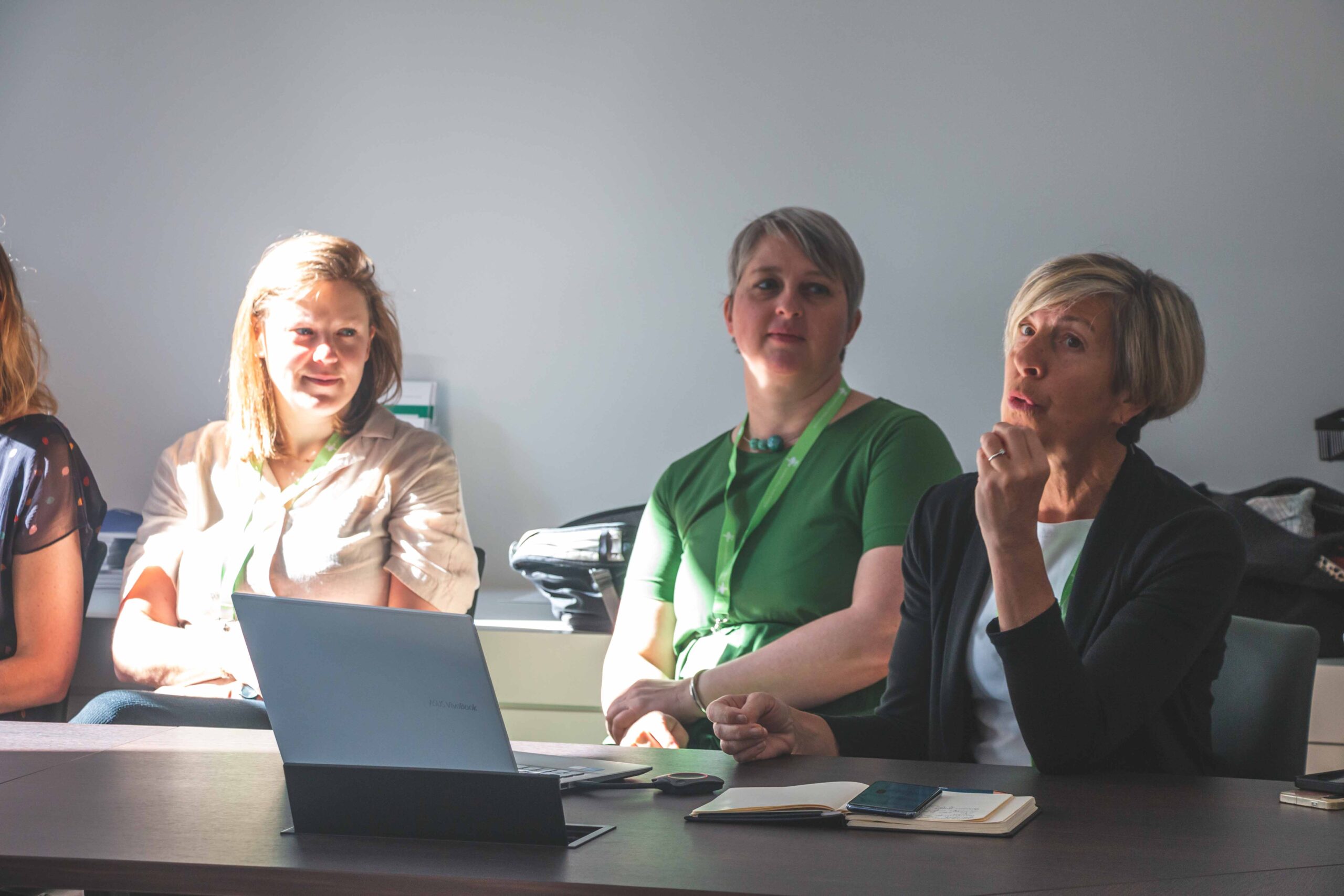
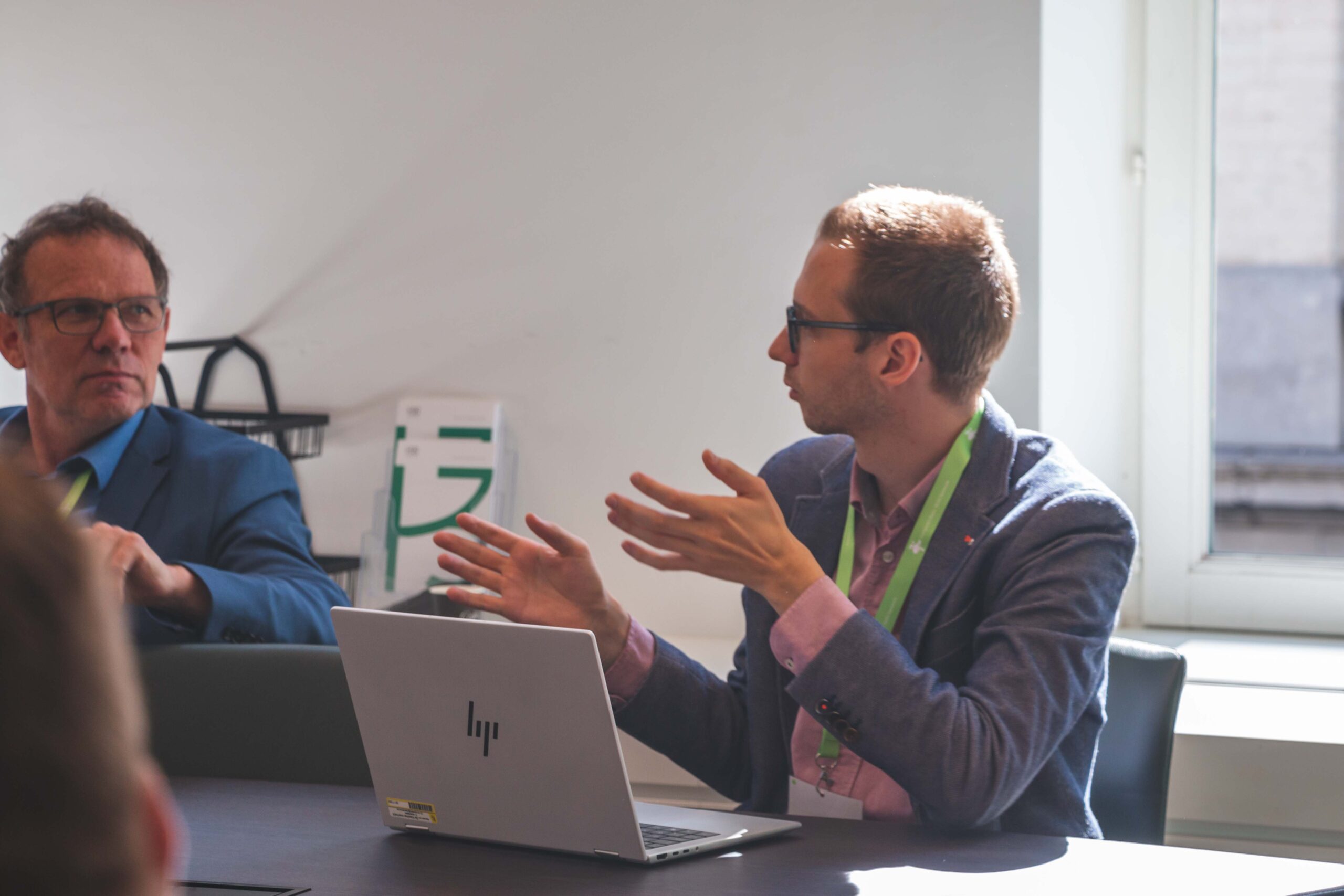
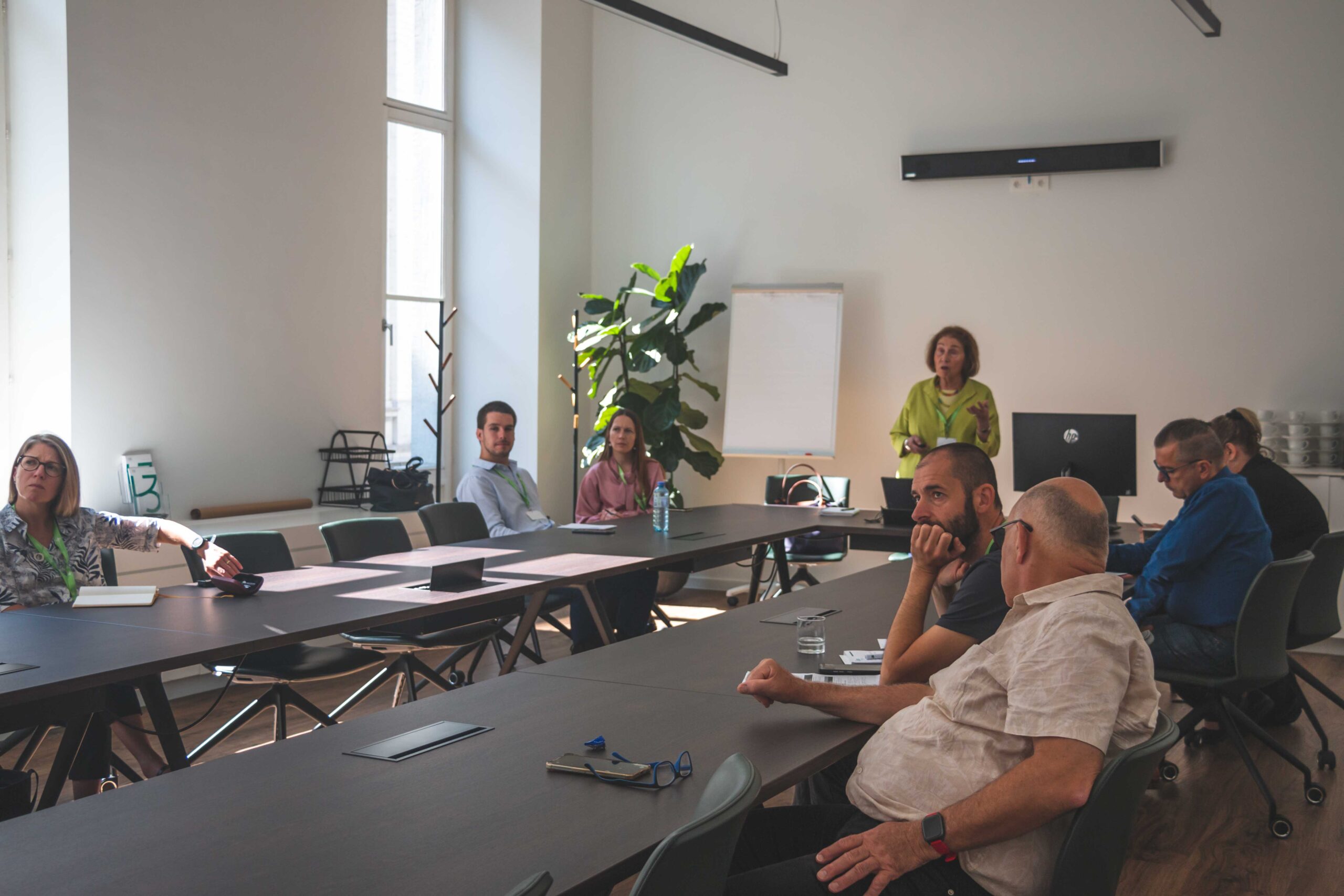
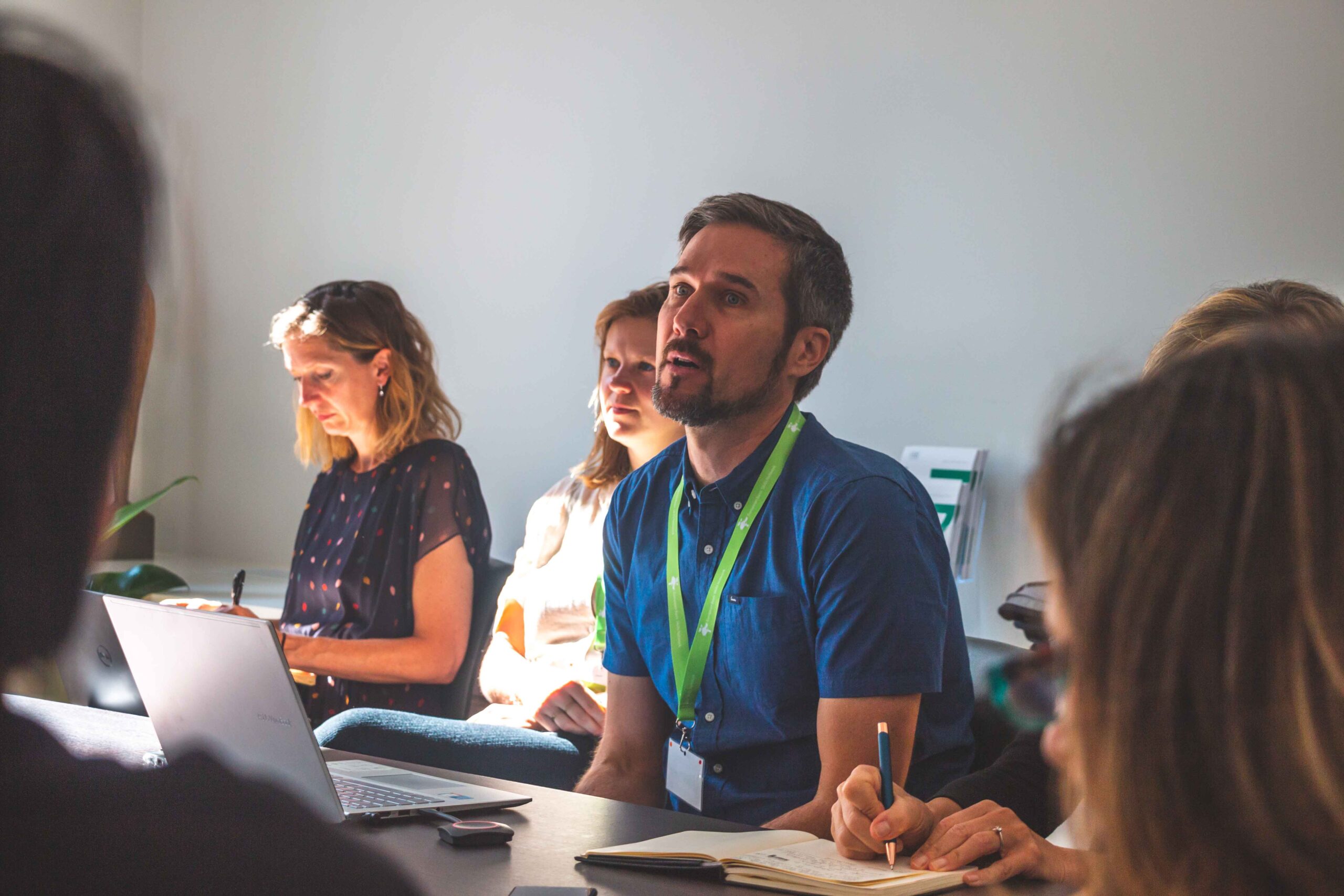
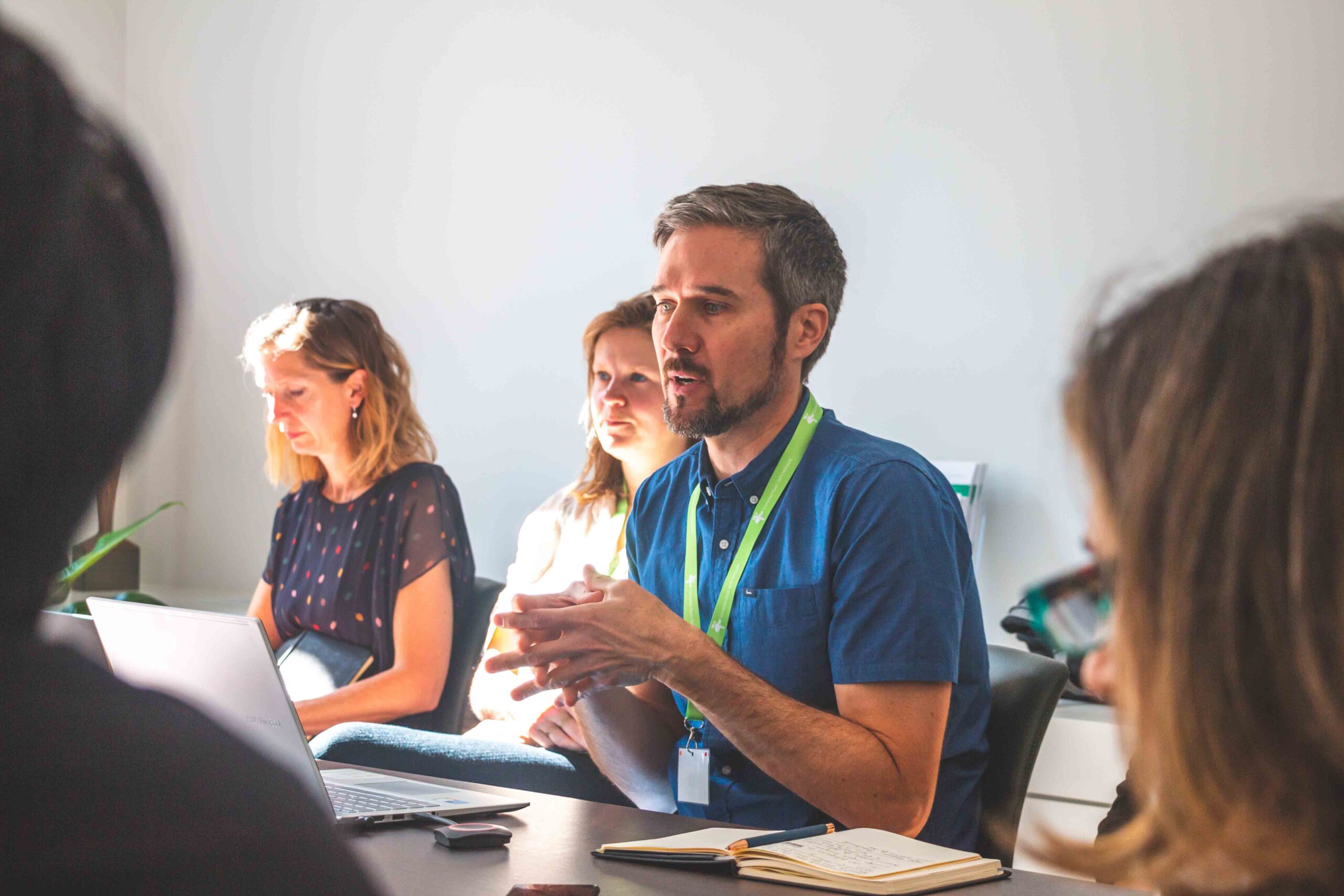
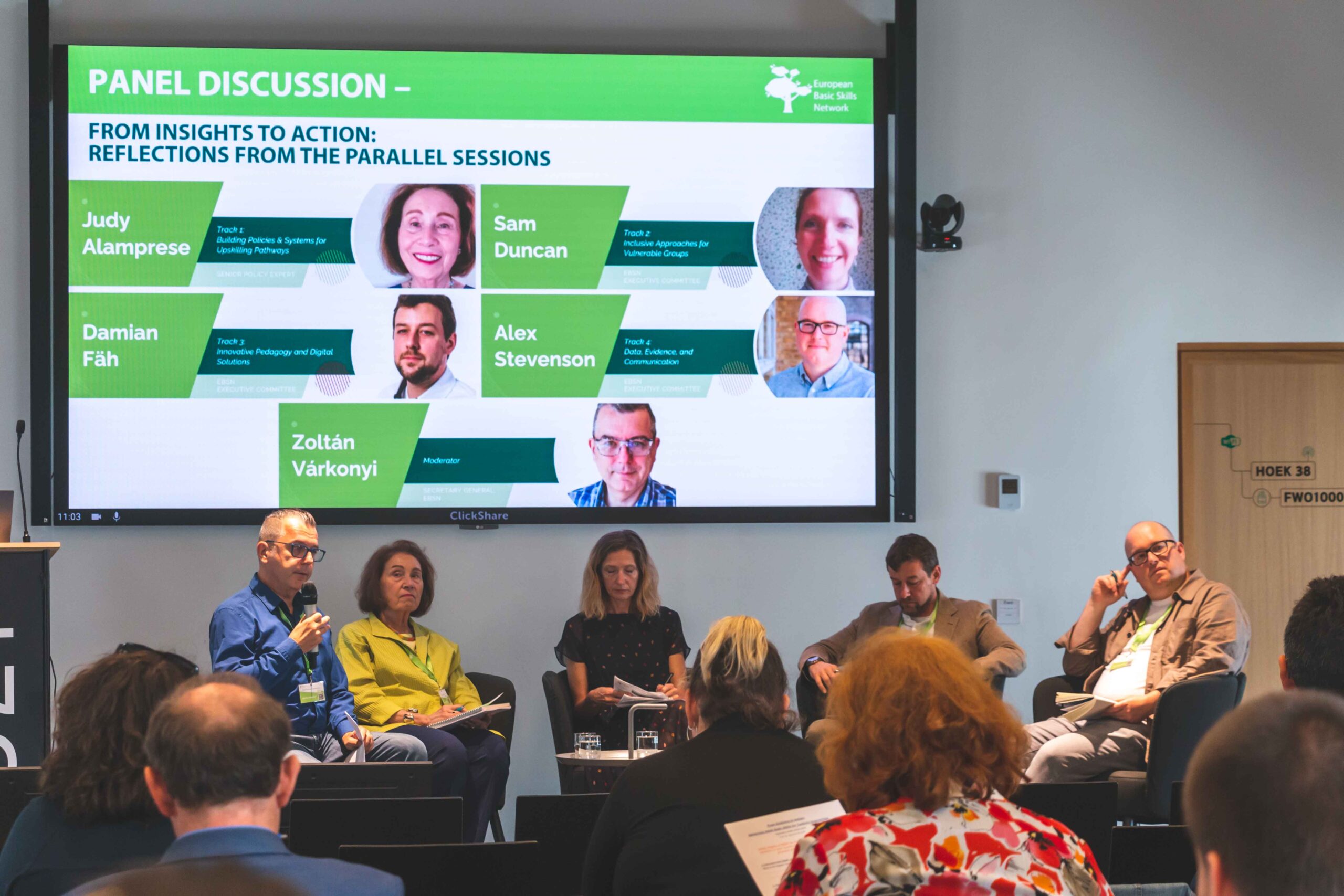
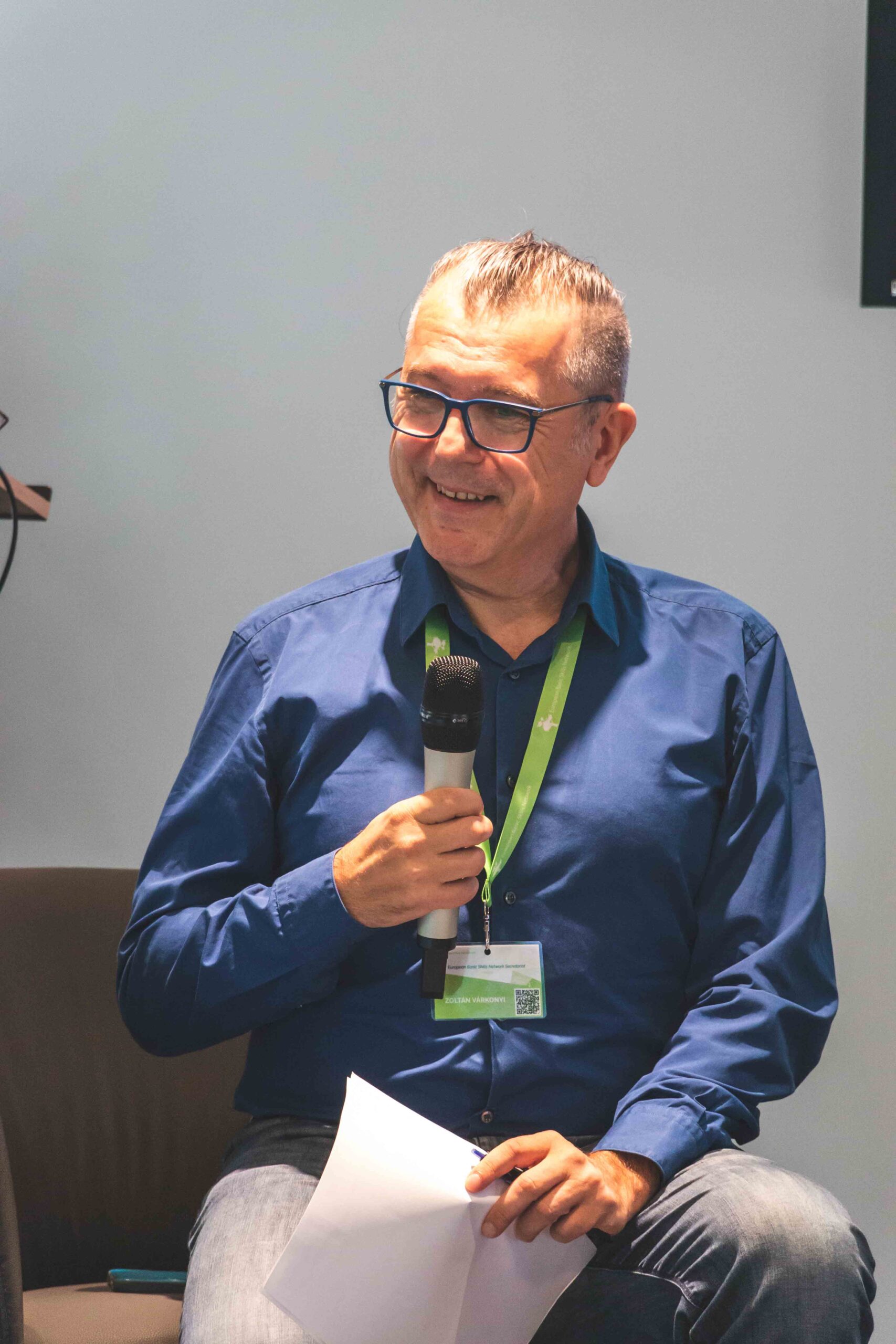
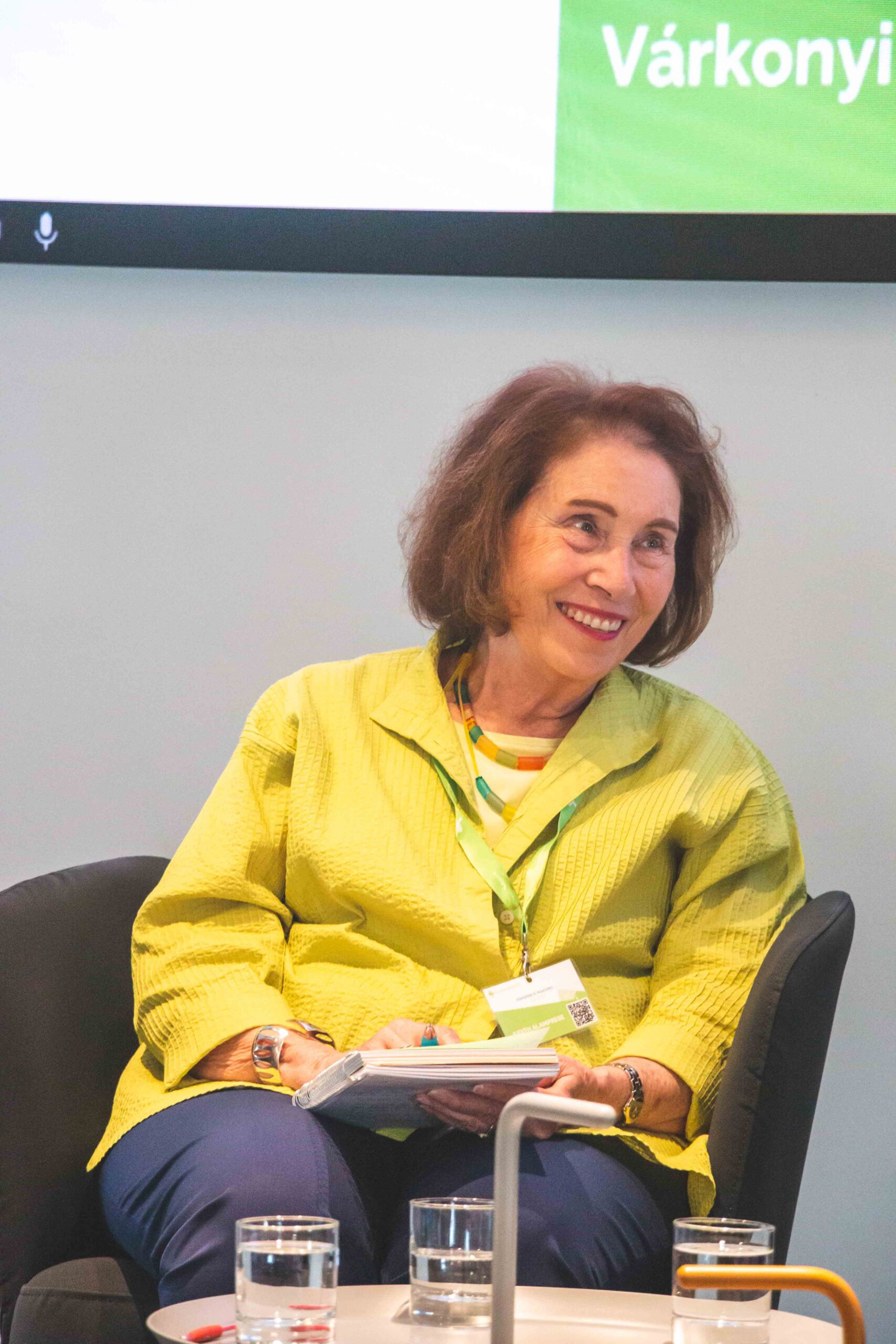
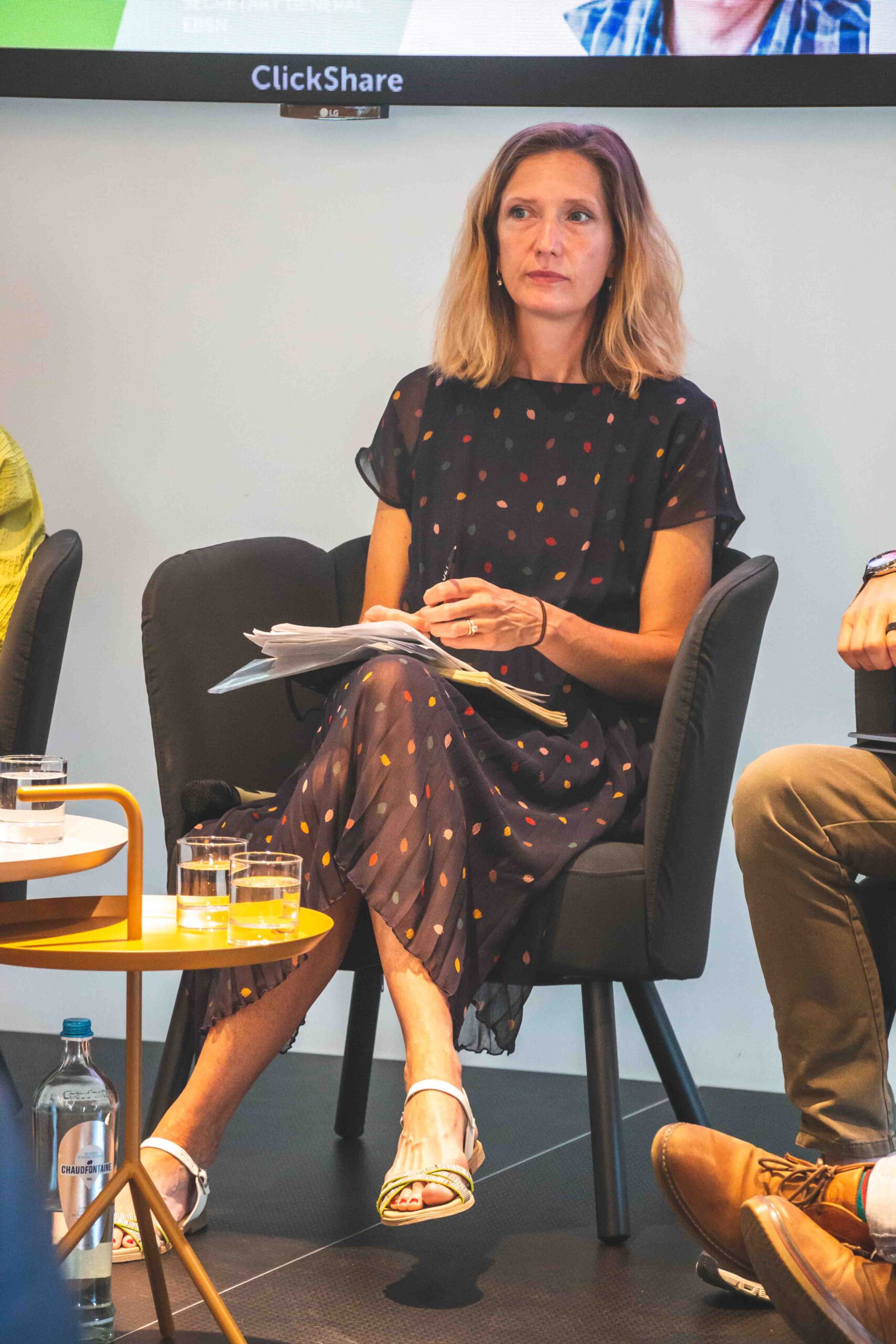
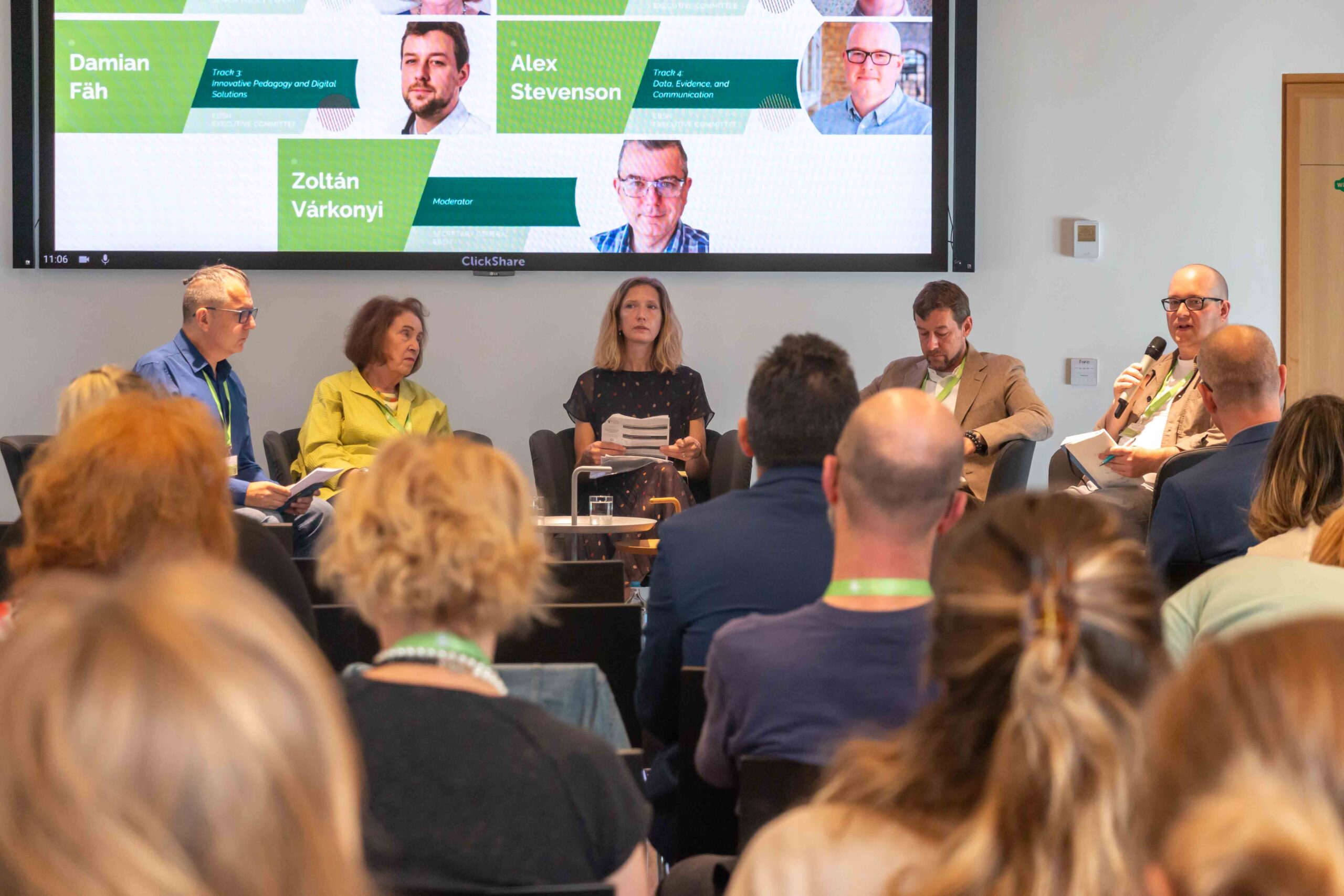
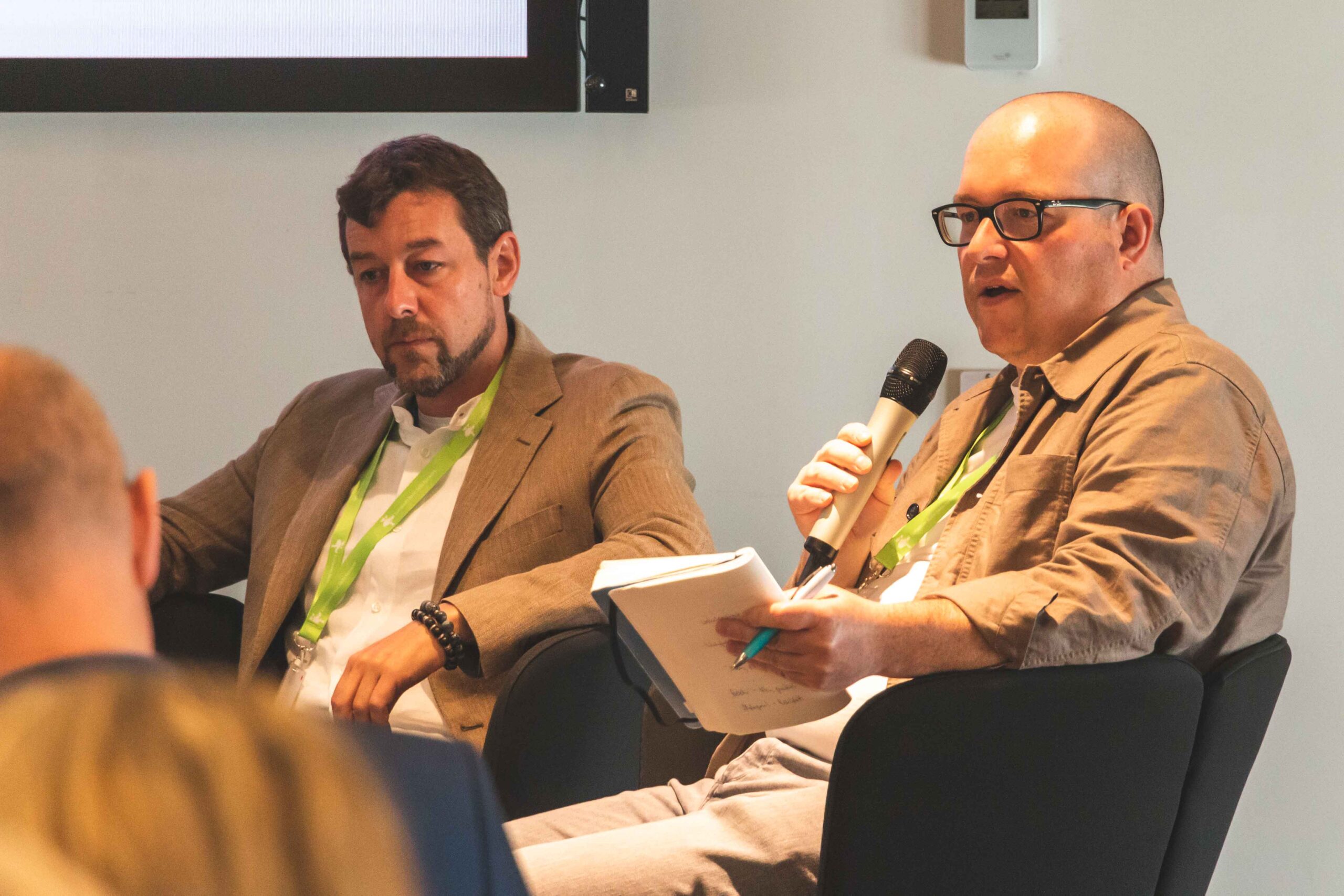
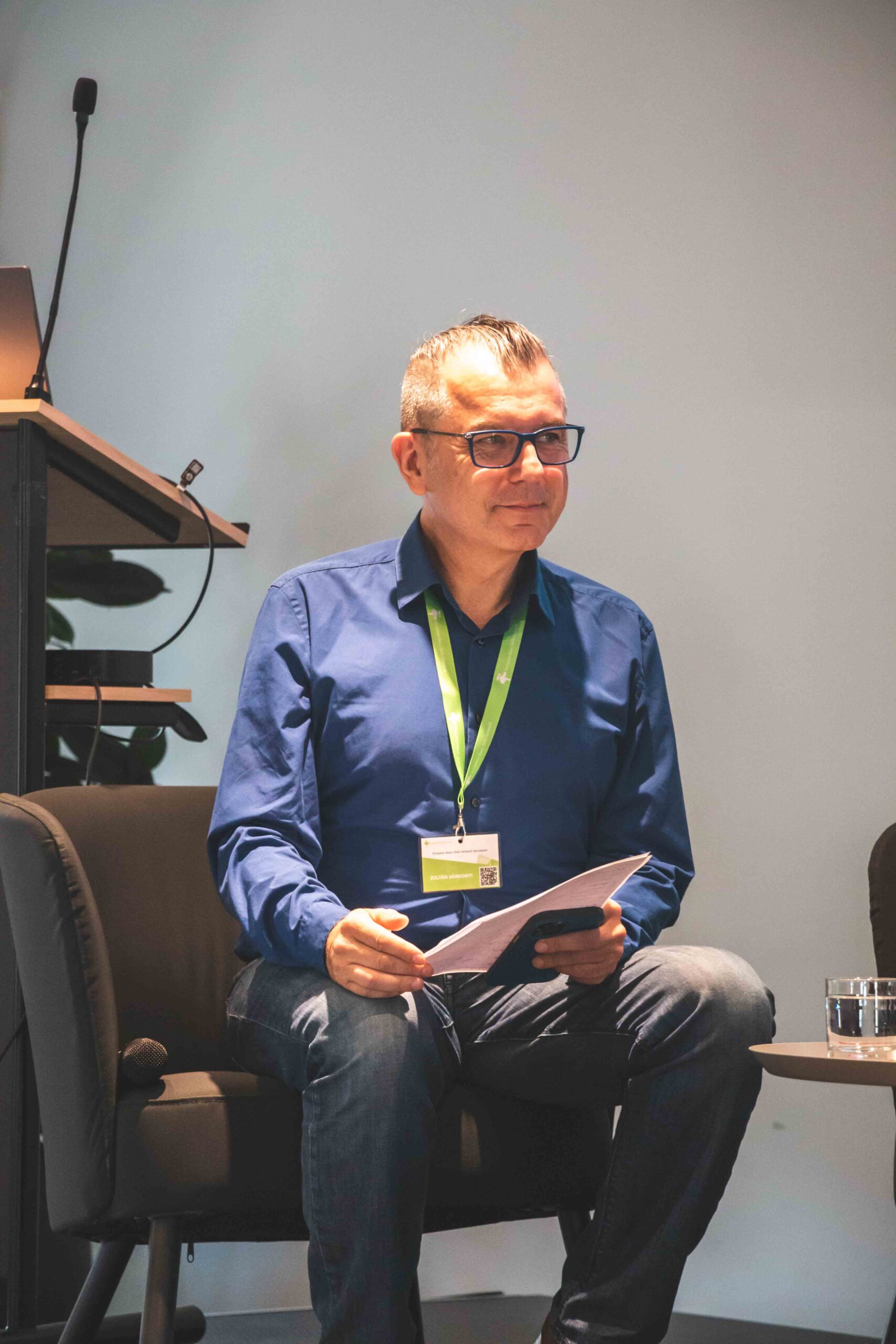
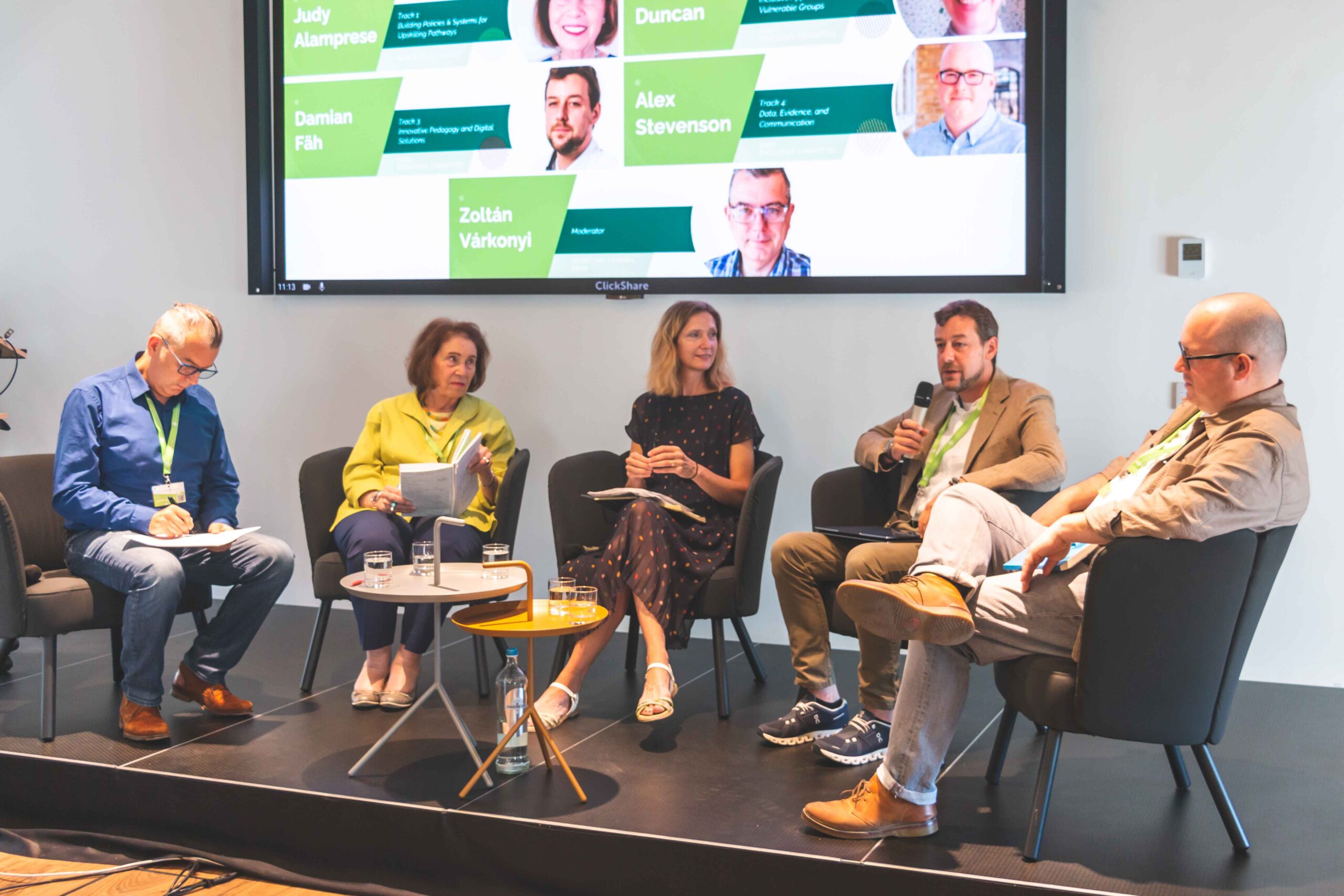
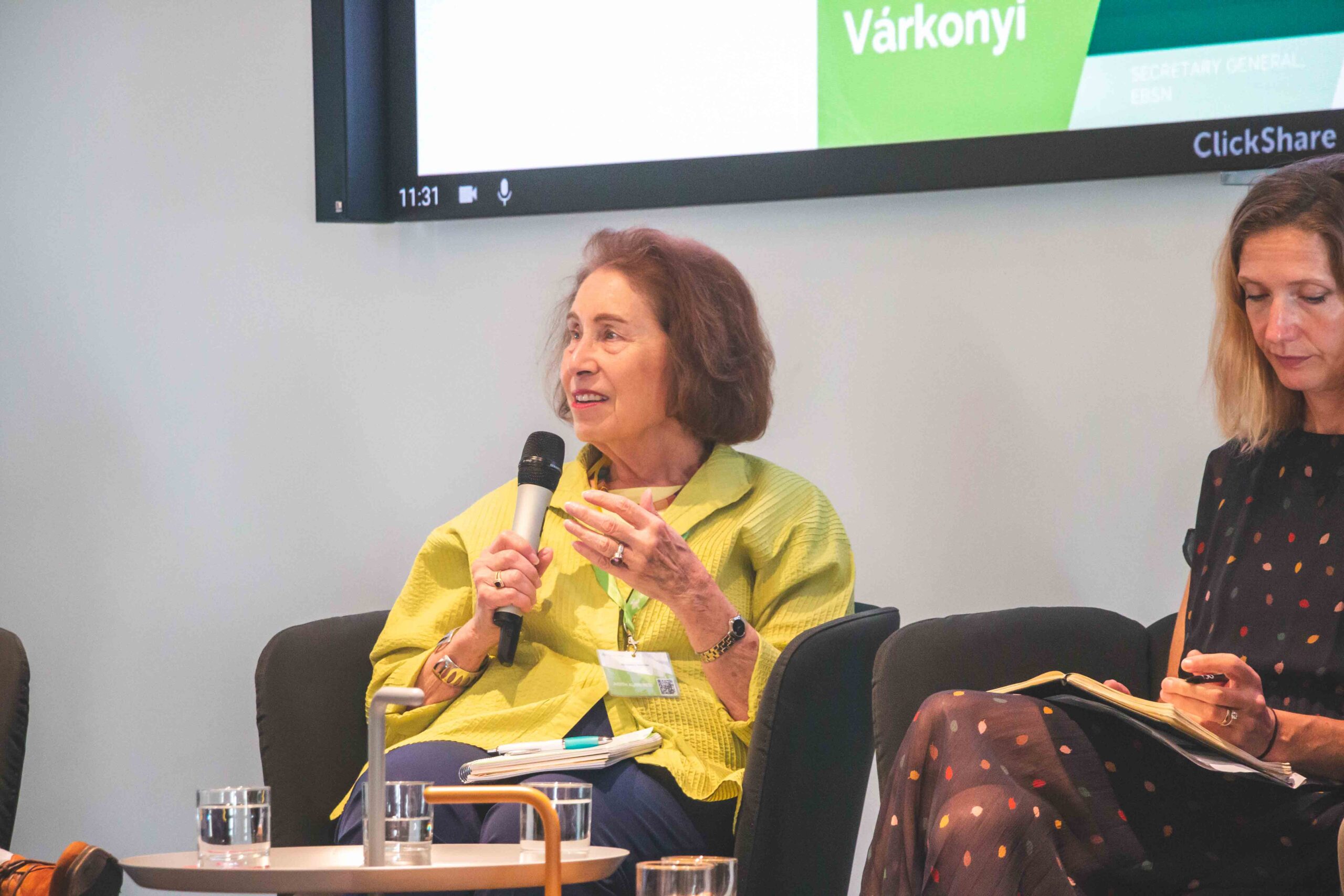
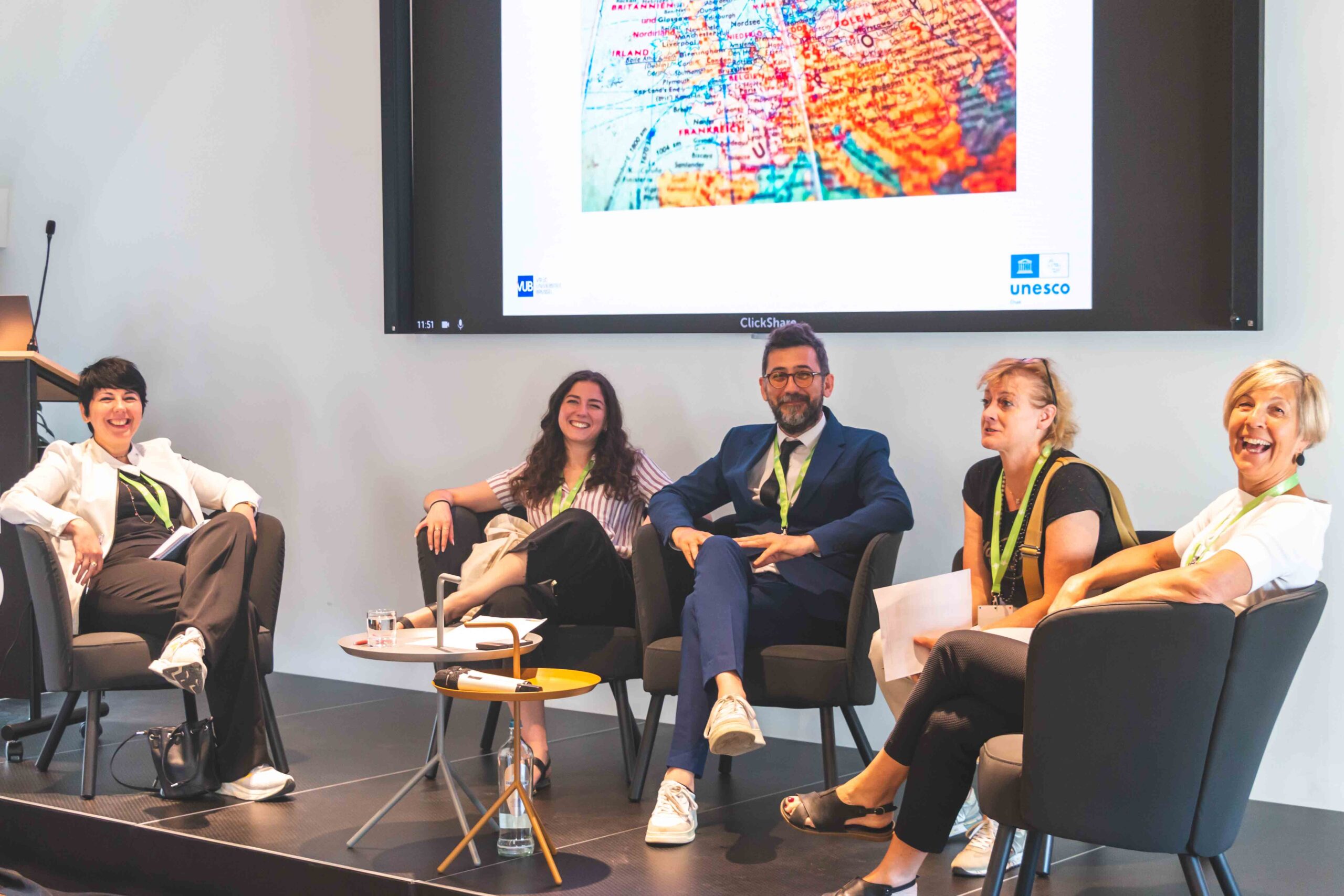
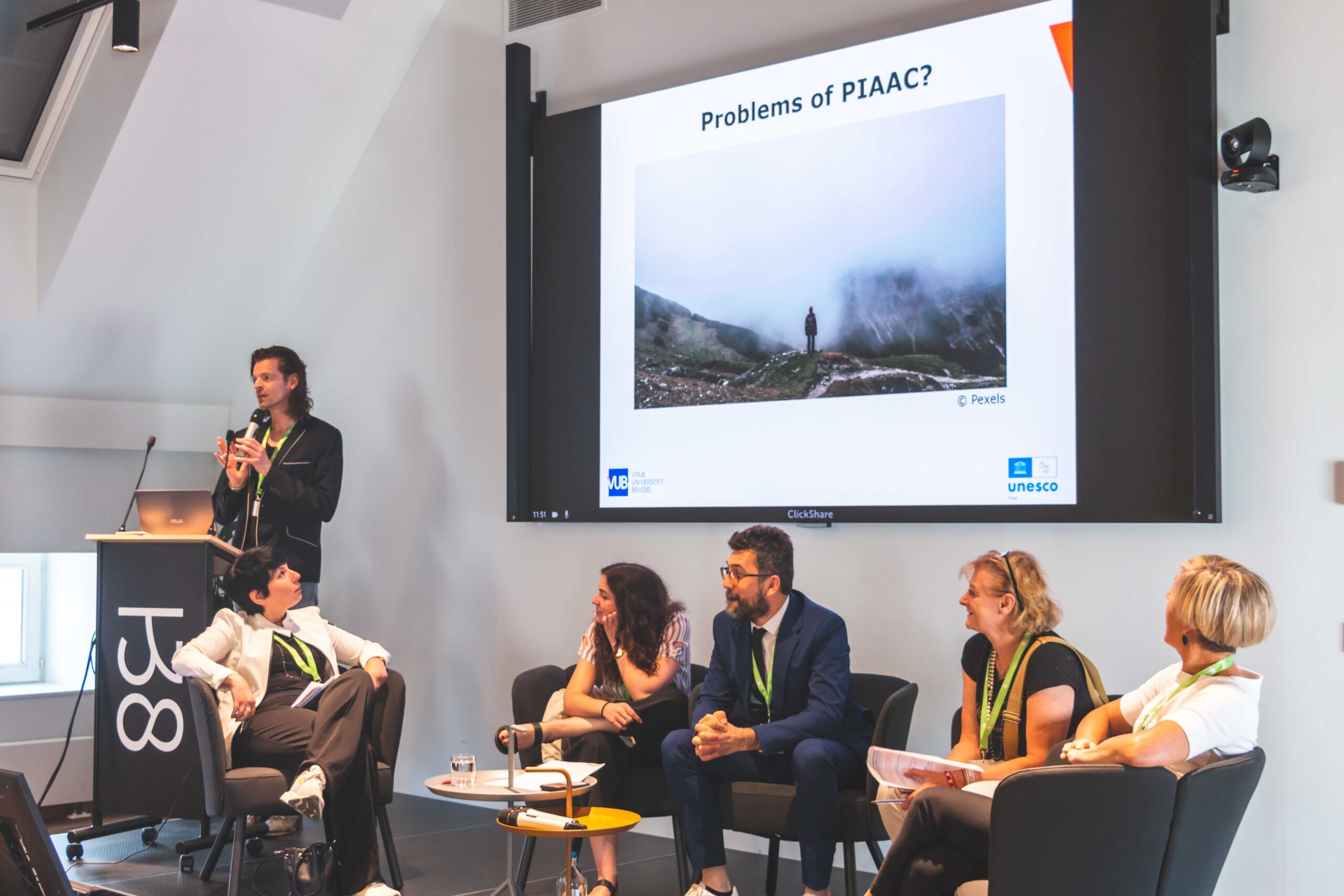
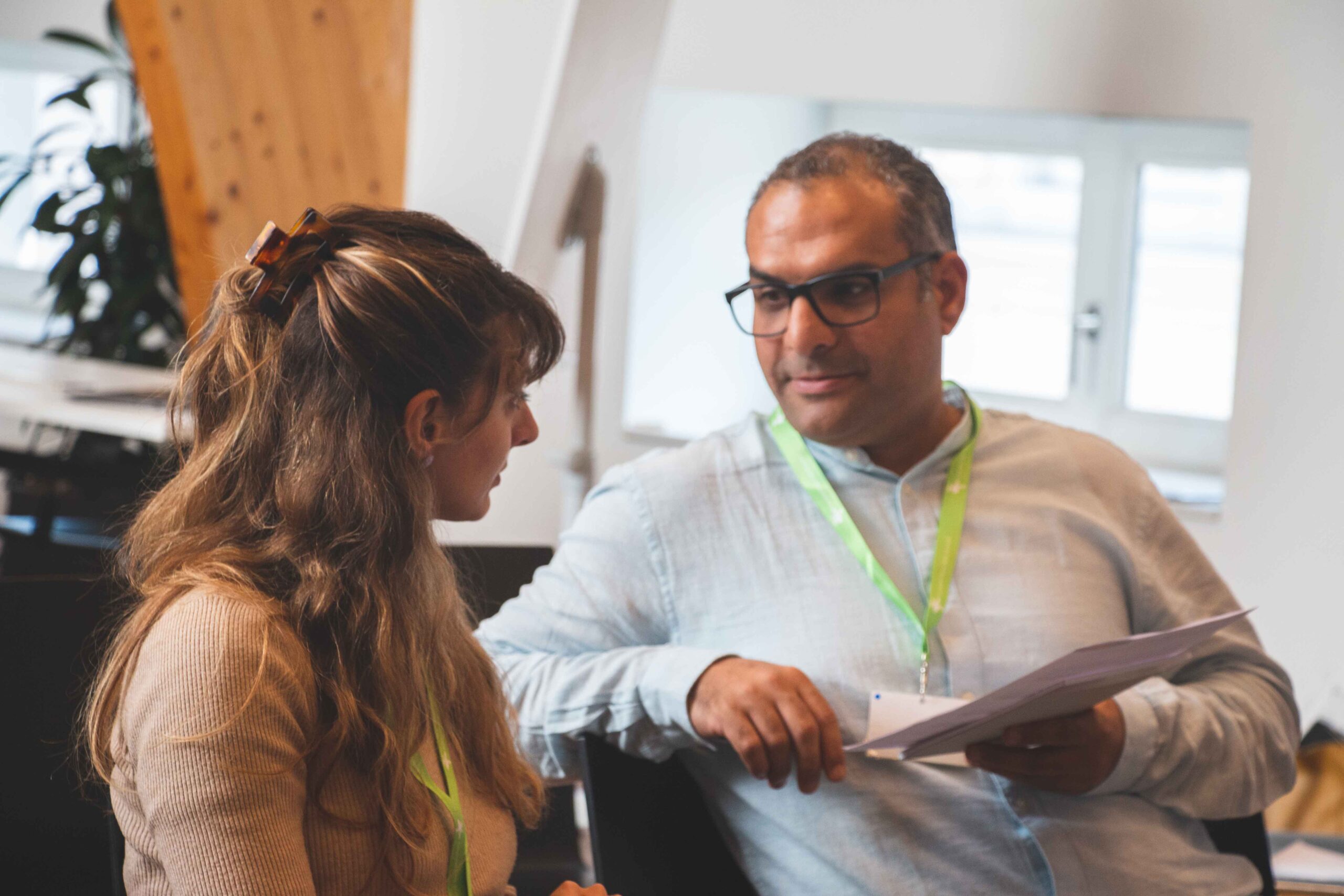
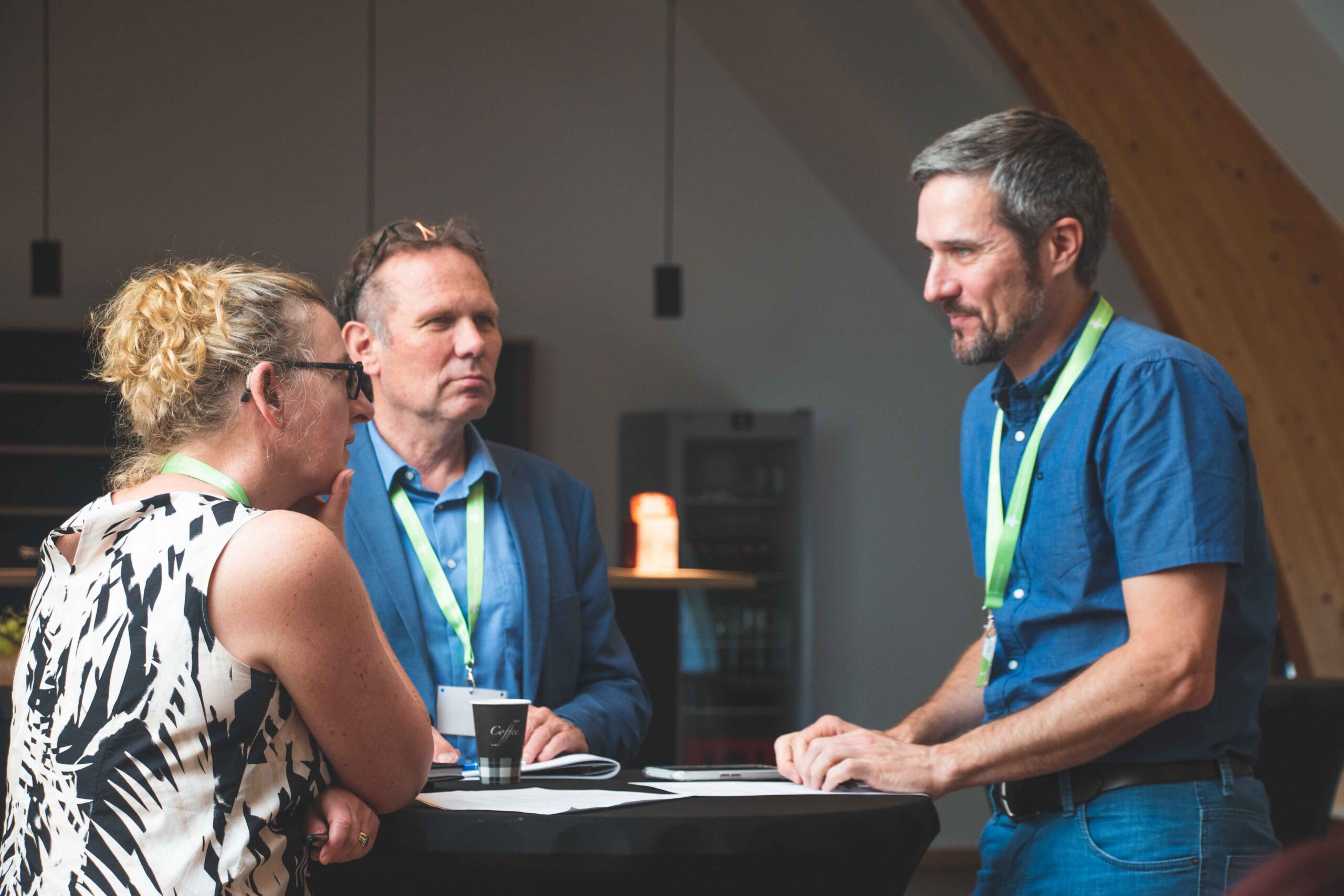
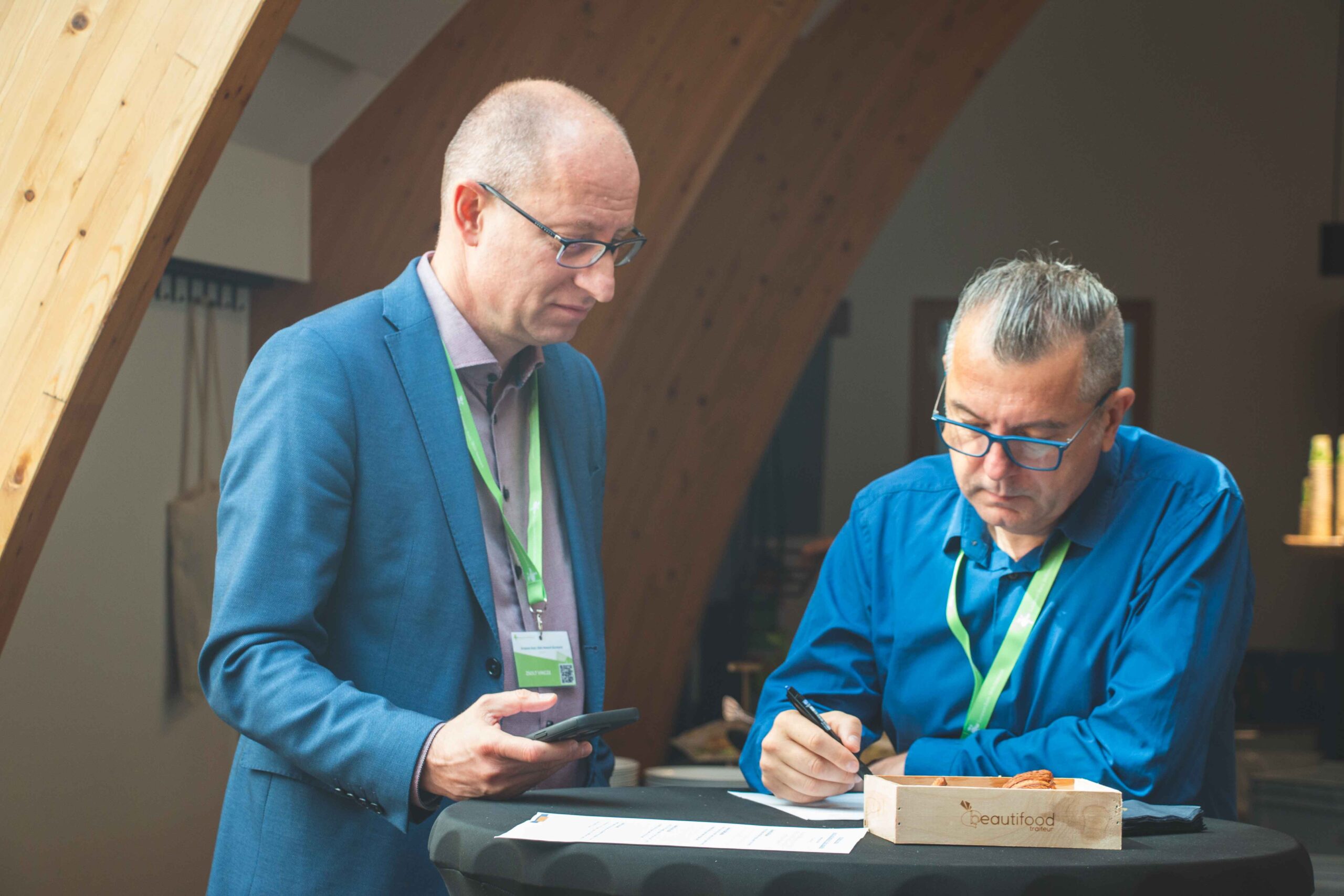
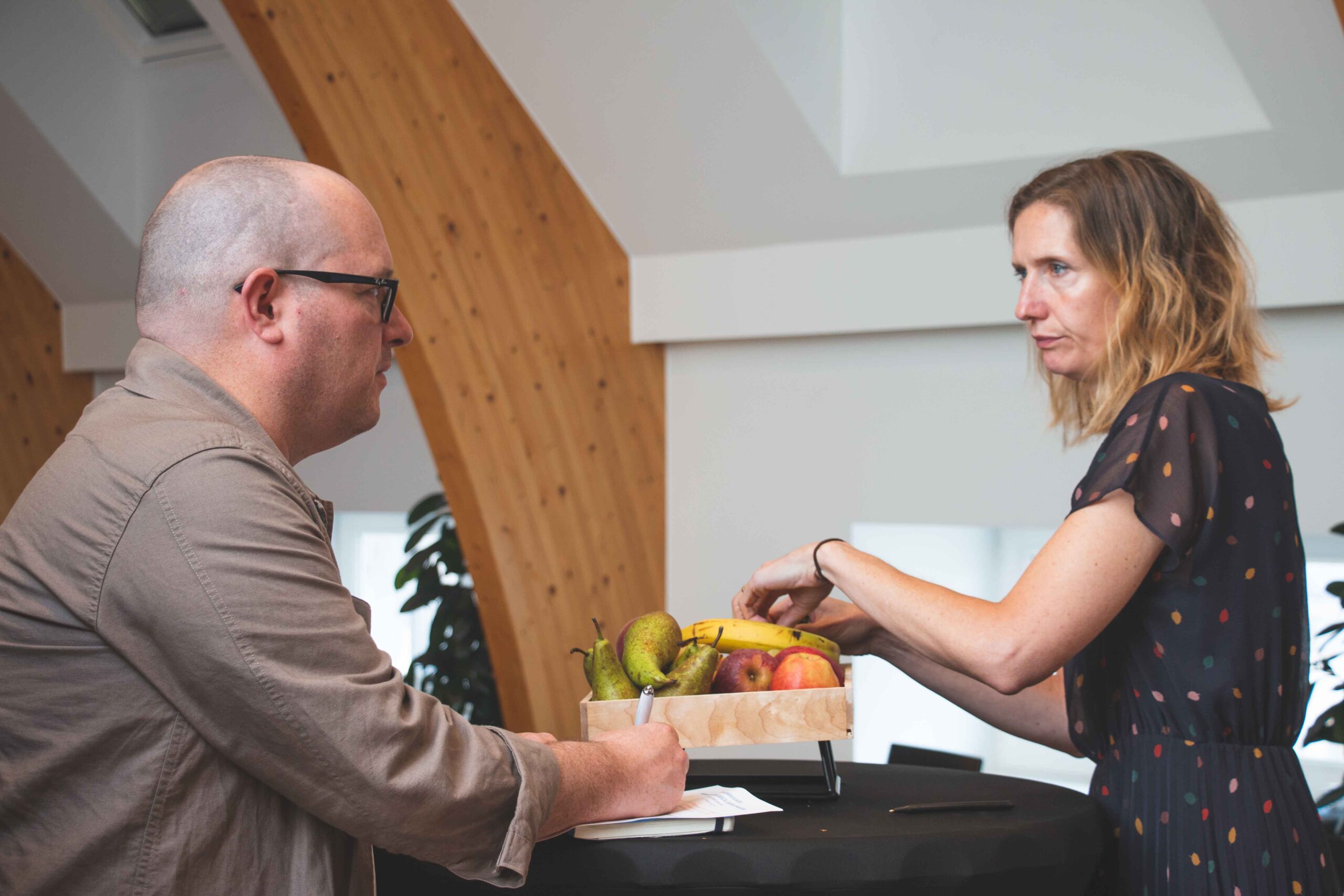
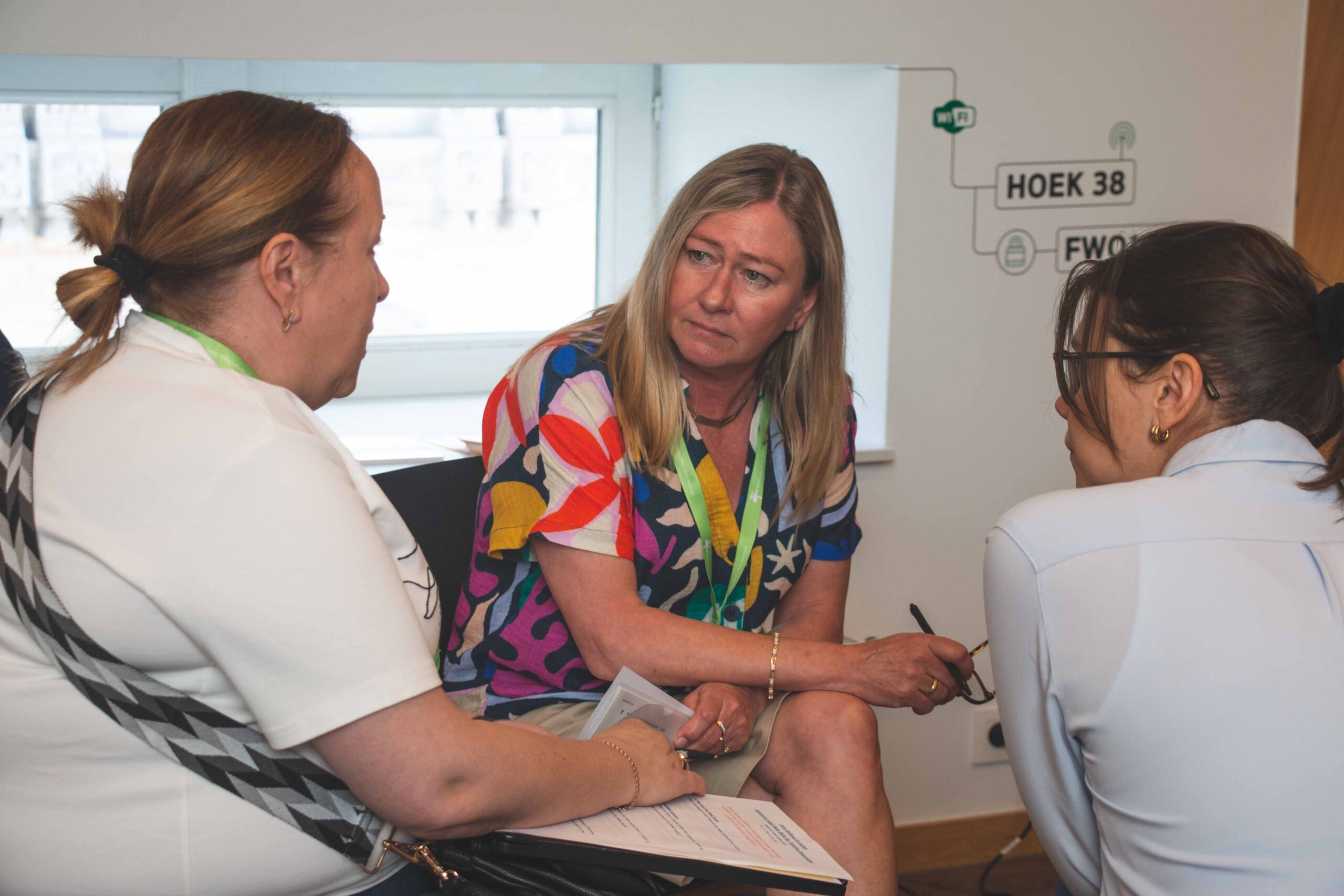
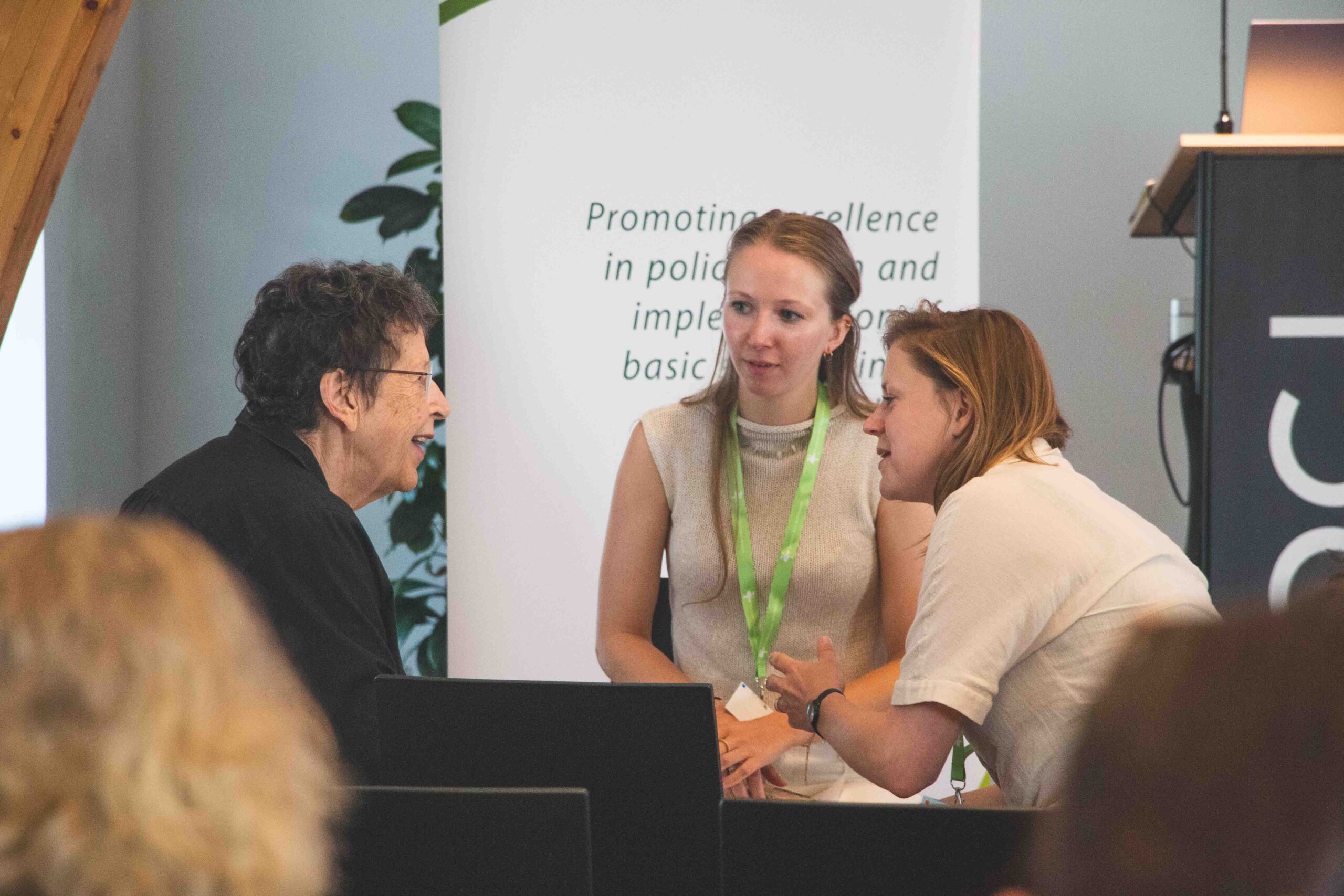
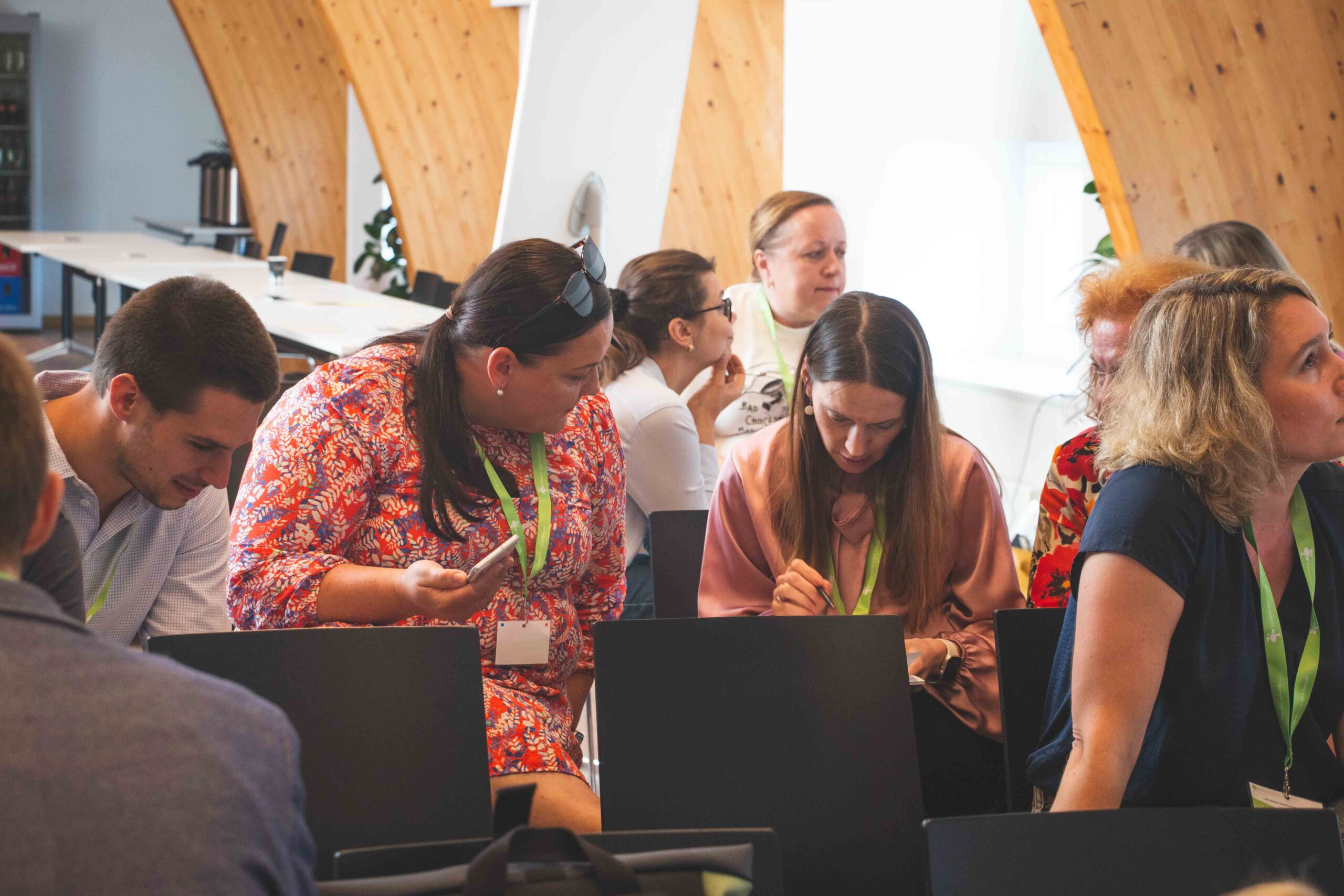
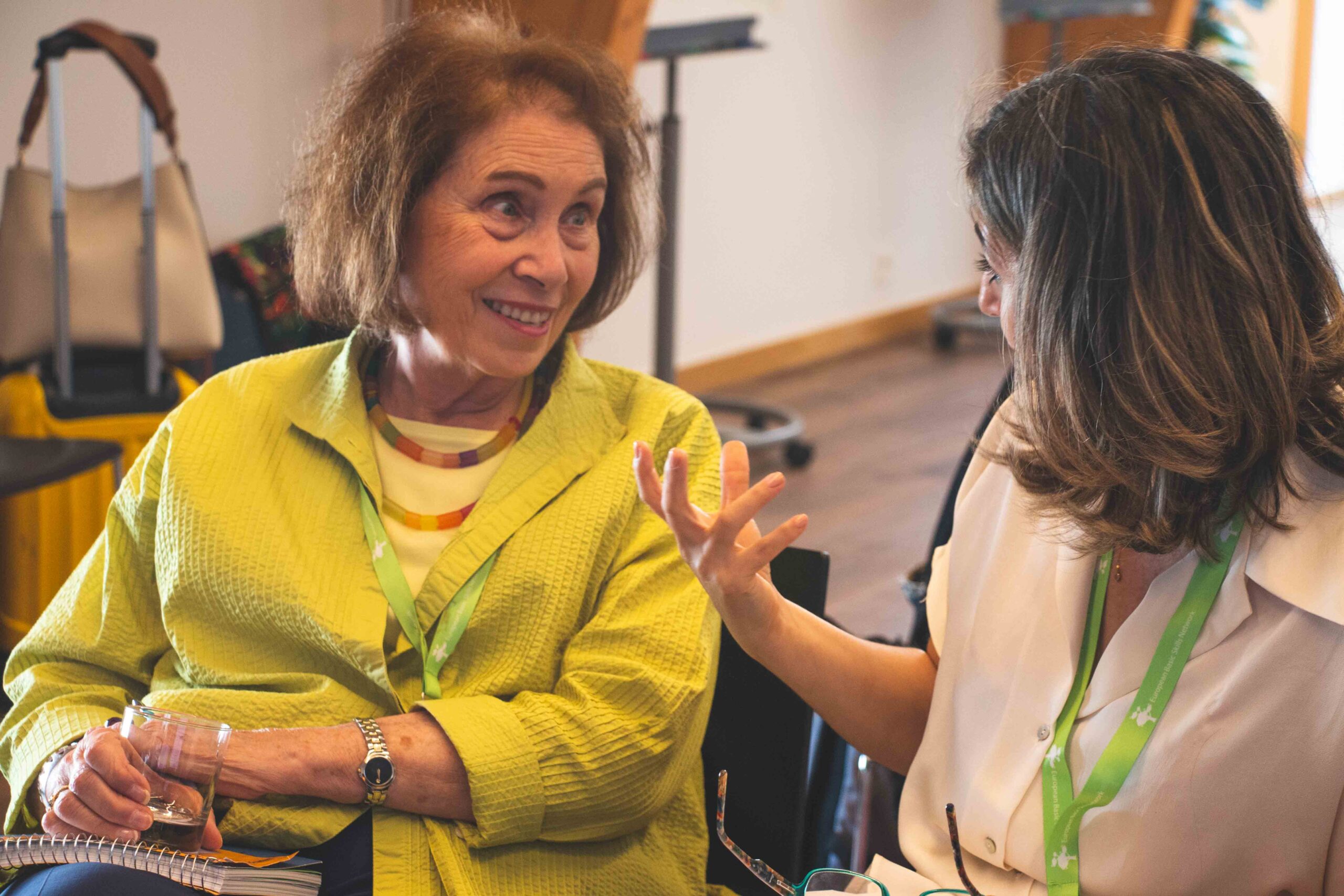
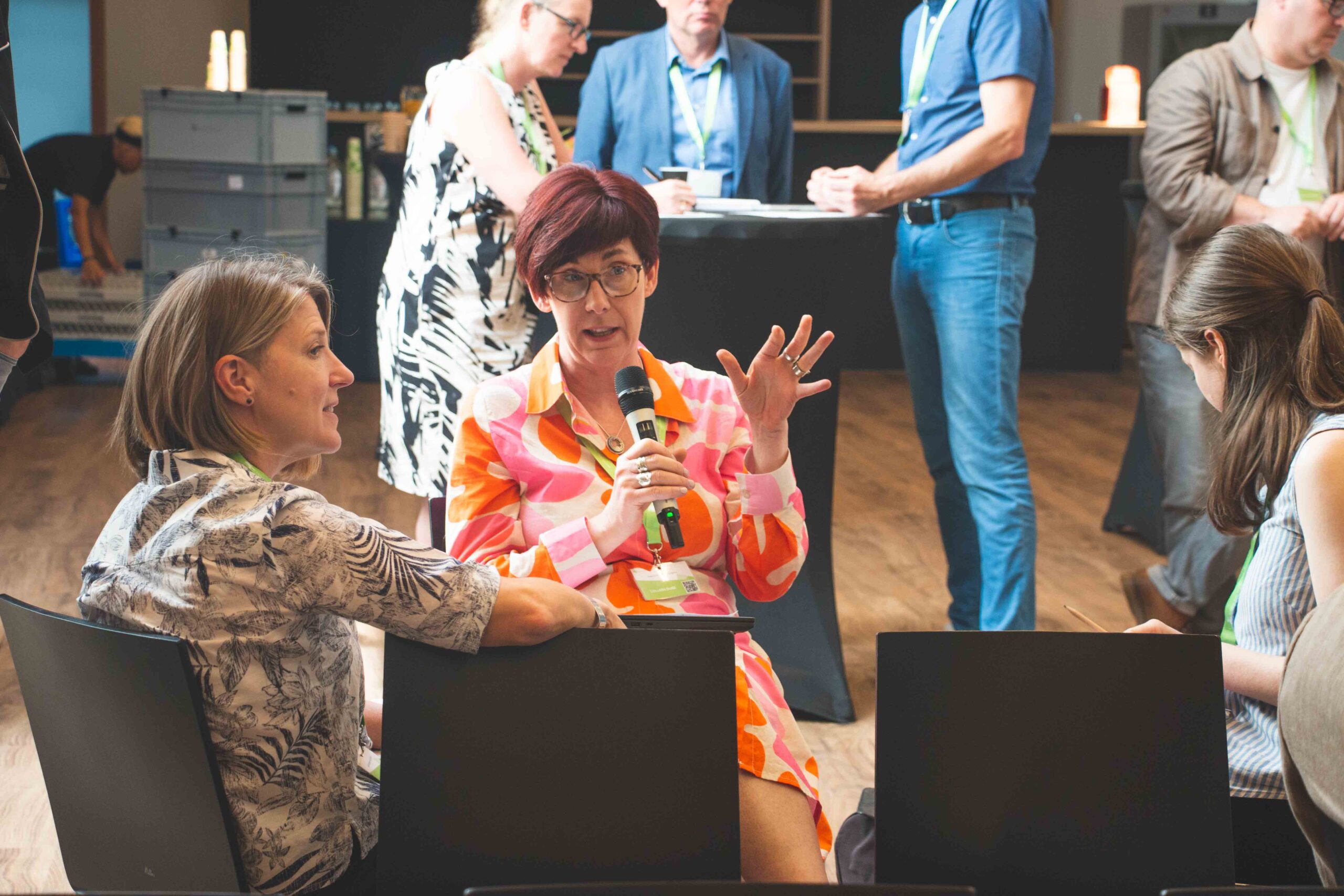
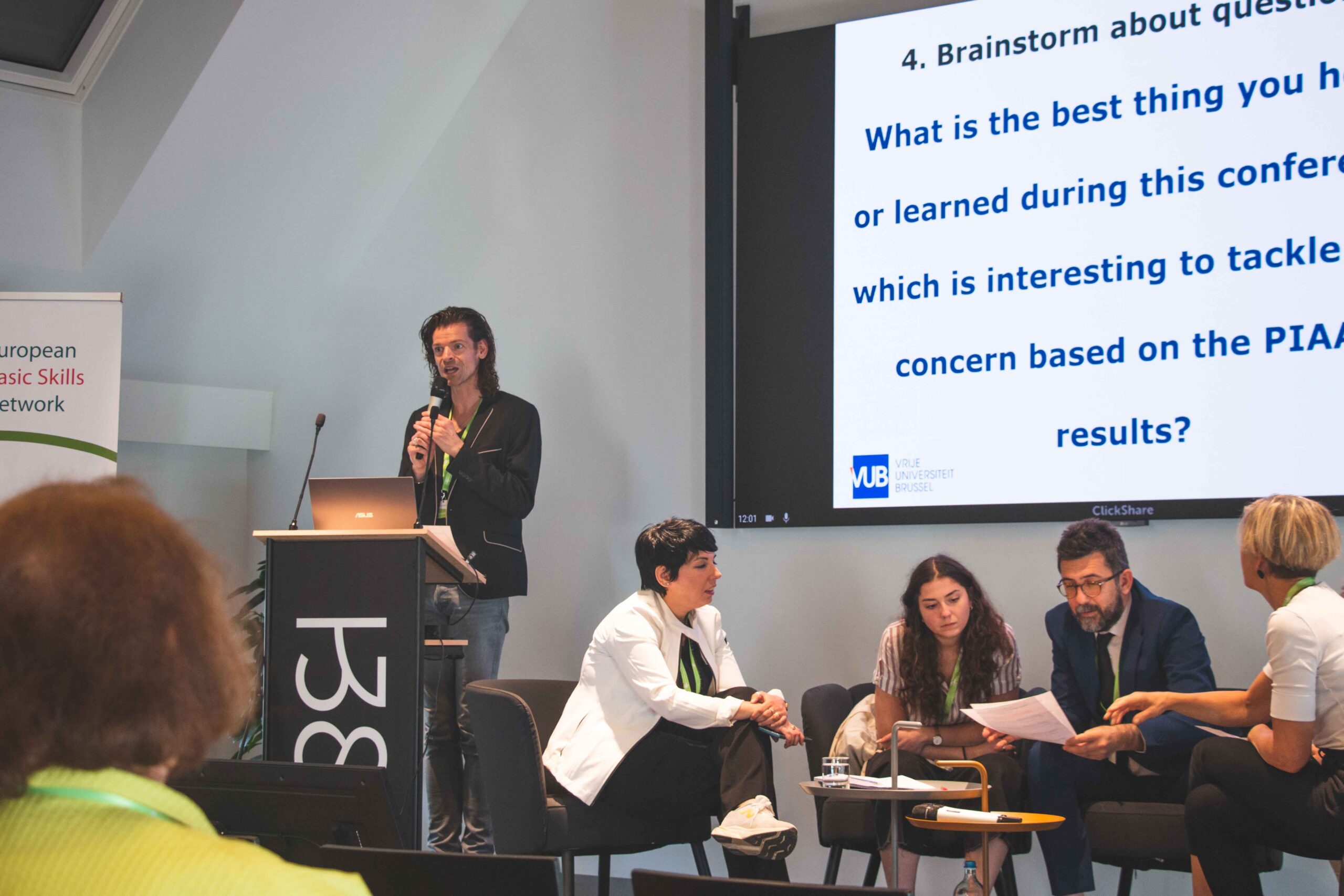
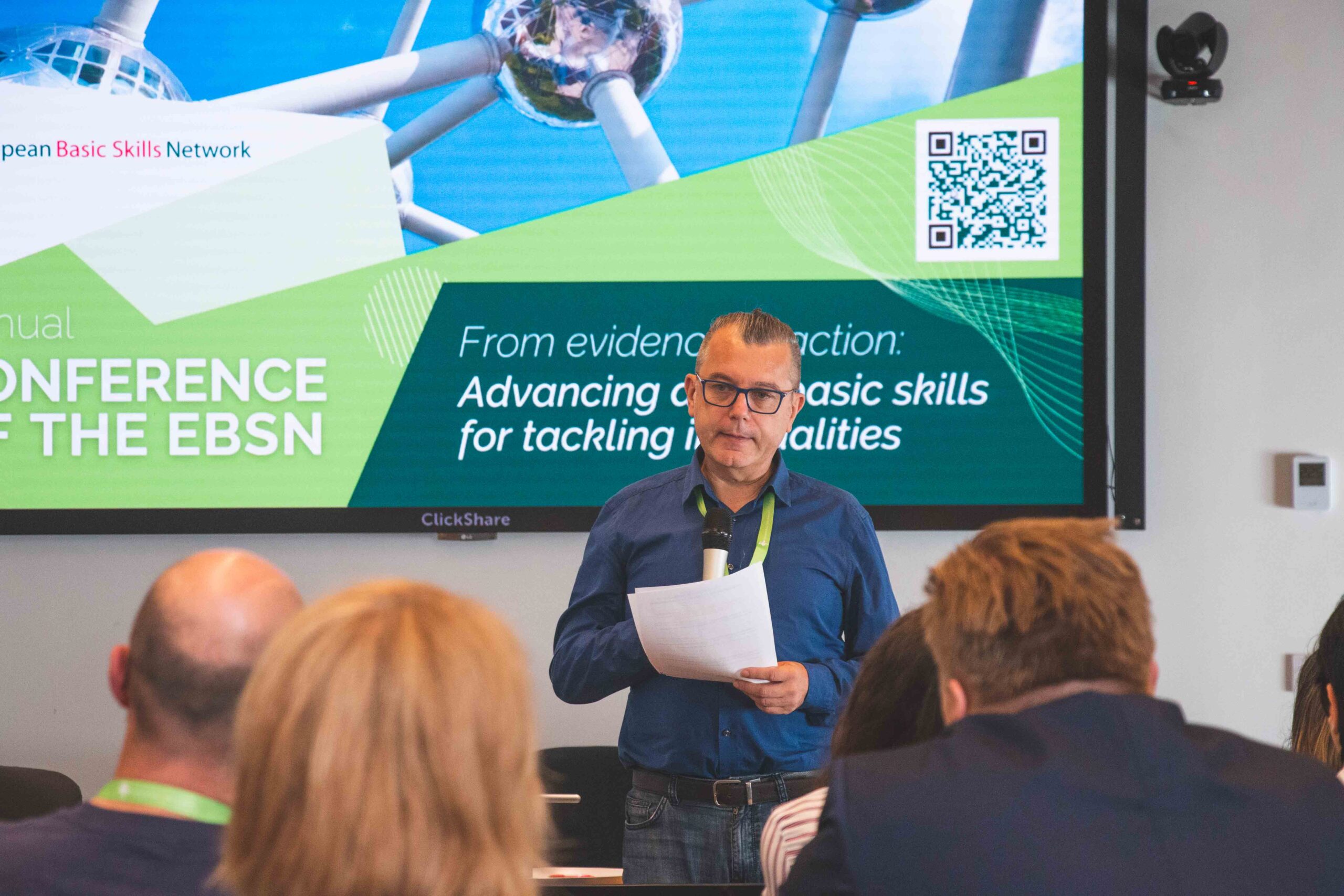
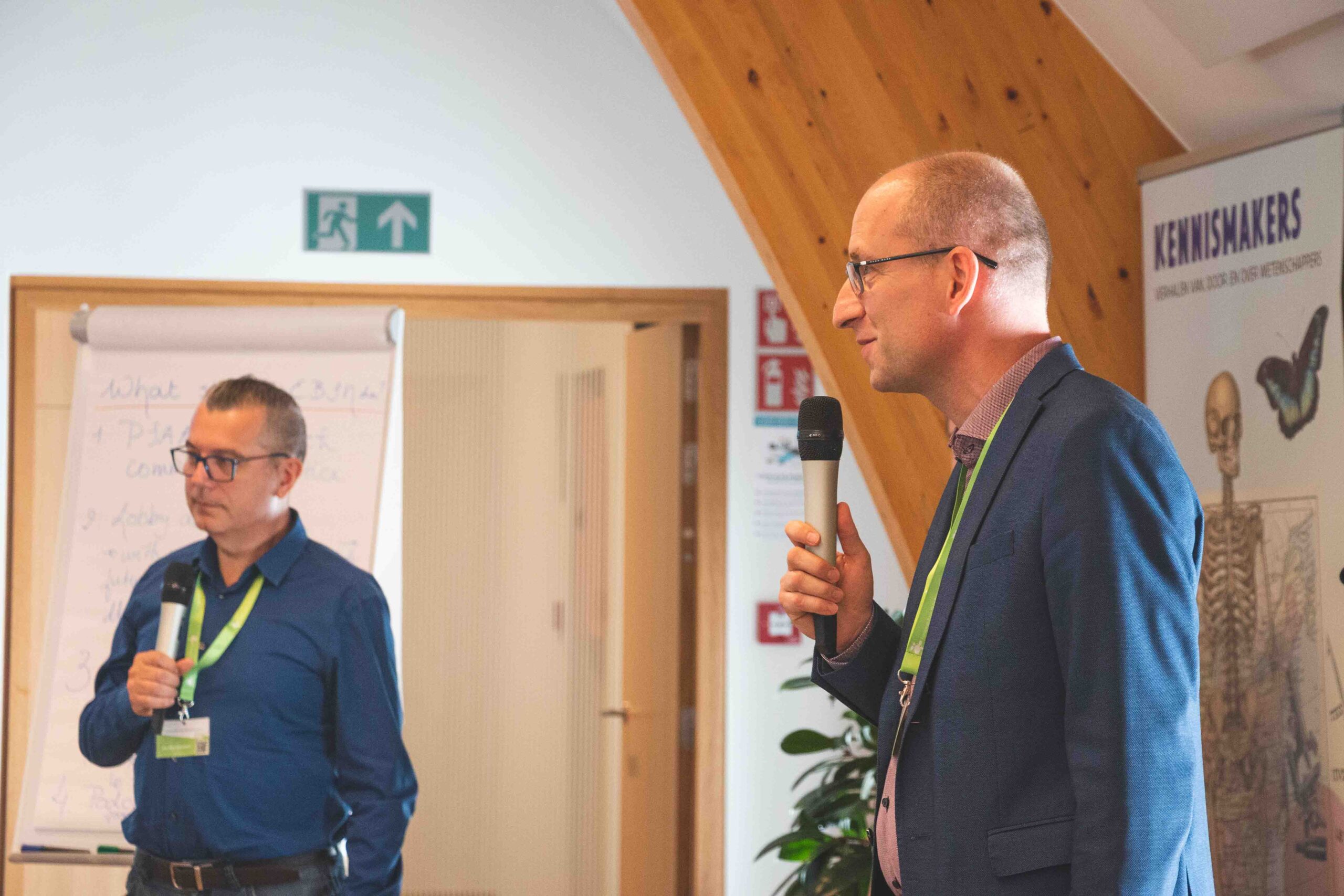
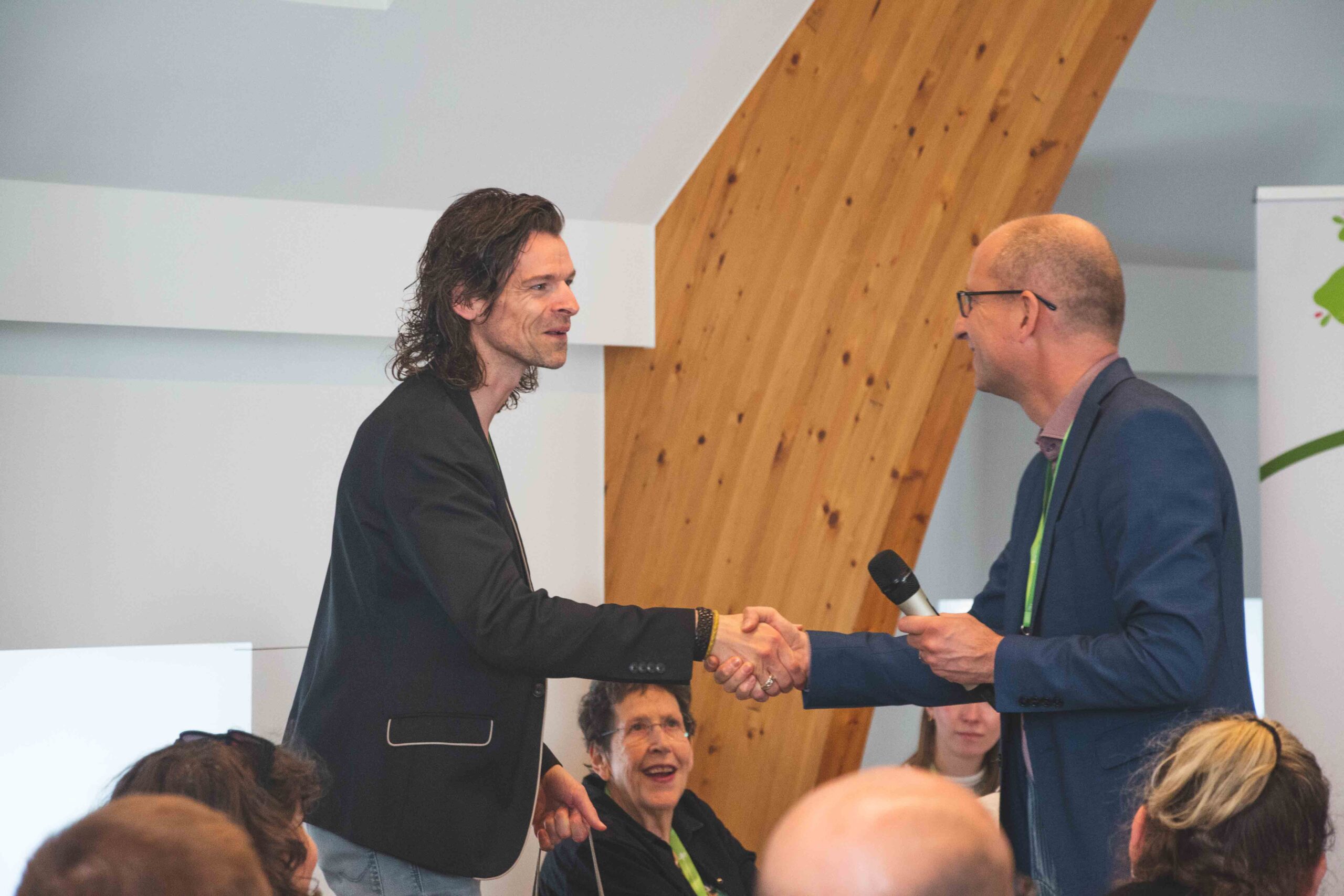
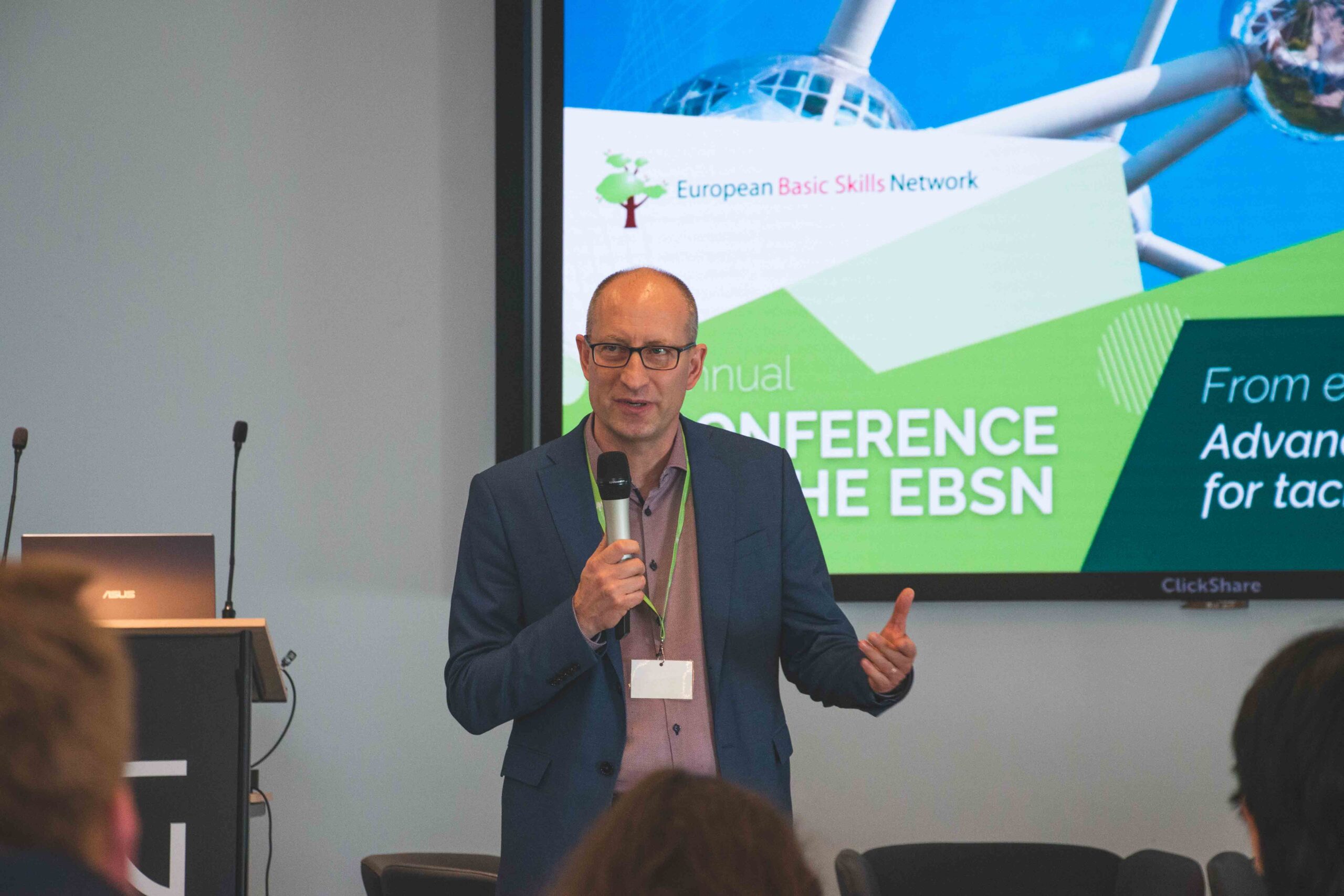
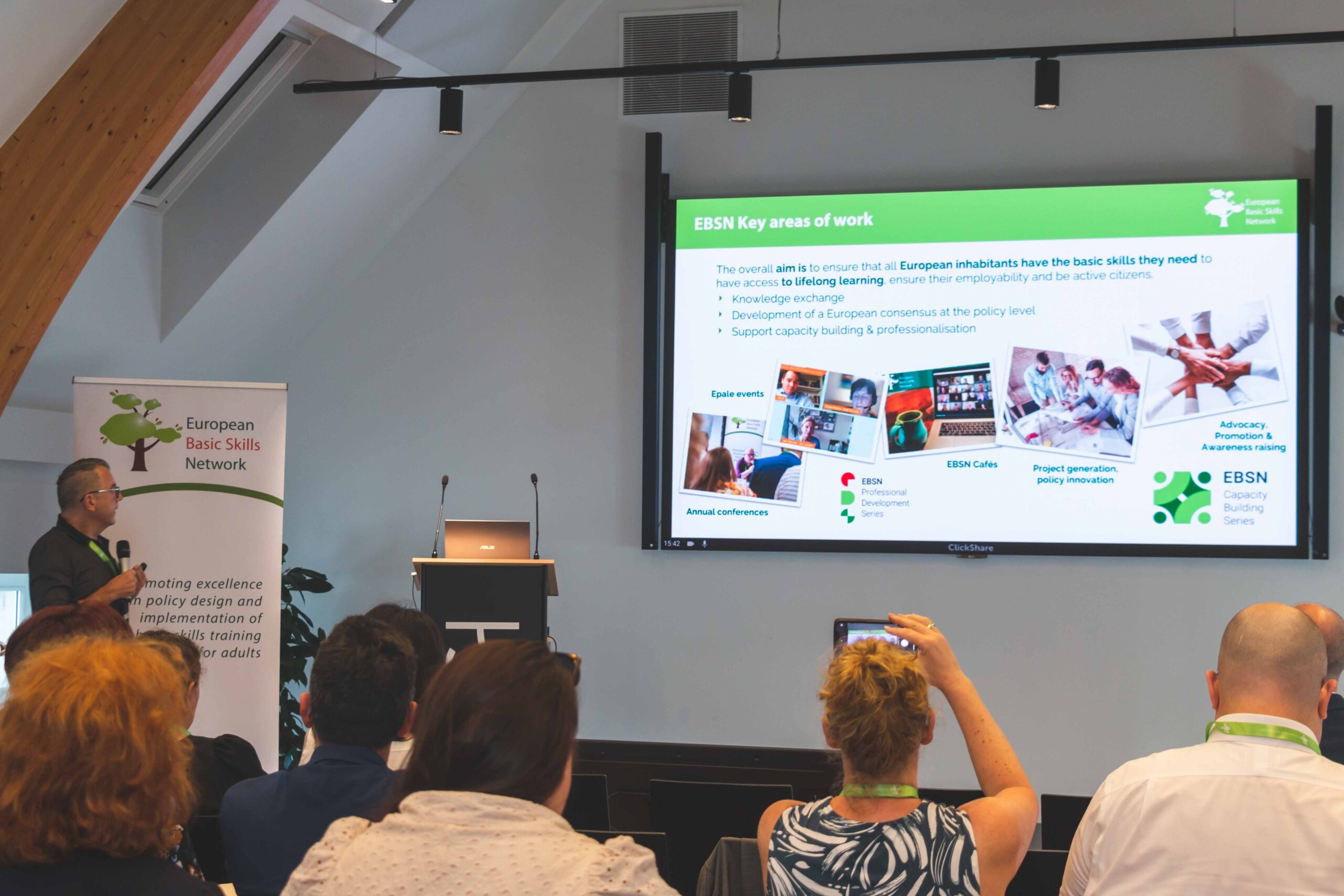
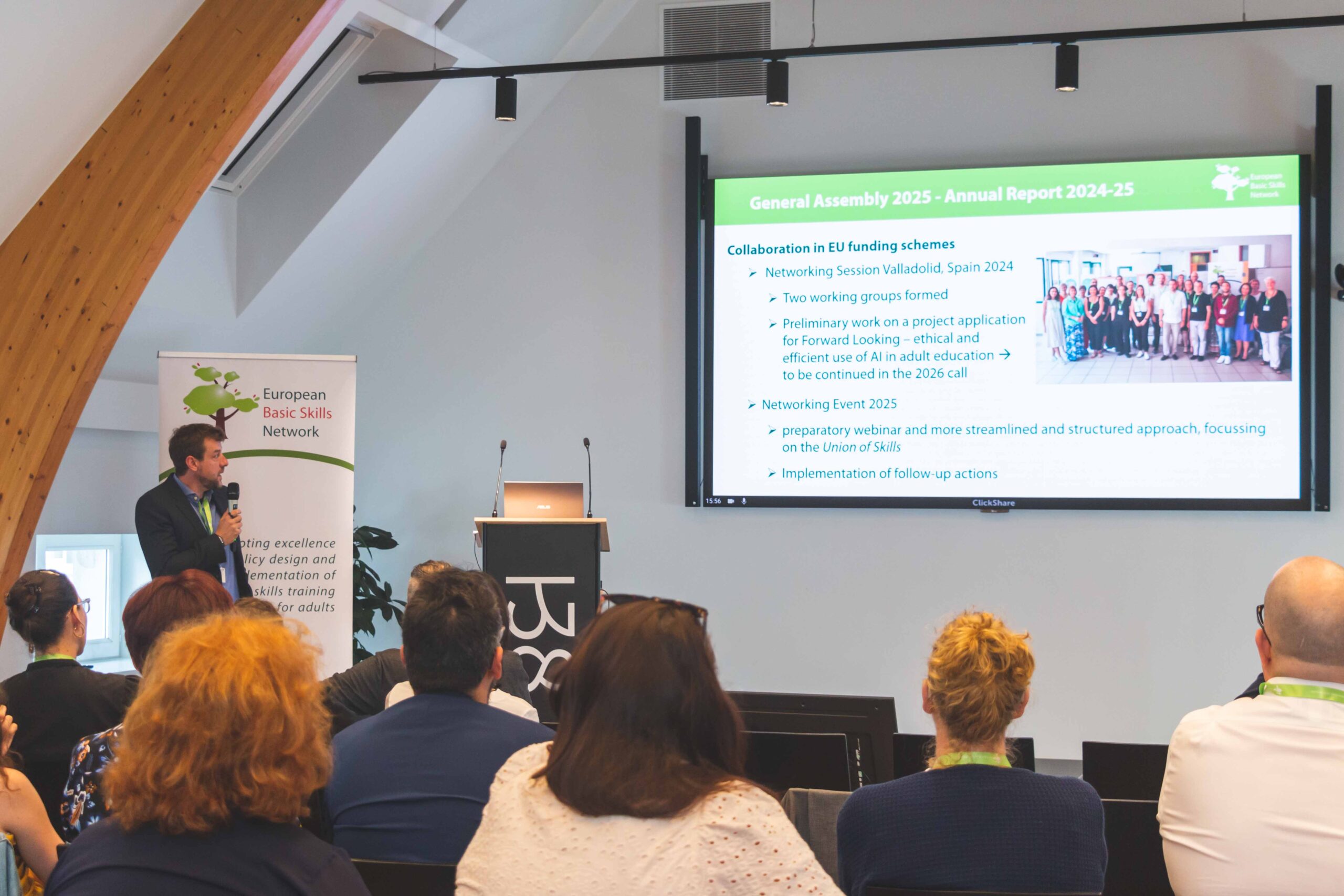
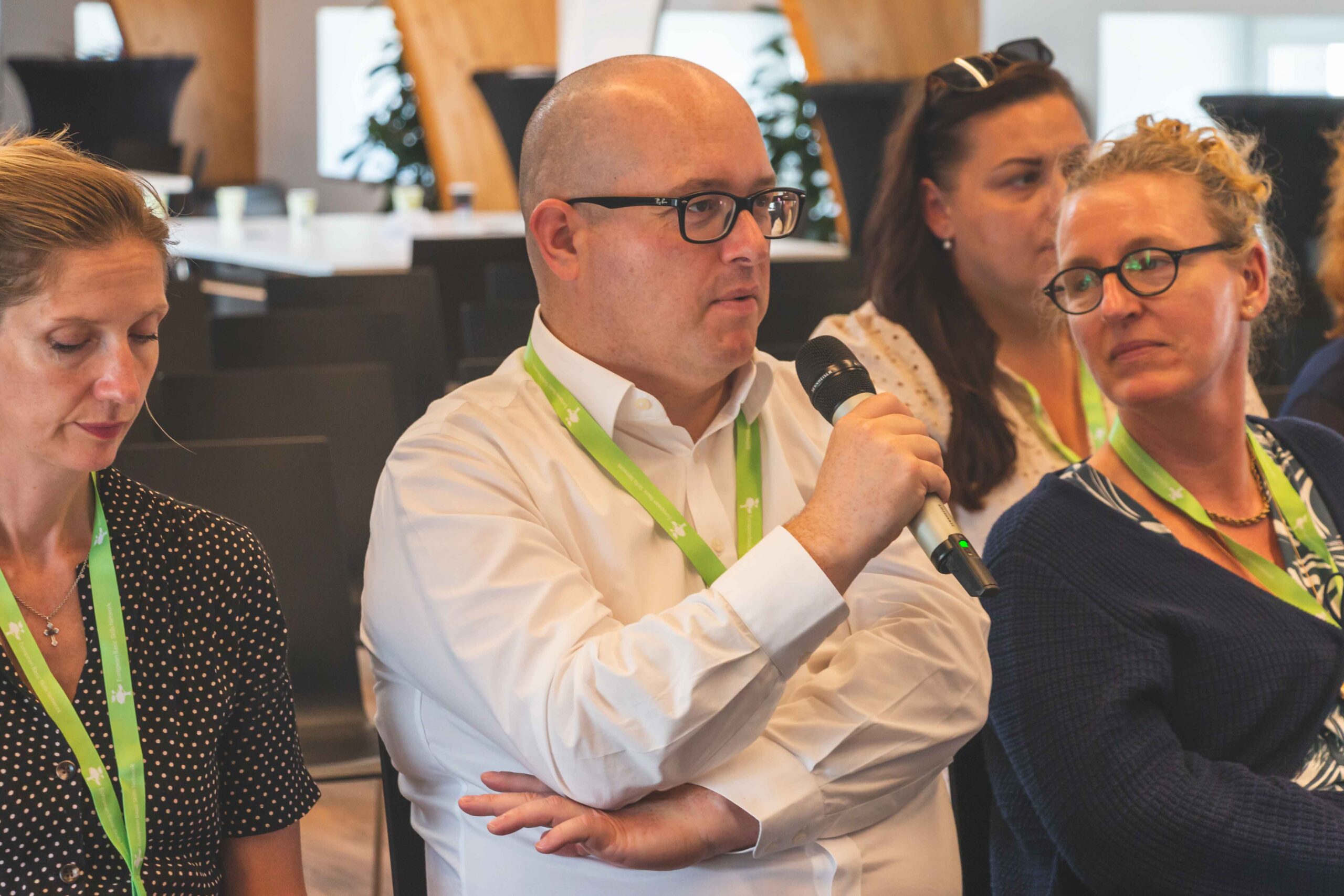
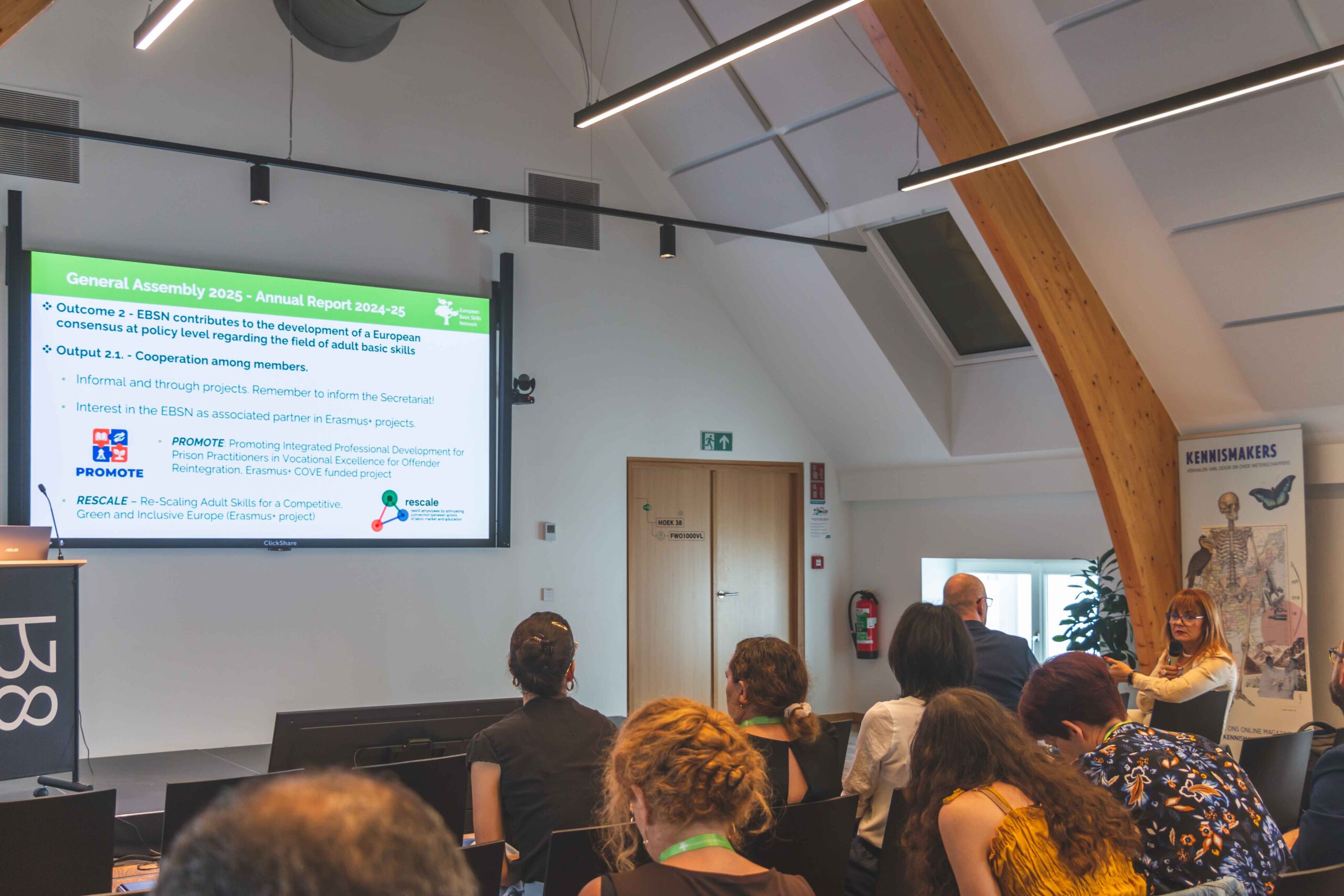
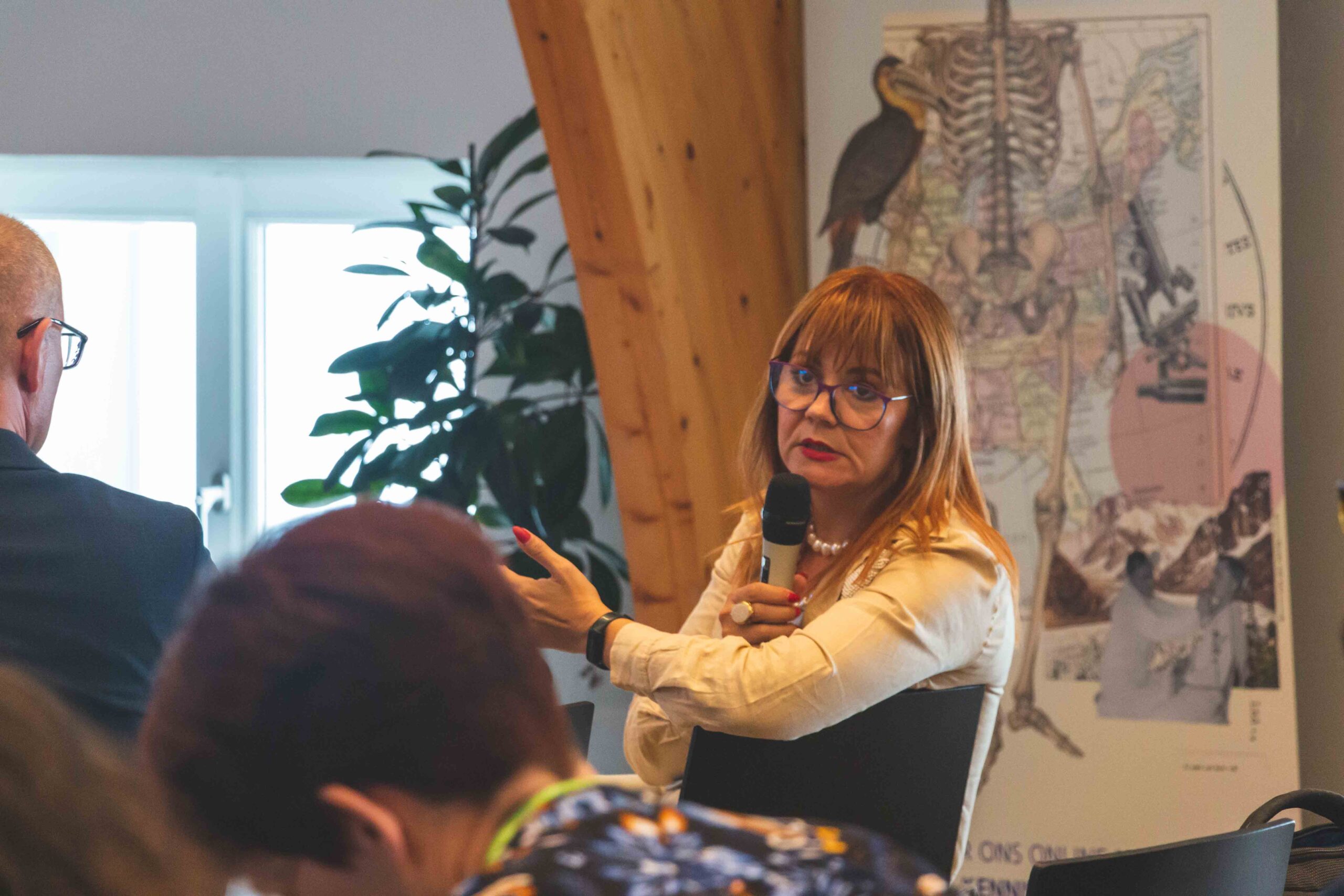
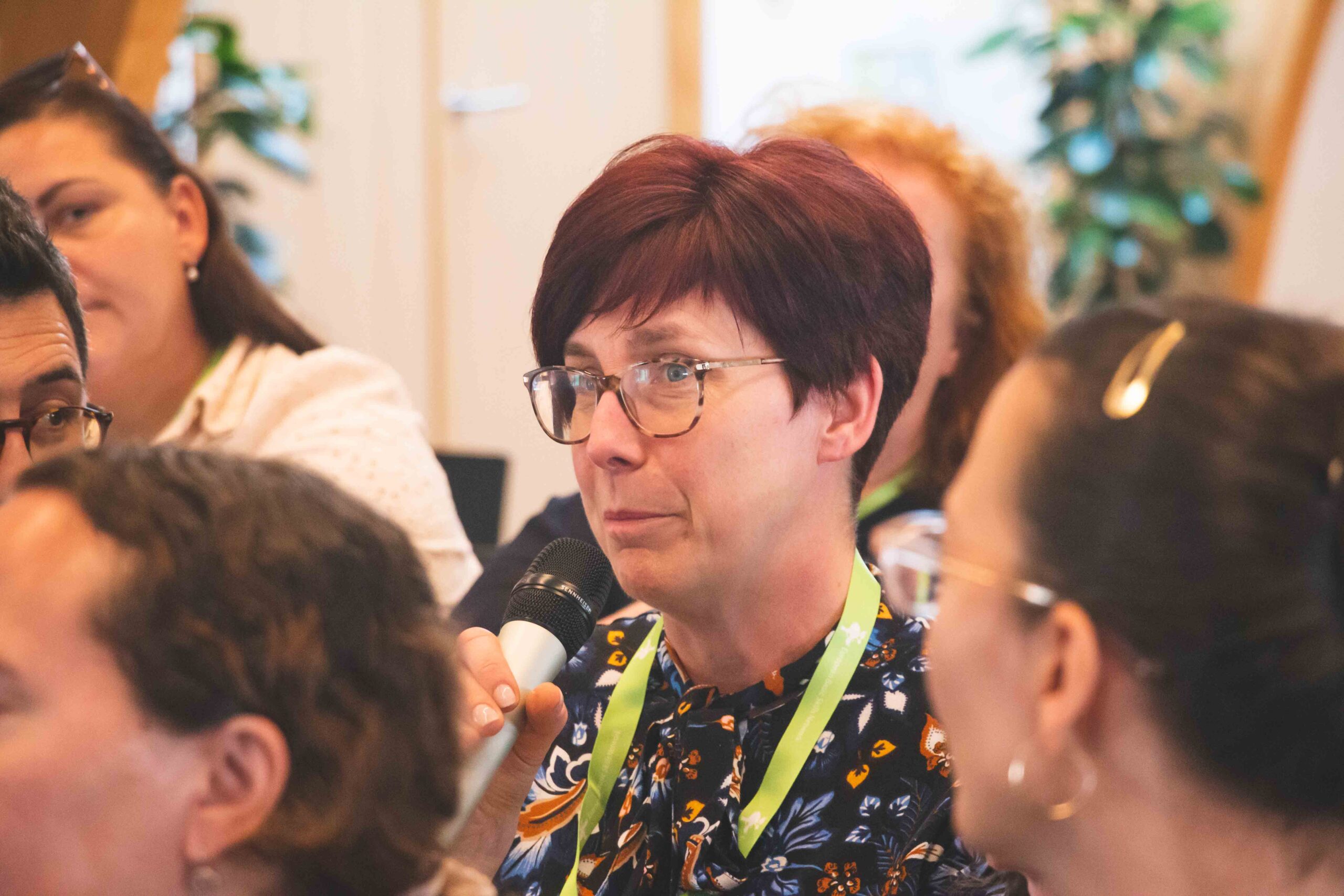
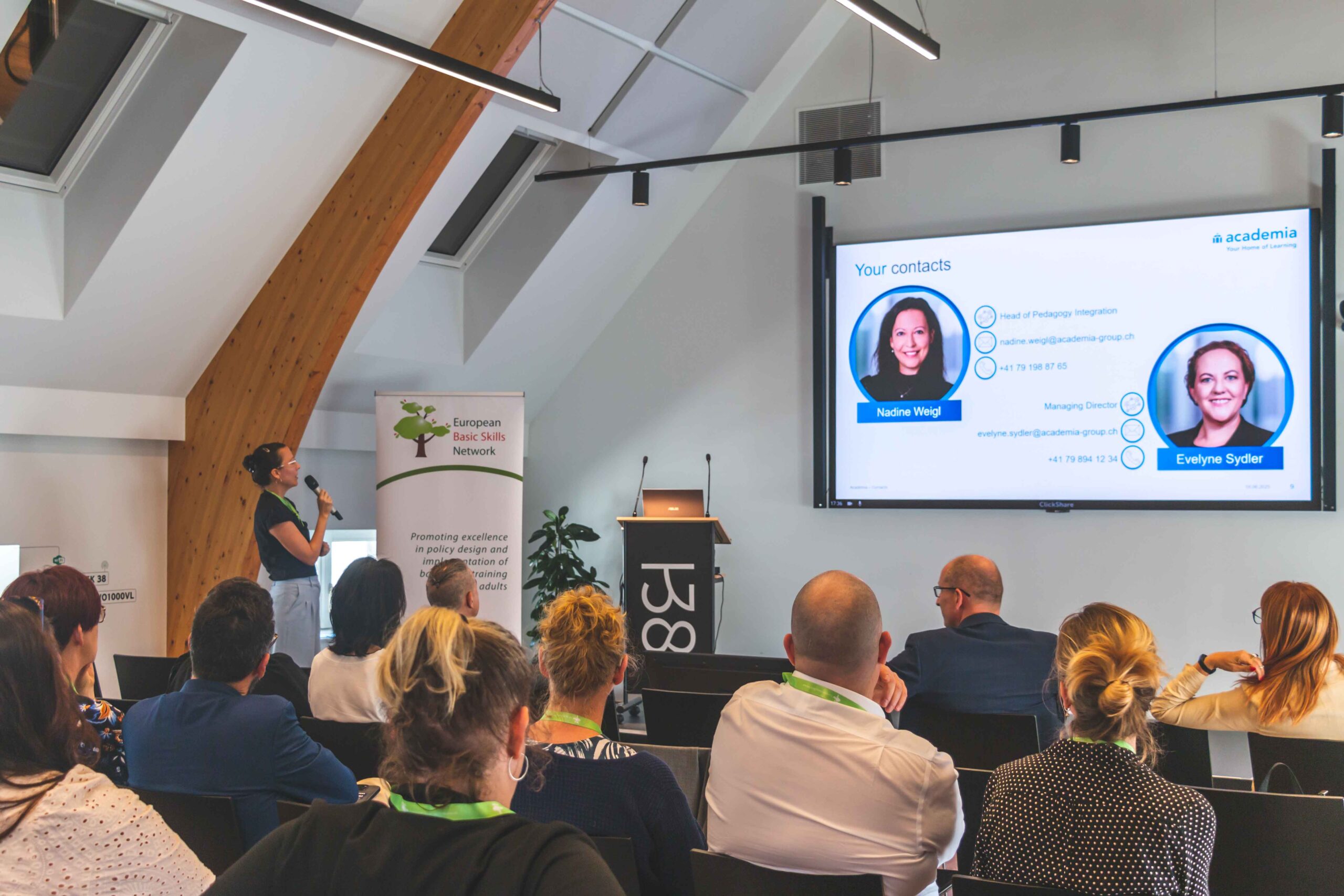
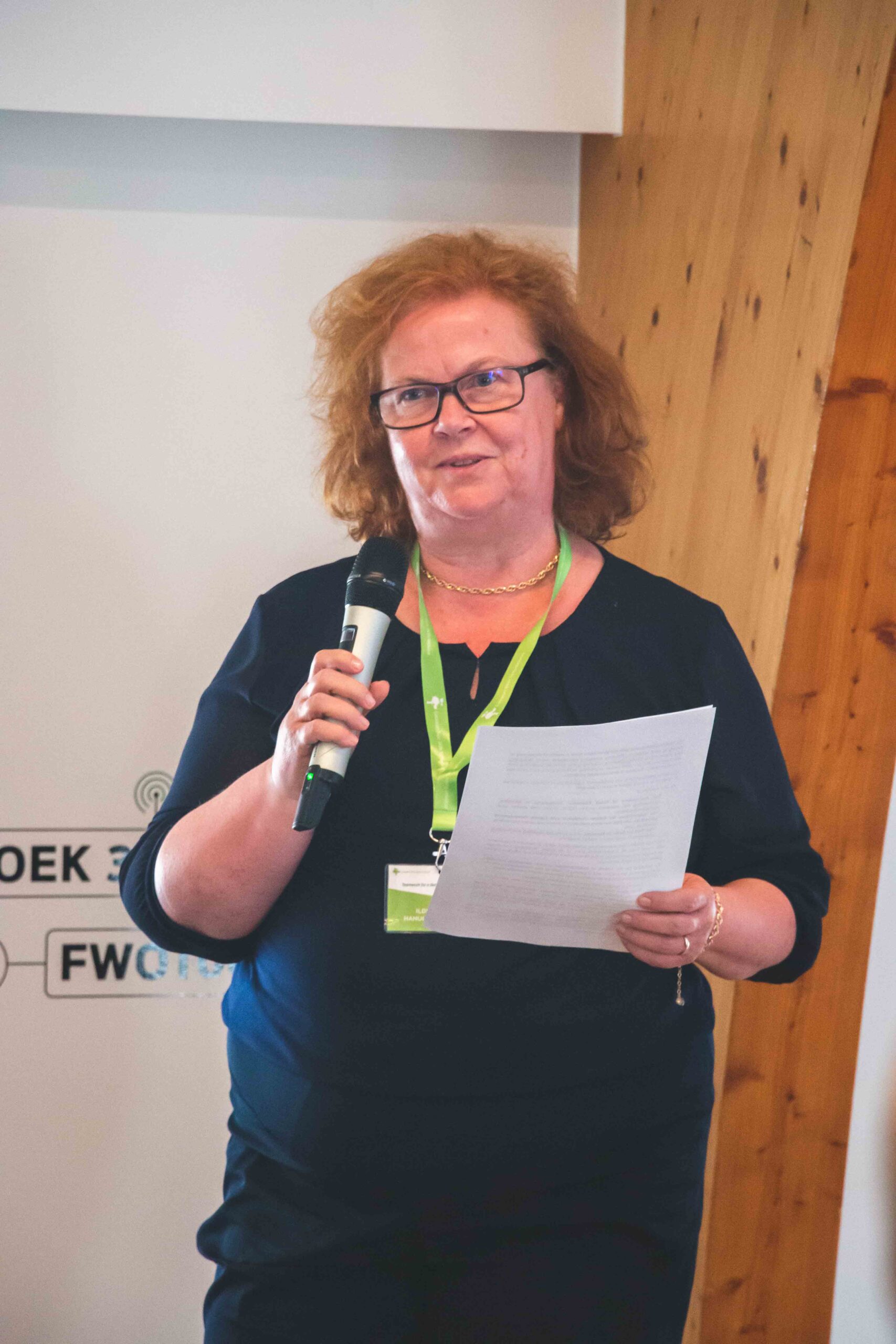
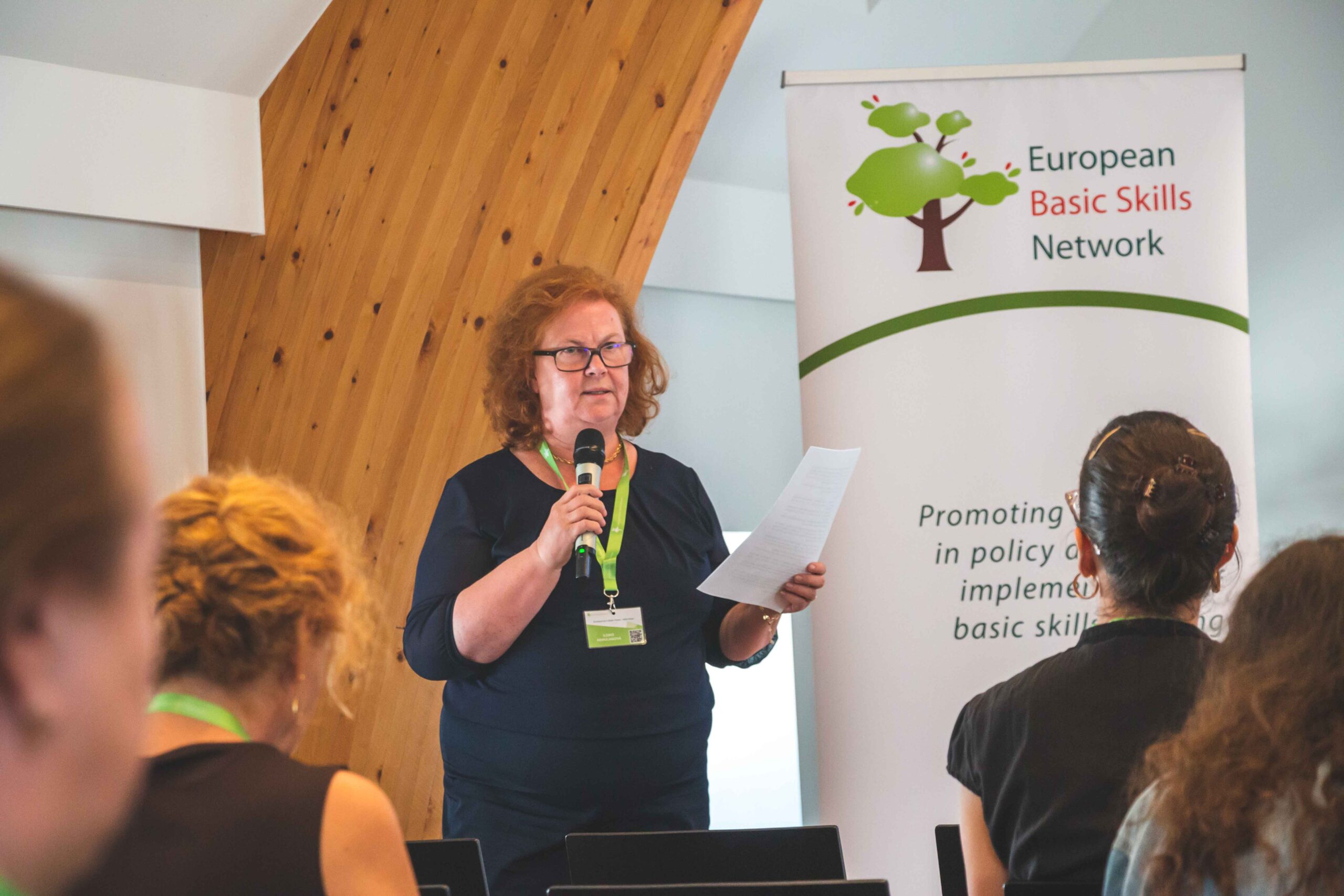
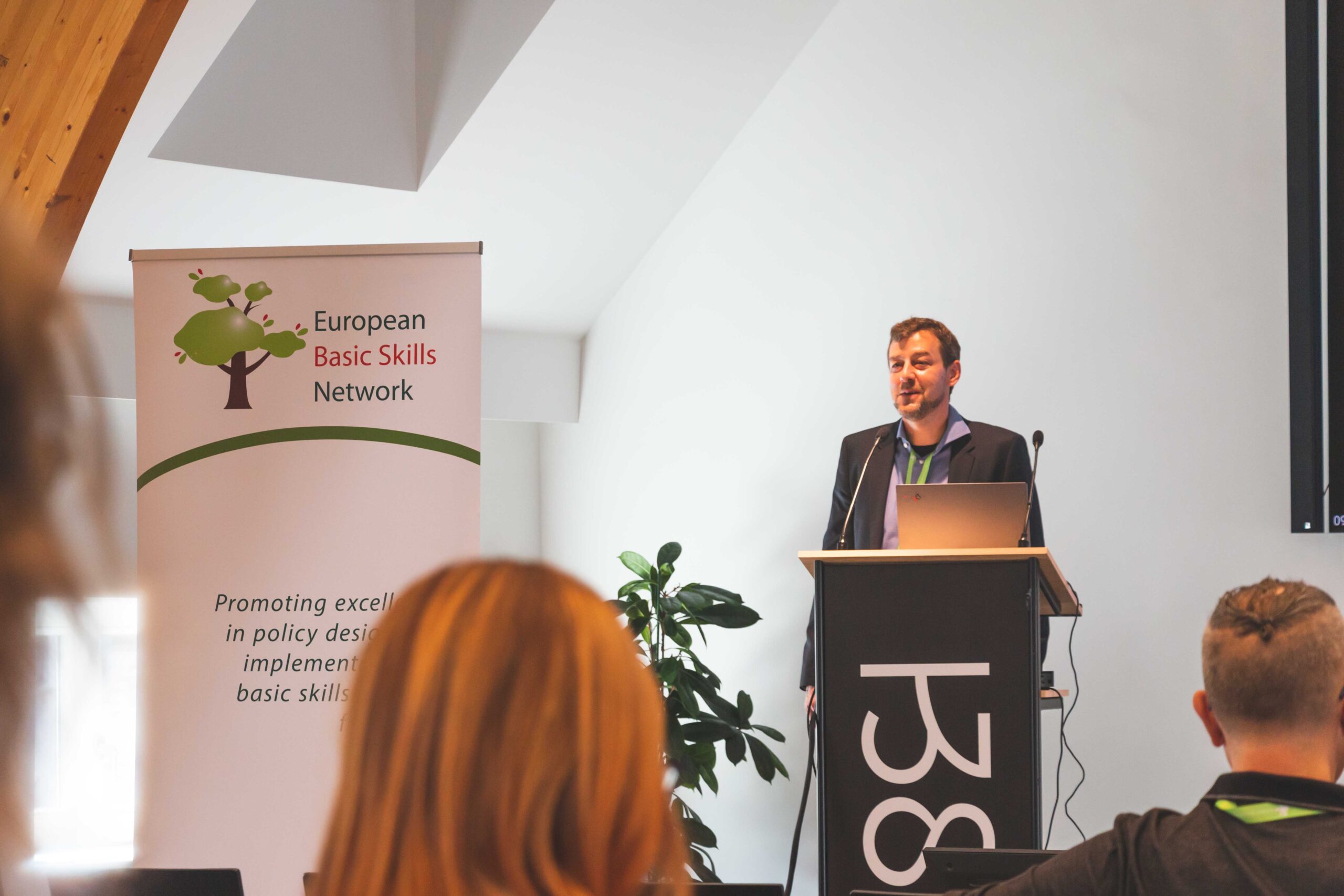
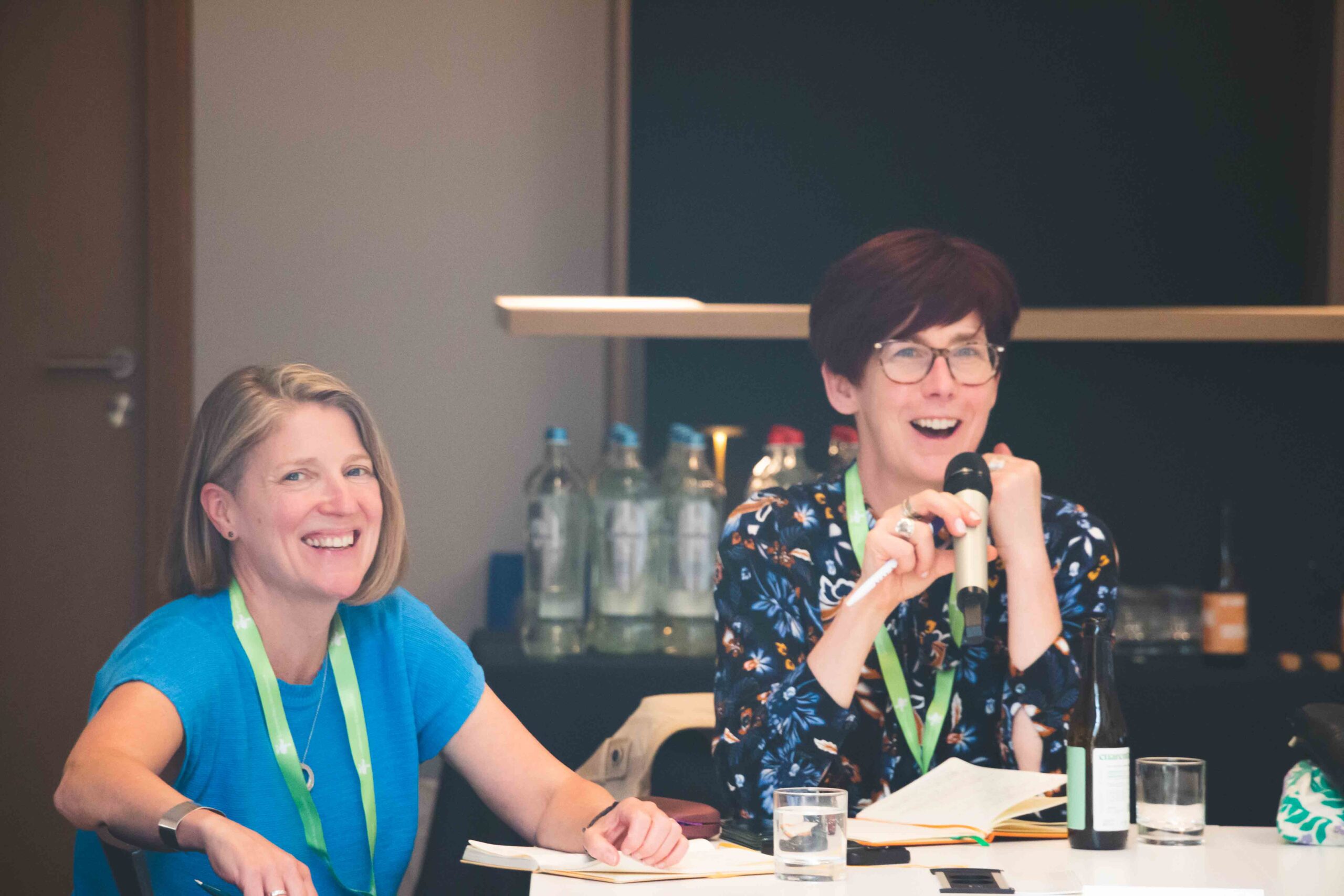
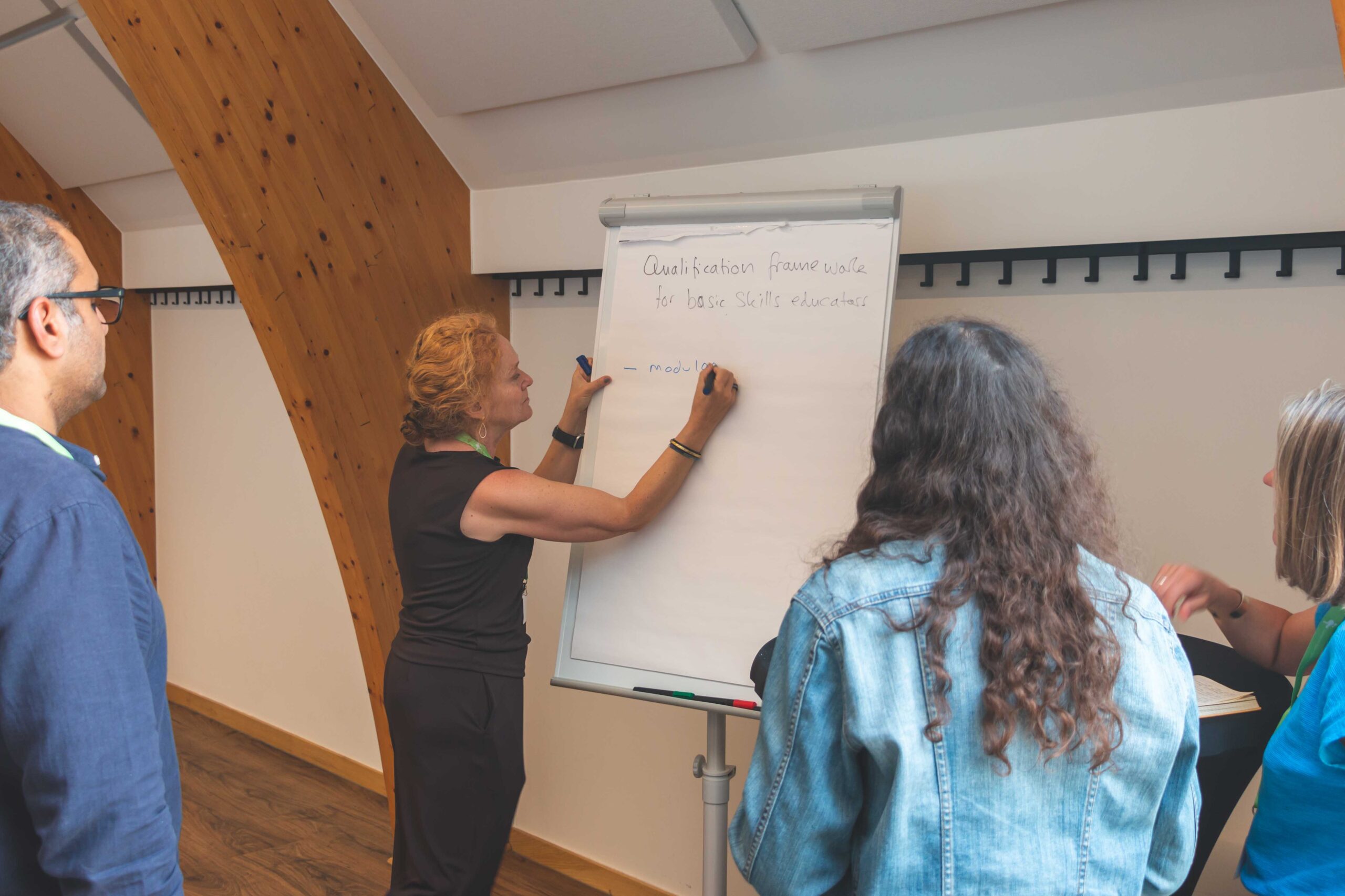
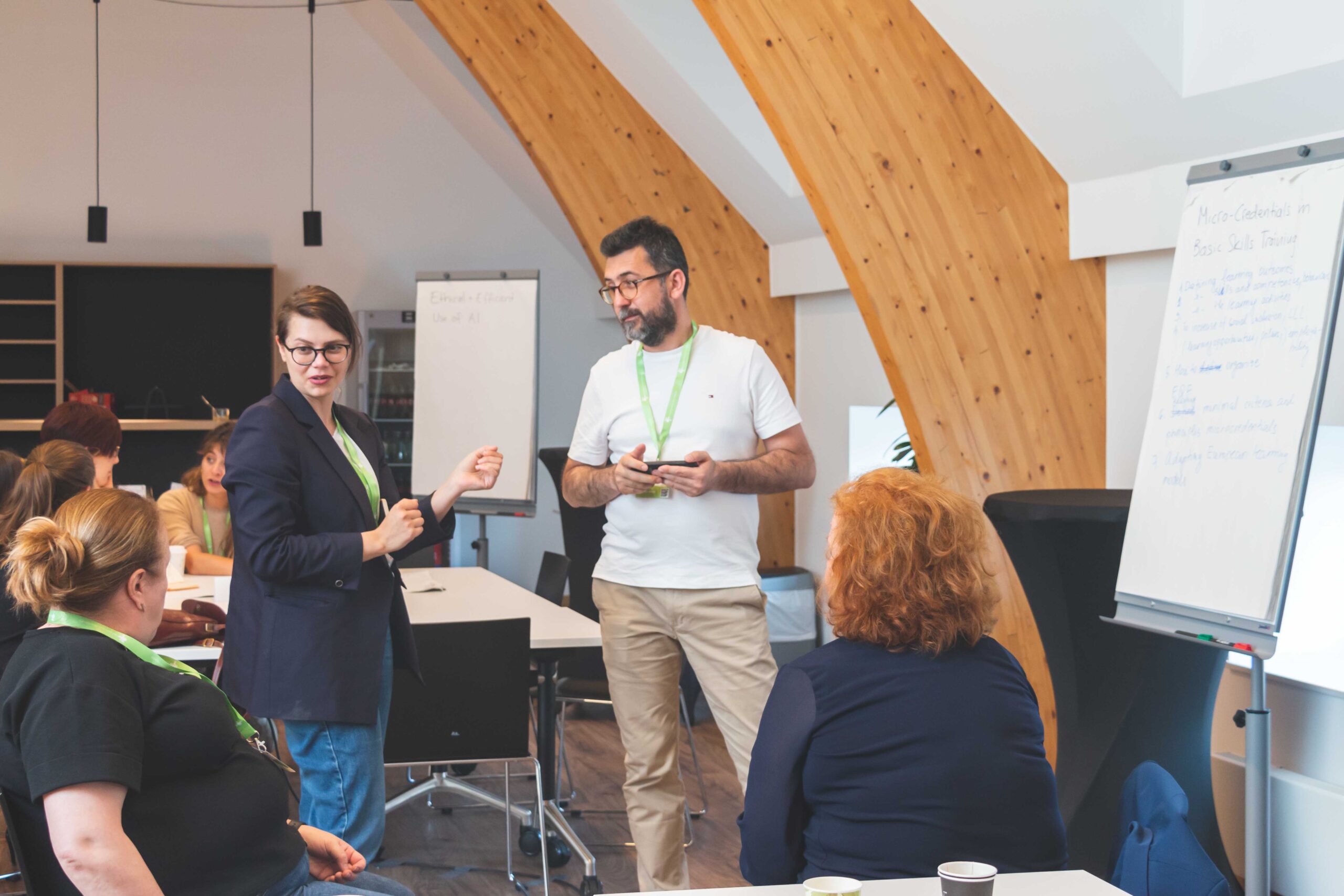
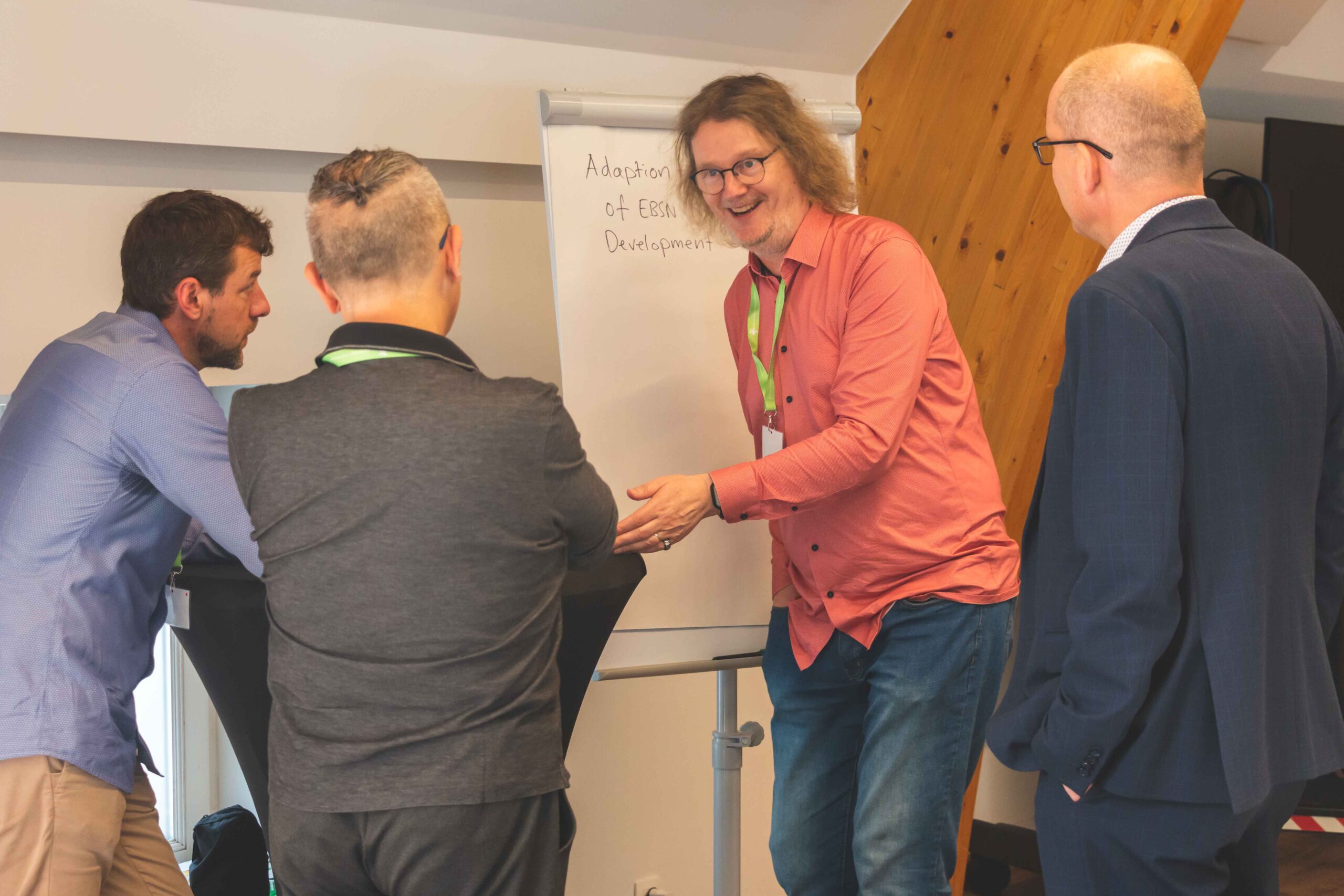
conference programme
Explore the full programme of the EBSN Annual Conference, including session titles, descriptions, and speaker details. Below, you’ll find all content organised in accordions with speaker profiles, photos, and session overviews. A downloadable PDF is also available.
Please note that the programme is subject to updates.


Speakers
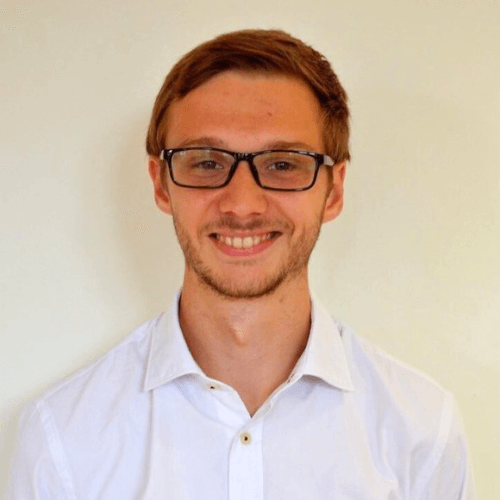
Ewoud de Sadeleer

Bram De Wever
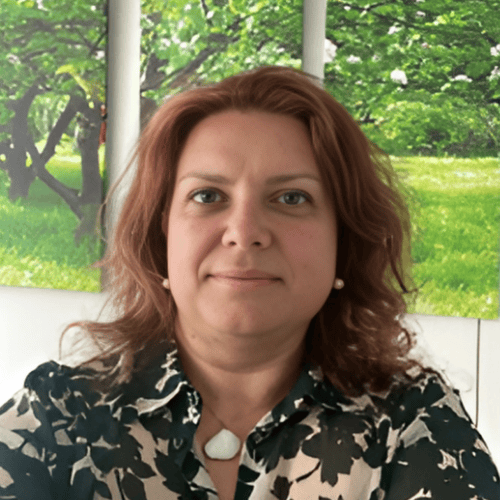
Andreea Diana Spiridon

Anja Meierkord

Gina Ebner
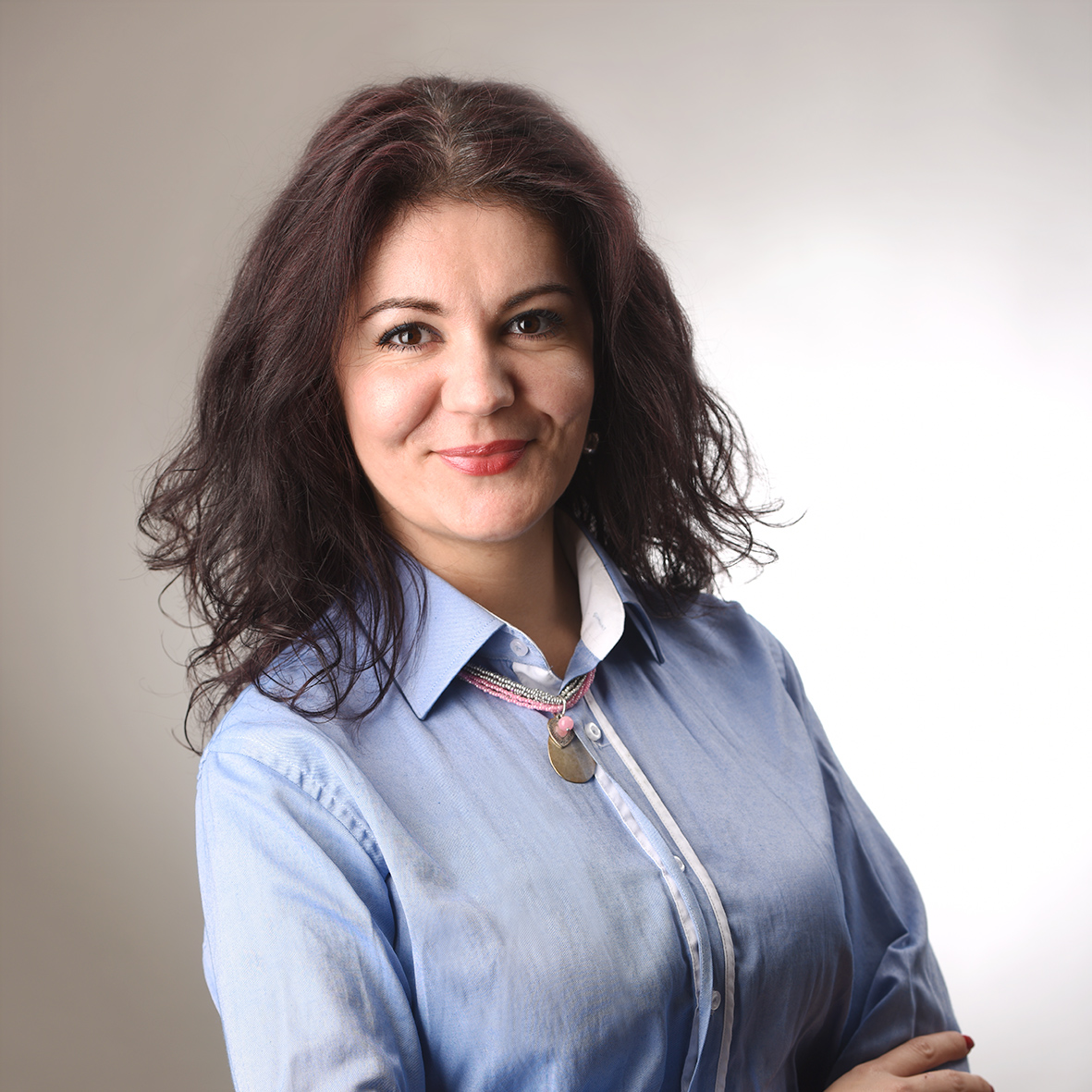
Daiana Huber

David Mekkaoui
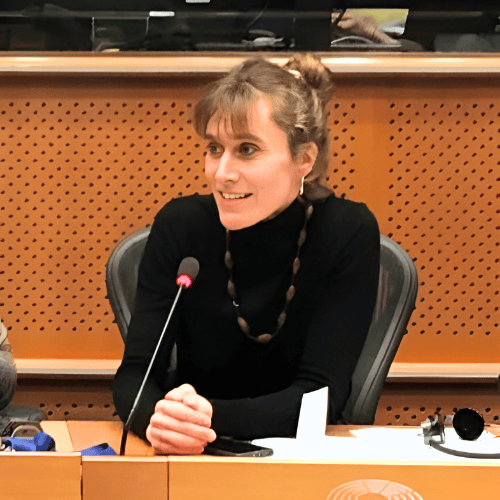
Louise Culot
- 09:00
Registration and Coffee
- 09:30
Welcome – European Basic Skills Network and Local Partners
-
June 19th
Thursday
- 09:40
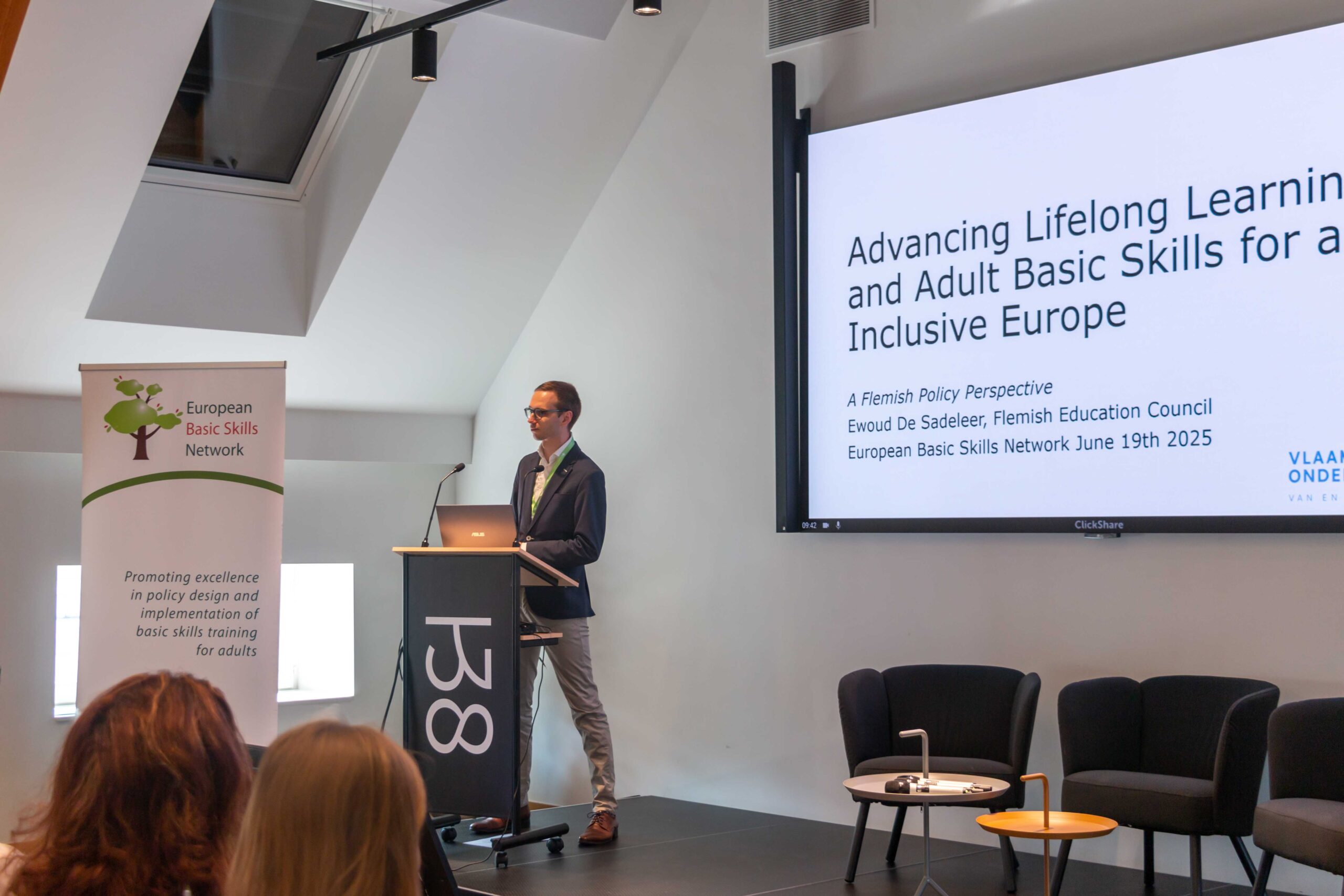
Advancing Lifelong Learning and Adult Basic Skills for an Inclusive Europe: A Flemish Policy Perspective
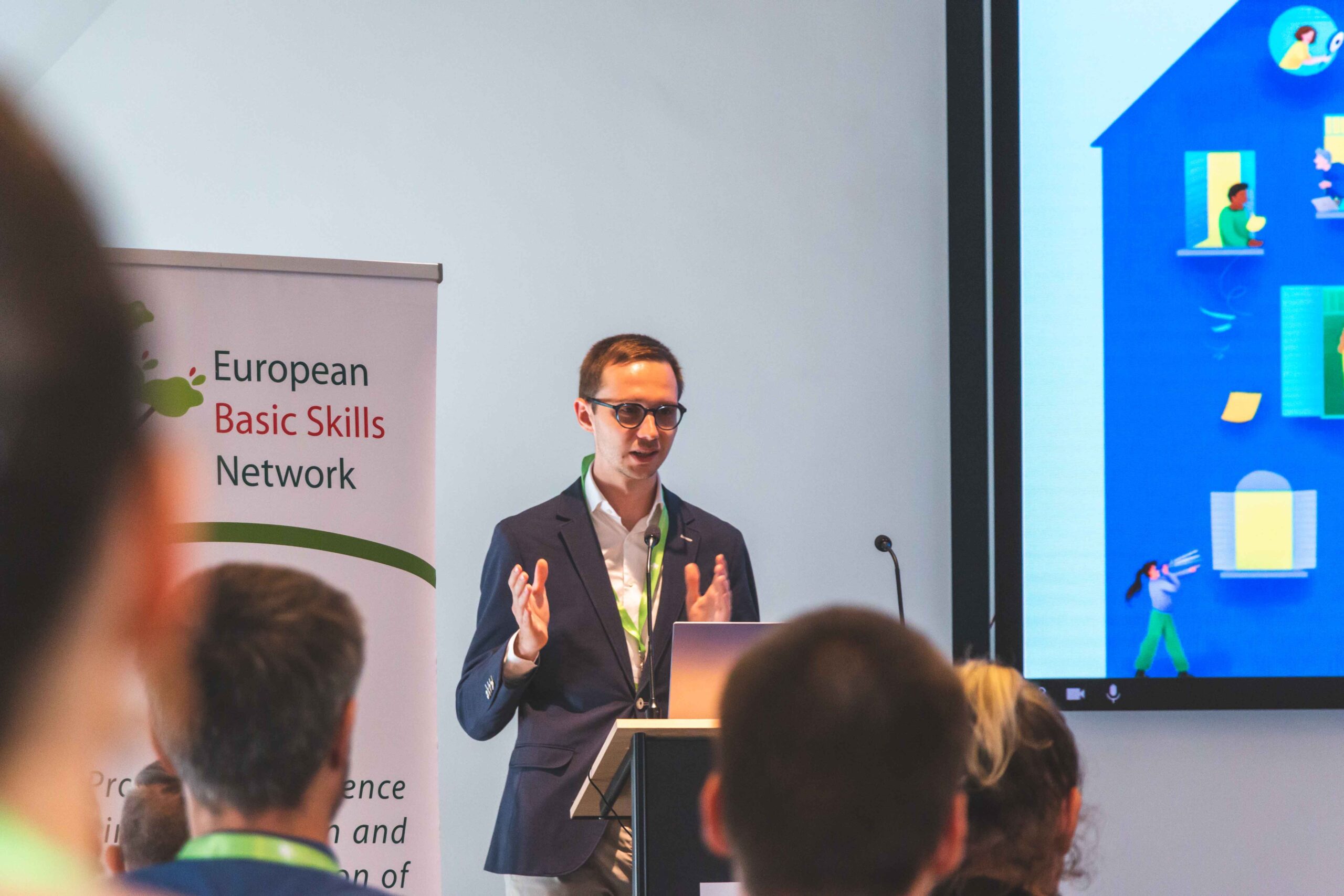
Ewoud de Sadeleer, representing the Vlaamse Onderwijsraad (Flemish Education Council), will open the first day of the conference with a keynote address on Flanders’ strategic approach to lifelong learning and adult basic skills. Welcoming the conference participants on behalf of the Flemish Host delegation, he will outline how regional policy efforts contribute to building a more inclusive Europe. The presentation will highlight key initiatives supporting adults with low levels of basic skills and explore how these efforts are aligned with European-level priorities such as the Union of Skills. Ewoud will also reflect on the role of stakeholder cooperation, policy coherence, and grassroots innovation in making lifelong learning a reality for all.
<strong>Ewoud de Sadeleer</strong><br /><em class="subtitle">Vlaamse Onderwijsraad (Flemish Education Council)</em>
Vlaamse Onderwijsraad (Flemish Education Council) (BE)
Position: Policy Officer
Country: Belgium
Ewoud De Sadeleer serves as a policy officer for the Flemish Education Council, where he authored the strategic policy paper on adult literacy in Flanders. His work supports the Council’s mission to provide informed advice to the Flemish Ministry of Education and Lifelong Learning.
-
June 19th
Thursday
- 09:40
Advancing Lifelong Learning and Adult Basic Skills for an Inclusive Europe: A Flemish Policy Perspective
Ewoud de Sadeleer, representing the Vlaamse Onderwijsraad (Flemish Education Council), will open the first day of the conference with a keynote address on Flanders’ strategic approach to lifelong learning and adult basic skills. Welcoming the conference participants on behalf of the Flemish Host delegation, he will outline how regional policy efforts contribute to building a more inclusive Europe. The presentation will highlight key initiatives supporting adults with low levels of basic skills and explore how these efforts are aligned with European-level priorities such as the Union of Skills. Ewoud will also reflect on the role of stakeholder cooperation, policy coherence, and grassroots innovation in making lifelong learning a reality for all.
<strong>Ewoud de Sadeleer</strong><br /><em class="subtitle">Vlaamse Onderwijsraad (Flemish Education Council)</em>
Position: Policy Officer
Country: Belgium
Ewoud De Sadeleer serves as a policy officer for the Flemish Education Council, where he authored the strategic policy paper on adult literacy in Flanders. His work supports the Council’s mission to provide informed advice to the Flemish Ministry of Education and Lifelong Learning.
-
June 19th
Thursday
- 10:00

PIAAC Results and Flanders
coming soon
<strong>Bram De Wever</strong><br /><em class="subtitle">Professor, Ghent University (UGent) and Promotor of PIAAC in Flanders</em>
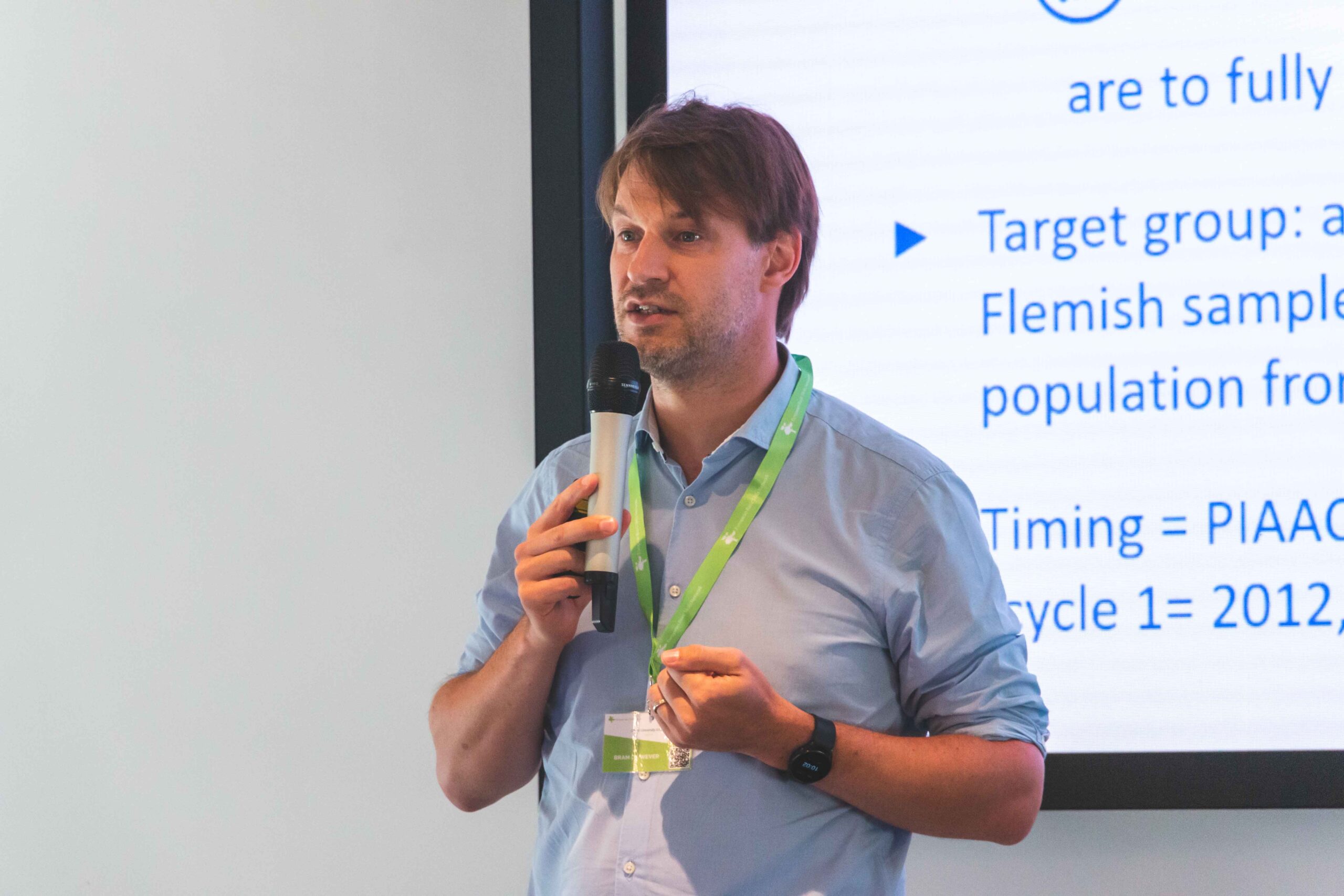
Bram De Wever is a professor in the field of learning and instruction at the Department of Educational Studies at Ghent University, Belgium. His research centers on technology enhanced learning and instruction, peer assessment and feedback, and collaborative learning and writing activities. More recently, he is also involved in projects focusing on professional development and lifelong learning. He is the supervisor of the Flemish Research team of PIAAC (Programme for the International Assessment of Adult Competencies) cycle 2.
-
June 19th
Thursday
- 10:00
PIAAC Results and Flanders
coming soon
<strong>Bram De Wever</strong><br /><em class="subtitle">Professor, Ghent University (UGent) and Promotor of PIAAC in Flanders</em>
Bram De Wever is a professor in the field of learning and instruction at the Department of Educational Studies at Ghent University, Belgium. His research centers on technology enhanced learning and instruction, peer assessment and feedback, and collaborative learning and writing activities. More recently, he is also involved in projects focusing on professional development and lifelong learning. He is the supervisor of the Flemish Research team of PIAAC (Programme for the International Assessment of Adult Competencies) cycle 2.
- 10:20
Reflection and Q&A: Flemish Policy and PIAAC Insights
-
June 19th
Thursday
- 10:30
Adult Skills and Inequality: Insights from PIAAC to Shape Inclusive Policies
coming soon
<strong>Anja Meierkord</strong><br /><em class="subtitle">Analyst, Directorate for Education and Skills, OECD</em>
Anja Meierkord is an adult learning expert and PIAAC analyst at the OECD’s Directorate for Education and Skills. She plays a key role in shaping the future of the Survey of Adult Skills (PIAAC), contributing to the development of its next cycle and analysing data to inform evidence-based policy. She also thinks about how the survey can continue to respond to evolving skills challenges. Prior, Anja worked as a Labour Market Economist at the OECD’s Directorate for Employment, Labour and Social Affairs, where she focused on megatrends, skill needs and adult learning policies. She has also held research positions at the consultancy Ecorys and the EU agency Eurofound. Originally from Germany, Anja holds degrees in econometrics from the University of London and in social policy from the London School of Economics.
-
June 19th
Thursday
- 10:30
Adult Skills and Inequality: Insights from PIAAC to Shape Inclusive Policies
coming soon
<strong>Anja Meierkord</strong><br /><em class="subtitle">Analyst, Directorate for Education and Skills, OECD</em>
Anja Meierkord is an adult learning expert and PIAAC analyst at the OECD’s Directorate for Education and Skills. She plays a key role in shaping the future of the Survey of Adult Skills (PIAAC), contributing to the development of its next cycle and analysing data to inform evidence-based policy. She also thinks about how the survey can continue to respond to evolving skills challenges. Prior, Anja worked as a Labour Market Economist at the OECD’s Directorate for Employment, Labour and Social Affairs, where she focused on megatrends, skill needs and adult learning policies. She has also held research positions at the consultancy Ecorys and the EU agency Eurofound. Originally from Germany, Anja holds degrees in econometrics from the University of London and in social policy from the London School of Economics.
-
June 19th
Thursday
- 10:50
Numeracy Developments in Europe
In this short pitch, we will provide an update on some thought-provoking insights from the PIAAC 2023 results on numeracy. We will also highlight how 11 countries collaborated in the Erasmus+ project Numeracy in Practice (2022–2024), creating a wealth of practical numeracy resources. This collaboration has sparked a vibrant new wave of project proposals, as these countries continue working together to empower people through numeracy and strengthen numeracy education across Europe.
<strong>Prof. Kees Hoogland</strong><br /><em class="subtitle">HU University of Applied Sciences Utrecht, The Netherlands</em>
Kees Hoogland is professor of Mathematical and Analytical Competences of Professionals at the University of Applied Sciences Utrecht in The Netherlands. Kees has worked as mathematics teacher, teacher educator, textbook author, and as educational consultant on mathematics and numeracy education in Belarus, Dutch Antilles, Greece, Indonesia, South Africa, Surinam, Mexico, and Denmark. He is active as member of the OECD Numeracy Expert Group and project leader of the Erasmus+ projects Common European Numeracy Framework and Numeracy in Practice.
<strong>Lonneke Boels</strong><br /><em class="subtitle">HU University of Applied Sciences Utrecht, The Netherlands</em>
Dr. ir. Lonneke Boels is acting professor of the research group Mathematical and Analytical Competence of Professionals at HU University of Applied Sciences Utrecht. She researches how mathematical and analytical competencies, including Numeracy and basic competence, can be acquired by citizens, students and professionals. She specialises in adult, vocational, and foundational education and recently led a European project with 11 countries where lesson and professional development materials were created and tested with and by teachers of adult learners (www.cenf.eu). In addition, research was conducted and summerised in four white papers. This project was initiated by Kees Hoogland.Lonneke holds a PhD in mathematics education (statistics education). She taught mathematics in Grades 7–12 for almost twenty years and had her own company for thirteen years in remedial teaching and tutoring arithmetic and mathematics. Prior to that, she worked in the commercial sector. Lonneke Boels studied electrical engineering at TU Delft where she also received her teaching degree several years later.Since 2011 Lonneke Boels regularly writes about her passion for didactics of mathematics in the journal for mathematics teachers (Euclides). Lonneke also volunteers as the chair of a problem selection committee at the international Kangaroo math competition. Lonneke is a board member of the Dutch Association of Mathematics Teachers since 2022.
https://www.researchgate.net/profile/Lonneke_Boels
linkedin.com/in/lonneke-boels-88055618
-
June 19th
Thursday
- 10:50
Numeracy Developments in Europe
In this short pitch, we will provide an update on some thought-provoking insights from the PIAAC 2023 results on numeracy. We will also highlight how 11 countries collaborated in the Erasmus+ project Numeracy in Practice (2022–2024), creating a wealth of practical numeracy resources. This collaboration has sparked a vibrant new wave of project proposals, as these countries continue working together to empower people through numeracy and strengthen numeracy education across Europe.
<strong>Prof. Kees Hoogland</strong><br /><em class="subtitle">HU University of Applied Sciences Utrecht, The Netherlands</em>
Kees Hoogland is professor of Mathematical and Analytical Competences of Professionals at the University of Applied Sciences Utrecht in The Netherlands. Kees has worked as mathematics teacher, teacher educator, textbook author, and as educational consultant on mathematics and numeracy education in Belarus, Dutch Antilles, Greece, Indonesia, South Africa, Surinam, Mexico, and Denmark. He is active as member of the OECD Numeracy Expert Group and project leader of the Erasmus+ projects Common European Numeracy Framework and Numeracy in Practice.
<strong>Lonneke Boels</strong><br /><em class="subtitle">HU University of Applied Sciences Utrecht, The Netherlands</em>
Dr. ir. Lonneke Boels is acting professor of the research group Mathematical and Analytical Competence of Professionals at HU University of Applied Sciences Utrecht. She researches how mathematical and analytical competencies, including Numeracy and basic competence, can be acquired by citizens, students and professionals. She specialises in adult, vocational, and foundational education and recently led a European project with 11 countries where lesson and professional development materials were created and tested with and by teachers of adult learners (www.cenf.eu). In addition, research was conducted and summerised in four white papers. This project was initiated by Kees Hoogland.Lonneke holds a PhD in mathematics education (statistics education). She taught mathematics in Grades 7–12 for almost twenty years and had her own company for thirteen years in remedial teaching and tutoring arithmetic and mathematics. Prior to that, she worked in the commercial sector. Lonneke Boels studied electrical engineering at TU Delft where she also received her teaching degree several years later.Since 2011 Lonneke Boels regularly writes about her passion for didactics of mathematics in the journal for mathematics teachers (Euclides). Lonneke also volunteers as the chair of a problem selection committee at the international Kangaroo math competition. Lonneke is a board member of the Dutch Association of Mathematics Teachers since 2022.
https://www.researchgate.net/profile/Lonneke_Boels
linkedin.com/in/lonneke-boels-88055618
- 11:00
Coffee break & Market Place
-
June 19th
Thursday
- 11:30
Parallel Sessions Round 1
-
June 19th
Thursday
- 11:30
Parallel Sessions Round 1
Track 1: Building Policies and Systems for Upskilling Pathways
Parallel Session R1.1:
Implementing Upskilling Pathways: Coordinating National and Regional Strategies

Ireland’s Adult Literacy for Life Strategy: Adapting to the changing context of adult literacy
Objectives:
This parallel session intends to:
- Provide an overview of the development and implementation to date of Ireland’s Adult Literacy for Life (ALL) Strategy; its primary ambitions, activities and achievements
- Outline some of the challenges and constraints including the implications of the OECD PIAAC Survey in Ireland
- Seek insights and ideas from participants to inform the ongoing implementation of the Strategy.
Presenters:
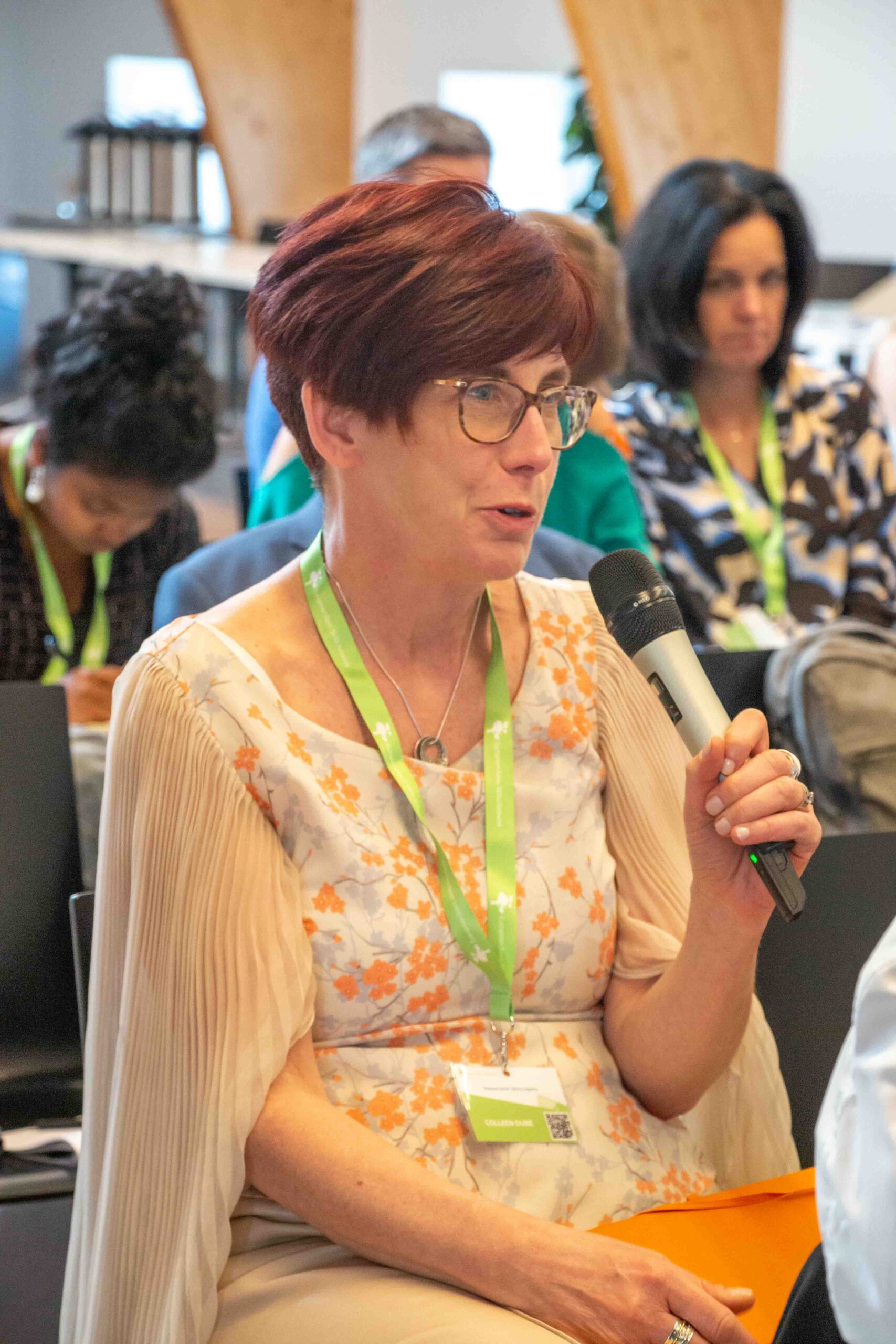
- Colleen Dube, Chief Executive Officer, National Adult Literacy Agency
- Yvonne McKenna, Director, ALL National Programme Office, SOLAS (Ireland’s Further Education and Training Authority)
Summary:
As the result the National Adult Literacy Agency’s advocacy, Ireland’s government agreed to create a strategy to address unmet literacy, numeracy and digital literacy in Ireland. Development of the strategy began in November 2020 and Adult Literacy for Life (ALL) was launched in September 2021. ALL is a 10-year national strategy which aims to ensure that every adult has the necessary literacy, numeracy and digital literacy to fully engage in society and realise their potential. The ALL Strategy takes a cross-government and cross-society approach and is overseen by a cross-government stakeholder group. A National Programme Office centrally coordinates the ALL Strategy across all departments and stakeholders. It has a budget of €4 million to support the implementation of the Strategy. €1 million from that budget is allocated to the ALL Collaboration & Innovation Fund to support local projects and organisations and services to become literacy aware and friendly. Regional Literacy Coordinators are employed in each of Ireland’s 16 Education and Training Board regions to drive the ALL Strategy locally and support the Fund.
The ongoing implementation of the ALL strategy now needs to take account of the following:
- A new coalition government and key personnel since the strategy’s launch
- Ongoing transformation of Ireland’s vocational and educational landscape
- Near full employment, which means workplace literacy supports are essential
- Constrained public finances that concentrate funding for adult skills development on green and digital transformation and apprenticeships
- Adult basic skills needs at the lower levels as evidenced by PIAAC and DESI.
Currently in Ireland:
- 21% of adults in Ireland are at or below level 1 of literacy. This is up from 18% in 2013
- 25% of adults in Ireland are at or below level 1 of numeracy.
- 27% of adults in Ireland have unmet digital literacy needs. The presentation will
- share how the ALL office and NALA are adapting to this context
- seek insights from our European colleagues to inform the ALL strategy’s future implementation.
<strong>Colleen Dube</strong><br /><em class="subtitle">National Adult Literacy Agency (NALA)</em>
Position: Chief Executive Officer
Country: Ireland
Colleen Dube is the Chief Executive Officer of the National Adult Literacy Agency (NALA) in Ireland, where she leads national efforts to improve literacy, numeracy, and digital skills among adults. Since taking on the role in 2020, she has played a pivotal part in implementing Ireland’s Adult Literacy for Life (ALL) Strategy, a whole-of-society approach to lifelong learning and inclusion.
Colleen has over two decades of leadership experience in higher education and adult learning. She previously served as CEO of the Uversity, which supported mature learners through scholarship schemes, and as Executive Director of the Ireland–United States [Fulbright] Commission for Educational Exchange.
<strong>Yvonne McKenna</strong><br /><em class="subtitle">Adult Literacy for Life Office, SOLA</em>
Position: Director, Adult Literacy for Life National Programme Office
Country: Ireland
Yvonne McKenna has been Director of the ALL National Programme Office since 2022. Formerly CEO of Gaisce – The President’s Award and Volunteer Ireland, she has held leadership roles in civic engagement and learning. Yvonne brings a strong commitment to social equity and adult learning to the national implementation of Ireland’s Adult Literacy for Life Strategy.
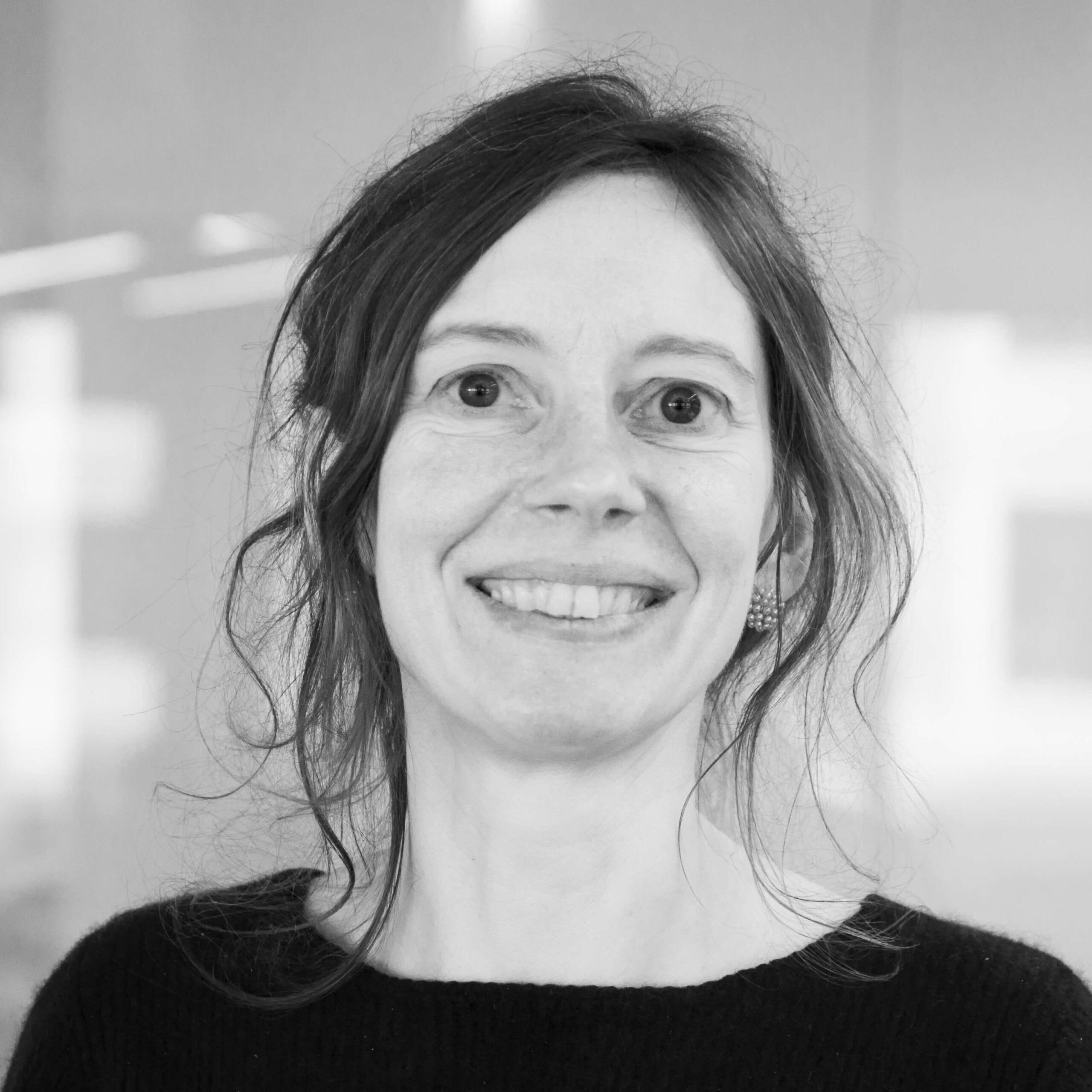
Literacy skills of Flemish adults: policy proposals by the Flemish Education Council
The publication of PIAAC 2023 has prompted the Flemish Education Council to start a new policy advice on the literacy skills of adults in Flanders. We start by analyzing the implications of the latest survey results and concluding that the growing divide between adults with low and high literacy skills indicates that the need for further literacy initiatives in Flanders remains very high.
Our working group with experts in adult education and training starts from that analysis to provide policy recommendations on the topic of literacy to the Flemish government and the Flemish education and training providers. Our policy paper will be published on the 8th of May 2025 and focuses on three main messages (under embargo until 8th of May 2025):
- We ask for a horizontal policy initiative that makes sure that all relevant policy domains formulate action plans on literacy, reinforces cooperation between relevant organisations and promotes inclusion by design starting in the government.
- We look at the role of education and training providers and formulate a commitment from these providers (who are represented in the Flemish Education Council) on treating low-skilled learners as a priority, fostering cooperation between institutions, and proposals to the Flemish government how to reinforce this.
- Finally we propose further research on the divide between adults with low and high literacy skills in Flanders, the skills of the elderly (65-plus) and the progress that the youngest group in the PIAAC survey has made (16-24 year olds) between PIAAC 2012 and 2023.
This policy paper is relevant for sub-themes 1 and 2: PIAAC 2023 Insights and Policy innovations. Our policy proposals focus on the regional level of Flanders, but also include implications for the local level. The discussion will be focused on replicability of policy initiatives in other regions, countries and at the European level.
As discussion points we would like to focus on policy proposals:
- Could these policy proposals have a positive impact on the literacy skills of Flemish adults?
- Are these proposals also relevant for other regions and countries?
- What other good practices and policy innovations from other regions and countries could be beneficial for Flanders?
<strong>Ewoud De Sadeleer</strong><br /><em class="subtitle">Vlaamse Onderwijsraad (Flemish Education Council) (BE)</em>
Position: Policy Officer
Country: Belgium
Ewoud De Sadeleer serves as a policy officer for the Flemish Education Council, where he authored the strategic policy paper on adult literacy in Flanders. His work supports the Council’s mission to provide informed advice to the Flemish Ministry of Education and Lifelong Learning.
<strong>Joke Drijkoningen</strong><br /><em class="subtitle">Ligo, Centres for Adult Basic Education</em>
Position: Director
Country: Belgium
Joke Drijkoningen is the Director of Ligo, the federation of adult basic education centres in Flanders. A former KU Leuven researcher in Dutch language acquisition, she leads initiatives promoting the literacy and professionalisation of DSL educators. She also chairs the working group behind the Flemish Education Council’s proposals for adult literacy policy.
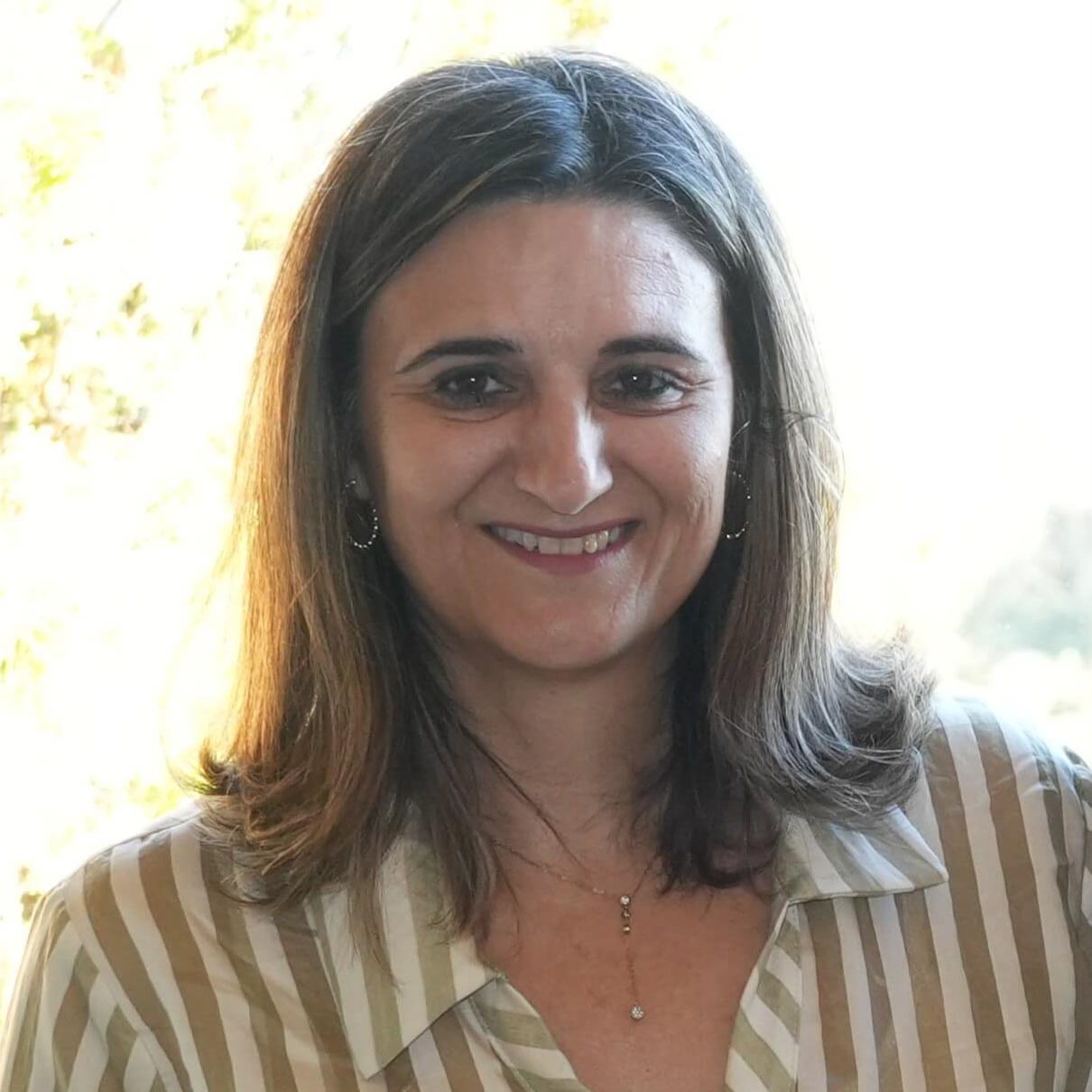
The role of the National Coordinator for Adult Learning in upskilling the basic skills of low skilled adult
A) The contribution could be a plenary presentation or a workshop discussion.
This purpose of the contribution is to present the findings of a recent research that investigated the role of the National Coordinators for Adult Learning of the countries of the European Union, especially in matters of upskilling the basic skills of low-skilled adults according to the suggestions of the "Council Recommendation of 19 December 2016 on Upskilling Pathways:
New Opportunities for Adults". Through the research process which was carried out by conducting interviews, following the qualitative approach, it was determined that the National Coordinators for Adult Learning contributed, either directly or indirectly, to the formation of the adult education policy in their country, highlighting the necessity of appointing a coordinating body that manages to bring together all stakeholders of Adult Education.
The National Coordinators undertook awareness-raising actions to increase the participation of adults in training programs or actions to support the community of adult educators and especially those active in vulnerable groups. The presentation will comprise:
- the challenges that the National Coordinators faced concerning the visibility of their role, the cooperation with the various agencies, the transformation of proposals into policies, the visibility of the field of adult education, as well as institutional issues of education and training systems.
- their insights concerning a) the value of the integrated approach described in the Upskilling Pathways Recommendation's three steps b) the importance of a well-trained adult education staff.
- their contribution to the coordination of outreach, guidance and support activities for people with low qualifications, promoting access to information concerning available programs or career guidance services for these vulnerable groups.
- the proposed measures’ significance for an effective implementation of strategy to upskill the basic skills of people with low qualifications. In particular, it was ascertained that to guarantee sustainability, the topic of adult education should always be focused and the involvement of different stakeholders should be ensured.
- relevant recommendations for stakeholders.
B) In case of a workshop : questions could give more insights on the recommendations – conclusions of the research and the discussion could be conducted on:
- an effective National Coordinator of Adult Education
- a successful implementation of the Recommendation at national level
- a comprehensive implementation of the Recommendation at the level of organizations of adult education programs
<strong>Maria Kapniari</strong><br /><em class="subtitle">Hellenic Open University (EU)</em>
Position: Adult Educator, Ministry of Education
Country: Greece
Maria Kapniari is an adult educator at the Greek Ministry of Education with over a decade of experience in implementing lifelong learning policies and programs. She has played a central role in advancing adult education in Greece through her work in the Directorate for Lifelong Learning, including responsibilities as the National Coordinator for the European Agenda for Adult Learning. Her activities have also involved supporting the implementation of the EPALE National Support Service and the EU Recommendation on Upskilling Pathways.
Track 2: Inclusive Approaches for Vulnerable Groups
Parallel Session R1.2:
Designing Learning Pathways for Vulnerable and Marginalized Groups

Co-creating digital bibliotherapy: designing effective and inclusive wellbeing interventions
This parallel session contribution fits within theme 4: Embedding basic skills in broader frameworks because this is about a collaboration between basic skills education, publishing (particularly forms of digital publishing) and wellbeing experts.
Bibliotherapy, broadly defined as ‘the idea that reading can have a beneficial effect on mental health’ (King, Haslam and Campbell, 2018), is an established wellbeing practice and the basis of formal programmes in many institutions, both HE and health. Digital delivery (using ebooks, audiobooks, online activities, and other methods) is now a cornerstone of many programmes, a trend that accelerated during COVID-19. Advantages of digital delivery include greater accessibility, increased inclusivity, speed of access, and lower cost. However, there is a need to investigate barriers and opportunities, experiment with intervention design, and allow bibliotherapy programmes to benefit more people, including those less confident in their literacy and language skills.
Digital reading (which includes forms of listening) is in significant ways unlike reading in print. Research continues to explore potential differences in aspects such as comprehension, retention, and immersion; the latter is particularly salient for the experience of ‘getting lost in a book’. But just as important is the unequal cultural status of digital reading: entrenched perceptions of e-books and audiobooks as makeshift substitutes, offering incomplete experiences, are (like lingering arguments of e-books as a threat to literature) an oppressive reality for readers who rely on technologies other than print. Messages of digital reading as something that ‘doesn’t count’, particularly of audiobook reading as ‘not really reading’, are recognised as ableist and elitist as well as unhelpful and offensive to people who read digitally for accessibility reasons. Wellbeing interventions must be designed to embrace the whole of reading culture, not privilege print, or cast print and digital readers as rival camps. To do so, they must recognise the existing diversity of reading practices, and address cultural and social barriers as well as technological challenges.
- This presentation will explore initial findings of our six-month collaborative project which aims to:
- Produce knowledge of bibliotherapy and lived experience of digital therapeutic reading practices
- Co-create digital bibliotherapy intervention pilot designs
- Experiment with innovative participatory action research methods from diverse disciplinary traditions
This project brings together two key areas of UCL expertise: education and publishing. It also brings in colleagues from the Open University and charity sector researchers who have published on shared topics (including textual materiality, and varied conceptualisations of reading) from different perspectives. We hope that the findings will inform future work in adult literacy and charity sector work on reading and wellbeing.
<strong>Sam Duncan</strong><br /><em class="subtitle">UCL Institute of Education</em>
Position: Professor of Adult Literacies
Country: United Kingdom
Professor Sam Duncan is a leading expert in adult literacy and a faculty member at the UCL Institute of Education. Her research explores the lived experience of adult readers and the social roles of literacy in adult life. She has conducted in-depth studies on reading circles, pleasure reading, and the development of adult reading.
Her published works include Reading Circles, Novels and Adult Reading Development (Continuum/Bloomsbury, 2012), Reading for Pleasure and Reading Circles for Adult Emergent Readers (NIACE, 2014), and Oral Literacies: When Adults Read Aloud (Routledge, 2021), which emerged from her AHRC Early Careers Research Leaders Fellowship.
Professor Duncan is the Director of the UCL International Literacy Centre and Co-Editor of the academic journal Literacy. She also serves on the Executive Committee of the European Basic Skills Network (EBSN), where she contributes to advancing research-based policies on basic skills across Europe.
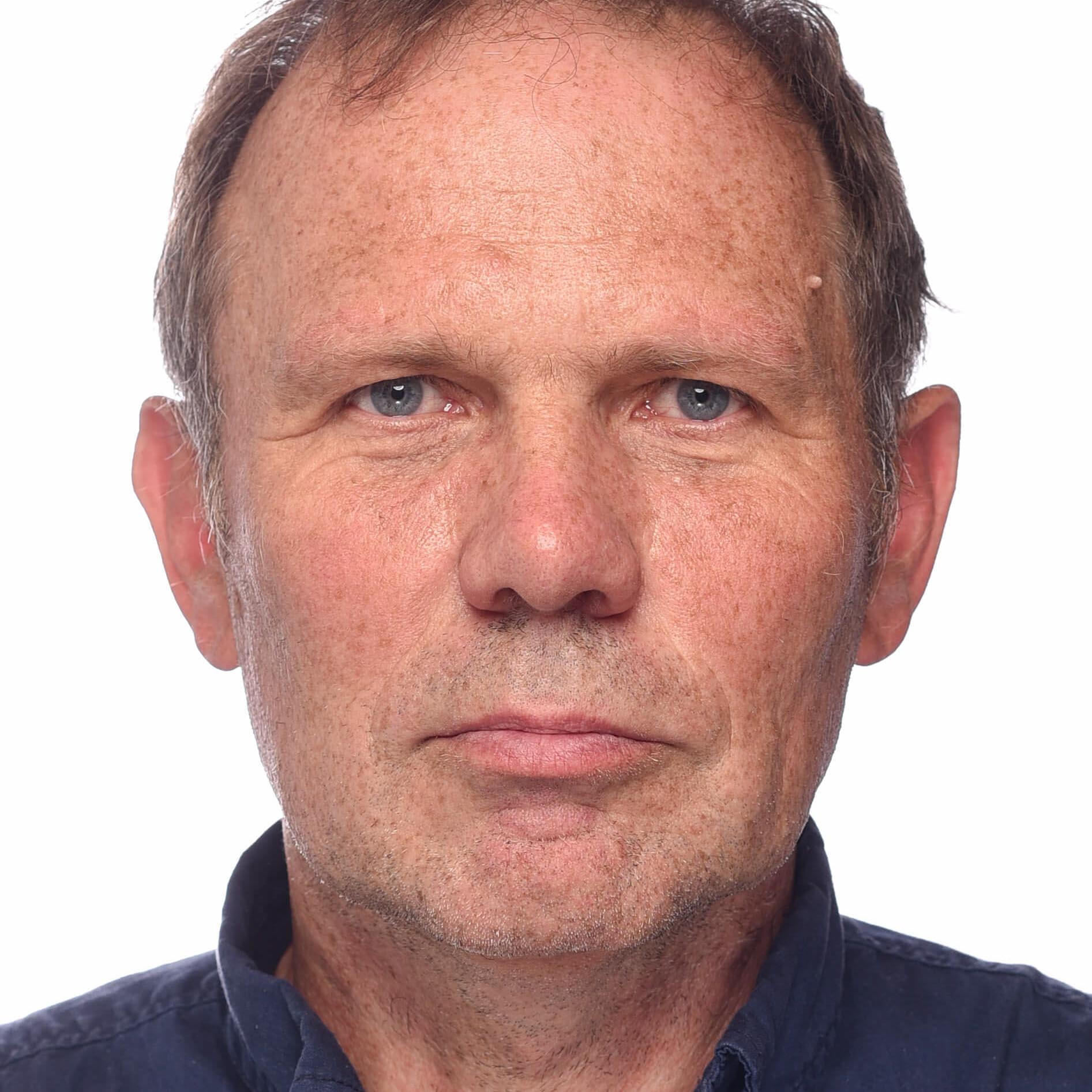
Vulnerable Subgroups Revisited: Financial Practices of Adults in strained economic situations
Financial literacy is part of a broader framework of basic skills and is becoming increasingly important in adult education. International organizations such as the OECD and the World Bank are calling for financial literacy strategies. One example is the strategy for financial education launched in Germany in 2023.
Financial literacy is reported in international studies (e.g. Demertzis et al., 2024; OECD & INFE, 2020). Comparisons show differences between countries and between sub-populations, with correlations between financial literacy and formal employment or income (Buddeberg, 2020).
Less attention is paid to adults' everyday financial practices. However, secondary analyses of the first PIAAC cycle showed that economically vulnerable groups often engage in financial practices. This challenges stereotypical assumptions that adults in straitened economic circumstances are too passive in financial matters and, therefore, have brought their situation upon themselves (blame the victim) (Grotlüschen et al., 2019).
The second cycle of PIAAC once again provides an opportunity to analyse adults' use of numeracy and financial literacy skills. Taking into account the link between competencies and practices (Reder et al., 2020), this paper re-examines the relationship between the economic situation (operationalized by income and employment) and everyday financial practices. It is based on PIAAC data from those EU countries that participated in the second cycle of the survey.
The discussion looks critically at whether a lack of financial education is solely to blame for the situation of economically disadvantaged groups - as is implied, for example, by the financial education strategy in Germany mentioned at the beginning - and how financial education programs could be integrated into a broader canon of educational programs.
References:
- Buddeberg, K. (2020). Literalität, finanzbezogene Praktiken und Grundkompetenzen. In A. Grotlüschen & K.
- Buddeberg (Hrsg.), LEO 2018 – Leben mit geringer Literalität (S. 227–254). wbv.
- Demertzis, M., Léry Moffat, L., Lusardi, A. & López, J. M. (2024). The state of financial knowledge in the European Union (Policy Brief Nr. 04). Bruegel.
- Grotlüschen, A., Buddeberg, K., Redmer, A., Ansen, H. & Dannath, J. (2019). Vulnerable Subgroups and Numeracy Practices. Adult Education Quarterly, 69(4), 251–270.
- OECD & INFE. (2020). International Survey of Adult Financial Literacy. www.oecd.org/financial/education/launchoftheoecdinfeglobalfinancialliteracysurveyreport.html
- Reder, S., Gauly, B. & Lechner, C. M. (2020). Practice makes perfect: Practice engagement theory and the development of adult literacy and numeracy proficiency. International Review of Education, 66(2-3), 267–288.
<strong>Klaus Buddeberg</strong><br /><em class="subtitle">University of Hamburg (DE)</em>
Position: Senior Researcher
Country: Germany
Dr. Klaus Buddeberg is a senior researcher in the Department of Adult Education and Lifelong Learning at the University of Hamburg. He led the LEO 2018 literacy study, a national German reading and writing assessment and has published widely on adult basic skills, financial literacy, and PIAAC data analysis.
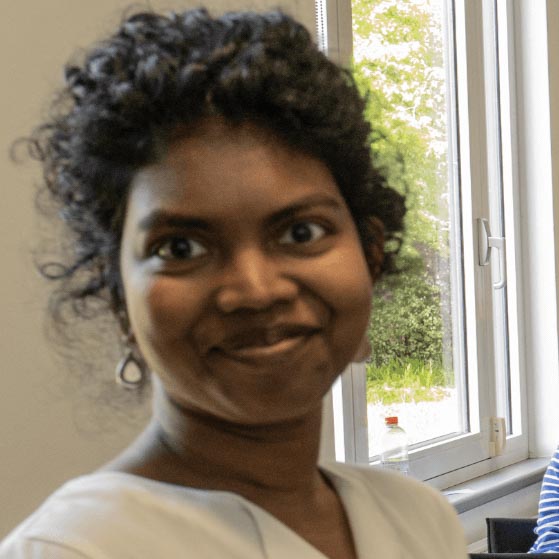
Bringing Vision to Life: The Reflection Tool of Ligo
A few years ago, Ligo developed an agogic approach which focuses on functionality and integration of required language and social skills. The approach consists of six pillars: look, inspire, activate, expand boundaries, care and connect. In the next phase we made a quality framework that functions as a self-assessment tool. We named the framework The Reflection Tool of Ligo. The tool consists of twelve statements that clarify the six pillars. We regard this as an innovative guideline (subtheme 6). Each school can use this framework as they see fit.
However, we also wanted to inspire teachers. Therefore we adapted the concept of Quality Teaching Rounds. We call them our reflection tables. Each table is set up around one statement of The Reflection Tool. Teachers meet online, discuss a specific article and experiment with insights in their own classrooms. One month later they meet again online and exchange their experiences.
During the process and the reflection tables we faced different challenging questions, like: how do you implement a vision? What is necessary for teachers to change their behaviour? During the workshops we would like to exchange ideas and opinions about those questions.
Our main insight is that teachers need practical tools. Vision isn’t something that can be imposed; it needs time to land in teachers' minds. Furthermore teachers shouldn’t feel they are being evaluated, but instead they have control over their own learning process.
Recommendations:
- Take time to listen to teachers: they are key stakeholders in implementing an educational approach. Engaging in open conversations and actively listening to their feedback will create a sense of ownership and motivation.
- Provide concrete and practical tools: teachers need clear, ready-to-use materials to effectively implement the approach in their daily practice.
- Ensure a supportive, non-evaluative environment: teachers should feel empowered to experiment and learn without fear of judgment.
<strong>Sulotta Soren De Clercq </strong><br /><em class="subtitle">Ligo, Centra voor Basiseducatie (BE)</em>
Position: Staff Member
Country: Belgium
Sulotta De Clercq is a staff member at Ligo, supporting educational development across centres. Since 2022, she has led the creation of a new NT2 (Dutch as a second language) method that integrates research insights and practical classroom experience. Her background as an L2 teacher informs her understanding of learner needs and the support required by teachers.
Track 3: Innovative Pedagogy and Digital Solutions
Parallel Session R1.3:
Gamification, Family Engagement, and Digital Learning Innovations
Innovative practice - gamification and basic skills
One way to reach adults that can benefit from improving their basic skills is through gamification. This approach allows for a more playful, less stigmatizing way to teach skills. NLL has developed an online game demo to evaluate how games can be used for this purpose. The game, "Cats' inheritance" was launched in December 2024. Two pilot groups are testing the game in the spring of 2025. One is a group of young adults in vocational training, the other is a group of former addicts and inmates. In order to win the game the players need to use their basic skills. Teachers of adult basic skills have provided the basis for the challenges, ensuring that the game teaches relevant skills. Ideally the game should be played in the class room, supervised by a teacher and in small groups, but it can also be accessed by anyone with an internet connection. The game is currently available in Finnish and is still in development. An expanded full version of the game is already designed. If the concept turns out to be successful it may be possible to develop the full game, and to launch other language versions as well. In addition a theme-related physical mystery-box game has been produced, offering the possibility to play without computers.
Questions:
- How can we use gamification to reach new target groups?
- What kind of skills and competences are needed to successfully use games as a method for teaching basic skills to adults?
Policy implication:
- There are already different policies in place in the Nordic countries that support engaging ”hard to reach learners”, like outreach strategies, flexible and modular learning, guidance support, micro-credentials, etc. Still, there is a need to look for innovative ways in reaching and supporting adults in basic skills improvement. These measures should supplement the already existing ones. Special and tailor made learning offers contribute to reaching specific groups of adults, like long term unemployed, young adults who have not completed compulsory education, post probation service clients, etc.
Examples of well-functioning upskilling and basic skills programmes:
- Tailored support and guidance (Basic Competence in Working Life Program, Norway),
- Flexible learning (Talk Maths”, Denmark, a workplace-based numeracy program that integrates math learning into everyday work situations).
<strong>Johanni Larjanko</strong><br /><em class="subtitle">Nordic Network for Lifelong Learning / NLL (FI)</em>
Position: National Coordinator (Finland)
Country: Finland
Johanni Larjanko is the National Coordinator for Finland at the Nordic Network for Lifelong Learning (NLL), where he has led the Finnish national network for adult basic skills since 2018. A journalist by training, he has worked in adult education since 1997, bringing a communication-driven and socially conscious perspective to the field. If you want to engage in discussion, Johanni means that non-formal adult education, civil society, equal opportunities or democracy are good starting points.
Family literacy courses ‘Mijn kind gaat naar school, ik ook’ ('My child goes to school, and so do I')
Ligo Brusselleer works together with Dutch speaking elementary schools in Brussels. Together with the teachers we invite the parents in the classroom of their child for a weekly short activity with their own child in the home language. We also offer courses for parents in these schools, to foster parent involvement in their children’s school experiences.
In our Erasmus+ KA2 project ‘Together Strong in Languages’ (2022-24) we cooperated with Hogeschool Rotterdam and Caritas Jeunes et Familles Betzdorf (Luxembourg) on parent involvement in a metropolitan, multilingual context.
<strong>Lies Vanobbergen</strong><br /><em class="subtitle">Ligo Brusselleer (BE)</em>
Position: Team Coach
Country: Belgium
Lies Vanobbergen trained as a sports teacher and spent 15 years as a literacy educator before becoming a team coach at Ligo Brusselleer. She has extensive experience in parent-focused education, collaborating with elementary schools, and participating in both Brussels-based and national networks for family literacy.
<strong>Ine Meersman</strong><br /><em class="subtitle">Ligo Brusselleer (BE)</em>
Position: Teacher and Educational Coach
Country: Belgium
Ine Meersman is a social worker with 20 years of experience teaching parents in primary schools across Brussels. For the past decade, she has served as an educational coach, actively engaging in national networks on parental involvement. Her focus lies in supporting teachers working with parents and aligning education with family needs.

Hybrid learning for low literate language learners
Our world is becoming increasingly digital. While this undoubtedly creates barriers, especially for people with low literacy skills, we must not forget that this digitalization also offers many new opportunities. Today, all students—even those with the lowest literacy levels—have a smartphone and can be online anytime, anywhere. Imagine the learning progress our students could make if we fully utilized their smartphones as a learning tool! This was the starting point of the Edusprong project Hybrid learning for low literate language learners at Ligo Antwerpen.
For two years, the taskforce 'hybrid learning' explored new methodologies that put students’ smartphones at the center of their learning. They developed three methodologies: (1) one for online learning, (2) one for asynchronous learning and (3) one for evaluation and strong feedback. We are excited to share these results with you.
Our online learning method (1) is fully tailored to our low-literacy target group. Students take part in online lessons once a week in small groups, joining via Teams on their smartphones. And yes, even for low-literacy students, online learning offers significant benefits: it strengthens their digital skills, provides didactic opportunities that are not possible in a traditional classroom setting, and of course, it offers a lot of practical advantages.
Thanks to our methodology of 'kernvideo's' (2), students gain more and better opportunities to learn asynchronously, outside of class hours. After all, students who actively engage with the learning material at home learn more effectively—that’s a simple equation. Kernvideo's are short recordings made by the teacher during class, capturing key lesson content. These videos are highly recognizable for students and serve as a bridge between classroom learning and home study.
The highlight of our hybrid approach? That's KlasTube —our method for evaluation and powerful feedback (3). In small groups, students record videos of each other, demonstrating the skills they have acquired. These videos are then viewed and peer evaluated and stored in a digital portfolio.
<strong>Bert Aerts</strong><br /><em class="subtitle">Ligo Antwerpen (BE)</em>
Position: Teacher and Edusprong Project Leader
Country: Belgium
Bert Aerts has been working at Ligo Antwerpen for 15 years as a teacher for illiterate second-language learners. He specialises in NT2 didactics and leads the “Hybrid Learning for Low-Literate Language Learners” project, committed to innovative educational methods for adult learners with limited literacy.
Track 4: Data, Evidence, and Communication
Parallel Session R1.4:
Empowering Adult Learners through Language Skills: Innovations and Practices

Reimagining Language Learning for Migrants
Based on recent research in the West Midlands region of England, this presentation considers how policy can be developed to better meet the needs of migrants and other learners who need to develop skills in the language of their new home country, therefore addressing the conference sub-theme 5: inclusive strategies for vulnerable groups.
This presentation aims to explore the challenges faced by policymakers and providers in delivering effective English language learning opportunities for migrants and other residents in the West Midlands area. It will outline:
- an analysis of key challenges and barriers to an effective English language learning offer
- ways in which policy and practice could be developed to improve English language learning provision, based on extensive engagement with key stakeholders, learning providers and learners.
The presentation will be of interest to those working in migrant language education policy and practice settings.
<strong>Alex Stevenson</strong><br /><em class="subtitle">National Learning and Work Institute (UK)</em>
Position: Deputy Director
Country: United Kingdom
Alex Stevenson is the Deputy Director at the Learning and Work Institute, where he leads work on essential adult skills, including literacy, numeracy, English for Speakers of Other Languages (ESOL), and digital competencies. Alex has advised the UK Department for Education, the Welsh Government, and the Greater London Authority on adult skills policy. He served as a member of the Executive Board of the European Association for the Education of Adults (EAEA) from 2019 to 2025. Additionally, Alex is a member of the Executive Committee of the European Basic Skills Network (EBSN), where he contributes to transnational dialogue and policy development aimed at enhancing basic skills provision across Europe.
Beyond the classroom: Using reflection to support LESLLA learners in formal and informal contexts
The PIAAC 2023 results underscore the urgent need to support adults with low literacy skills. Among the most vulnerable are LESLLA learners, adults who face the dual challenge of learning both a second language and literacy skills for the first time. Acquiring a second language is a lengthy process that requires consistent practice across various contexts, formal, non-formal and informal (Ellis, 2002). These non-formal and informal learning opportunities are particularly important for LESLLA learners to reinforce their skills in everyday situations. Recognizing and valuing the skills they develop through these experiences, is therefore important for their progress. Reflection plays a key role in this process by helping learners set personal goals, gain insights into their progress, and foster self-regulation (Hooft, forthcoming). However, promoting reflective learning among LESLLA learners presents challenges due to limited metacognitive skills, memory constraints, and little prior experience with reflective practices (DeCapua et al., 2024; Minuz et al., 2022).
This contribution presents a hands-on approach to fostering reflection in LESLLA learners. This approach was developed through co-creation sessions with nine Dutch L2 teachers, volunteers and language researchers in the superdiverse and multilingual city of Antwerp, Belgium using the design sprint methodology (Knapp et al., 2016). The resulting toolkit and digital prototype were tested in four groups of LESLLA learners: 2 formal Dutch L2 classes and 2 non-formal conversation tables. We explored whether the approach supports LESLLA learners in valuing their learning progress, uncovering new learning opportunities, and promoting alignment and collaboration across learning contexts. Moreover, we assessed the usability of the toolkit and app for both learners and their teachers.
Our findings are based on observations, focus groups, and interviews with learners, teachers and volunteers and suggest that the toolkit shows promise to support reflection and enhance awareness of learning opportunities. The tests provided actionable feedback for usability improvements. Based on these results, we will discuss how reflective practices can empower LESLLA learners and explore the role of innovative tools, such as the reflection toolkit and digital prototype, in modernizing adult education and fostering social inclusion.
This presentation offers inspiration and practical tools for educators and policymakers looking to support vulnerable adult learners and promote lifelong learning through reflective practices.
<strong>Helena Van Nuffel</strong><br /><em class="subtitle">Centre for Language and Education (KU Leuven) (BE)</em>
Position: Researcher
Country: Belgium
Helena Van Nuffel is a researcher at the Centre for Language and Education (CLE) at KU Leuven in Belgium. Her expertise lies in the fields of second language acquisition, adult literacy, and technology-enhanced language learning, with a particular focus on supporting learners in vulnerable situations.
Helena contributes to applied research that bridges academic knowledge with real-world educational practice. She is actively involved in developing innovative, inclusive methods and tools aimed at improving language and basic skills learning for low-literate adults, including LESLLA learners (Low Educated Second Language and Literacy Acquisition).
<strong>Annelies Jehoul</strong><br /><em class="subtitle">Center for Language and Education (KU Leuven) (BE)</em>
Position: Researcher
Country: Belgium
Annelies Jehoul is a researcher at KU Leuven’s Centre for Language and Education with a PhD in Linguistics. Since 2019, she has focused on online and blended learning for adult migrants. Her work is driven by a commitment to inclusive education that fosters integration and belonging among newcomers, enabling them to feel at home in Belgium.


Workplace Literacy Coaching in Brussels
Ligo Brusselleer works with adults who have enjoyed little or no formal schooling. We offer workplace literacy coaching to organisations that work with short-skilled adult learners. We coach the instructor and the learners in order to improve oral and written communication, mathematics as well as media skills at the workplace. We provide a contextualised approach tailored to the training and support organisations to integrate Dutch into their training or work experience project.
<strong>Lies Evenepoel</strong><br /><em class="subtitle">Ligo Brusselleer (BE)</em>
Position: Communication Manager
Country: Belgium
Lies Evenepoel is a social pedagogue. She has worked as a Dutch L2 teacher for 15 years and as a workplace Dutch language coach for 7 years in both the hospitality and construction industry. Her first experiences with language coaching in vocational training took place in the plumbers course of the prison educational system.
<strong>Manna Lahousse</strong><br /><em class="subtitle">Ligo Brusselleer (BE)</em>
Position: Communication Manager
Country: Belgium
Manna Lahousse is a social worker. She has worked as a Dutch L2 teacher for 19 years and as a workplace Dutch language coach for 5 years, mainly in the hospitality industry at Groot Eiland in Brussels. She coaches colleagues in this field and sets up workplace literacy coaching programs within vocational training and work experience projects.
- 13:00
Lunch
- 14:00
Union of Skills for All: Adult Basic Skills Driving Inclusion and Competitiveness in Europe
coming soon
<strong>Andreea Diana Spiridon</strong><br /><em class="subtitle">Team Leader for Adult Skills, Unit B.2 “Union of Skills”, Directorate-General for Employment, Social Affairs and Inclusion, European Commission</em>
Andreea Diana Spiridon works for the European Commission where she is currently Team Leader for Adult Skills policies in the unit “Union of Skills” in the Directorate-General for Employment, Social Affairs and Inclusion. Previously, she was responsible for the implementation of Vocational Education and Training and Apprenticeships policies. Earlier, she worked in the geographical unit following the implementation of the European Social Fund and the European Semester in Romania.
- 14:00
Union of Skills for All: Adult Basic Skills Driving Inclusion and Competitiveness in Europe
coming soon
<strong>Andreea Diana Spiridon</strong><br /><em class="subtitle">Team Leader for Adult Skills, Unit B.2 “Union of Skills”, Directorate-General for Employment, Social Affairs and Inclusion, European Commission</em>
Andreea Diana Spiridon works for the European Commission where she is currently Team Leader for Adult Skills policies in the unit “Union of Skills” in the Directorate-General for Employment, Social Affairs and Inclusion. Previously, she was responsible for the implementation of Vocational Education and Training and Apprenticeships policies. Earlier, she worked in the geographical unit following the implementation of the European Social Fund and the European Semester in Romania.
-
June 19th
Thursday
- 14:20
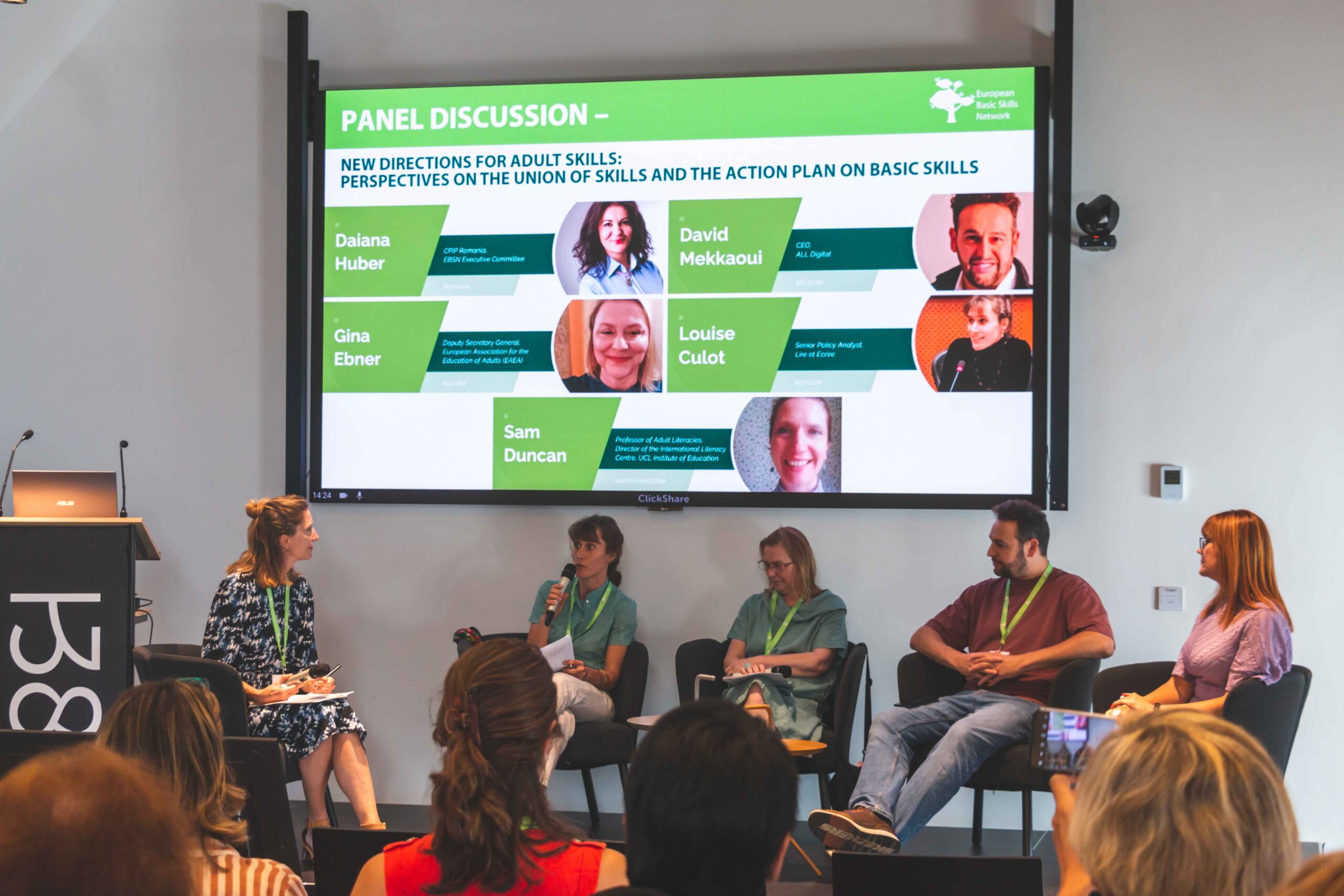
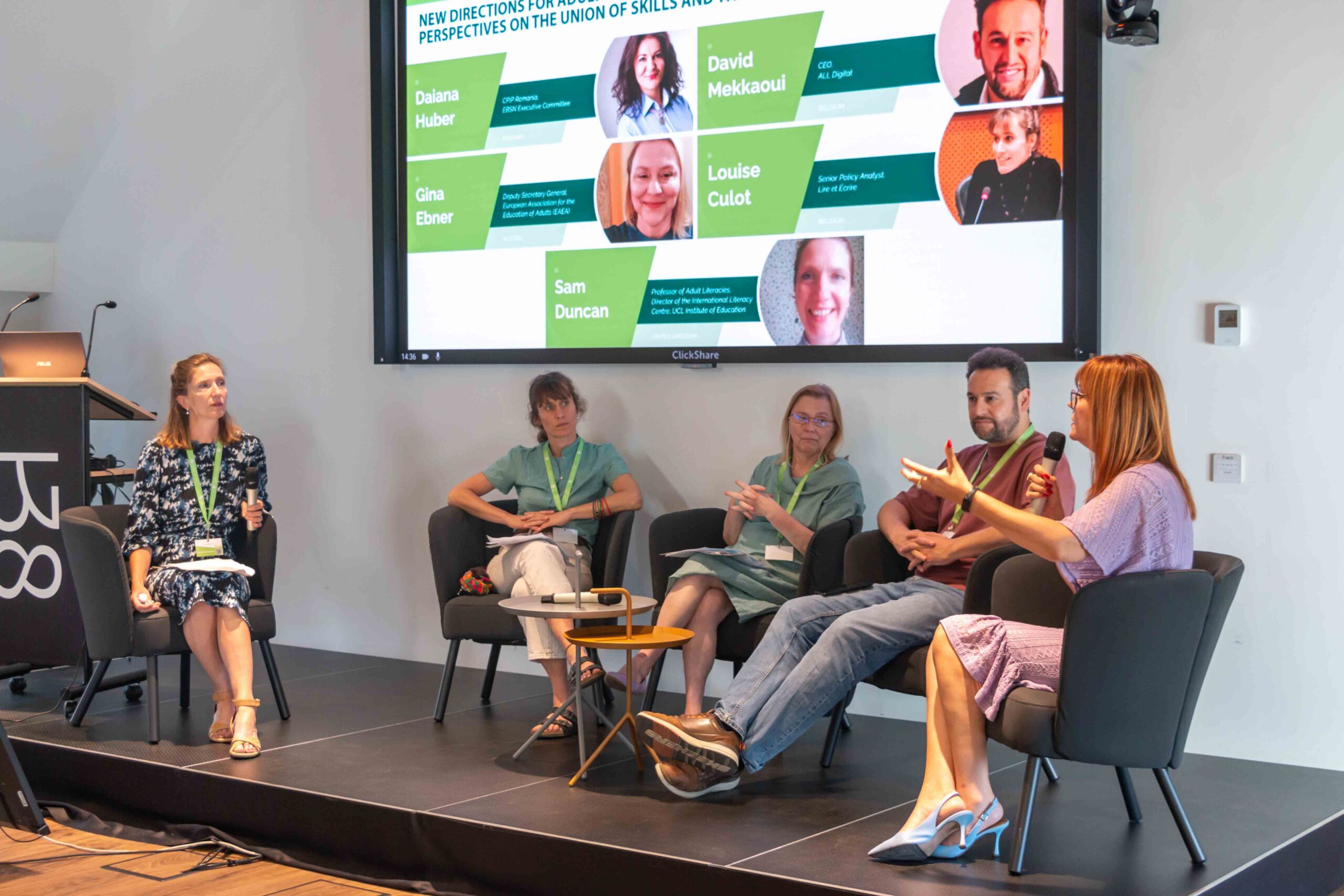
Panel Discussion
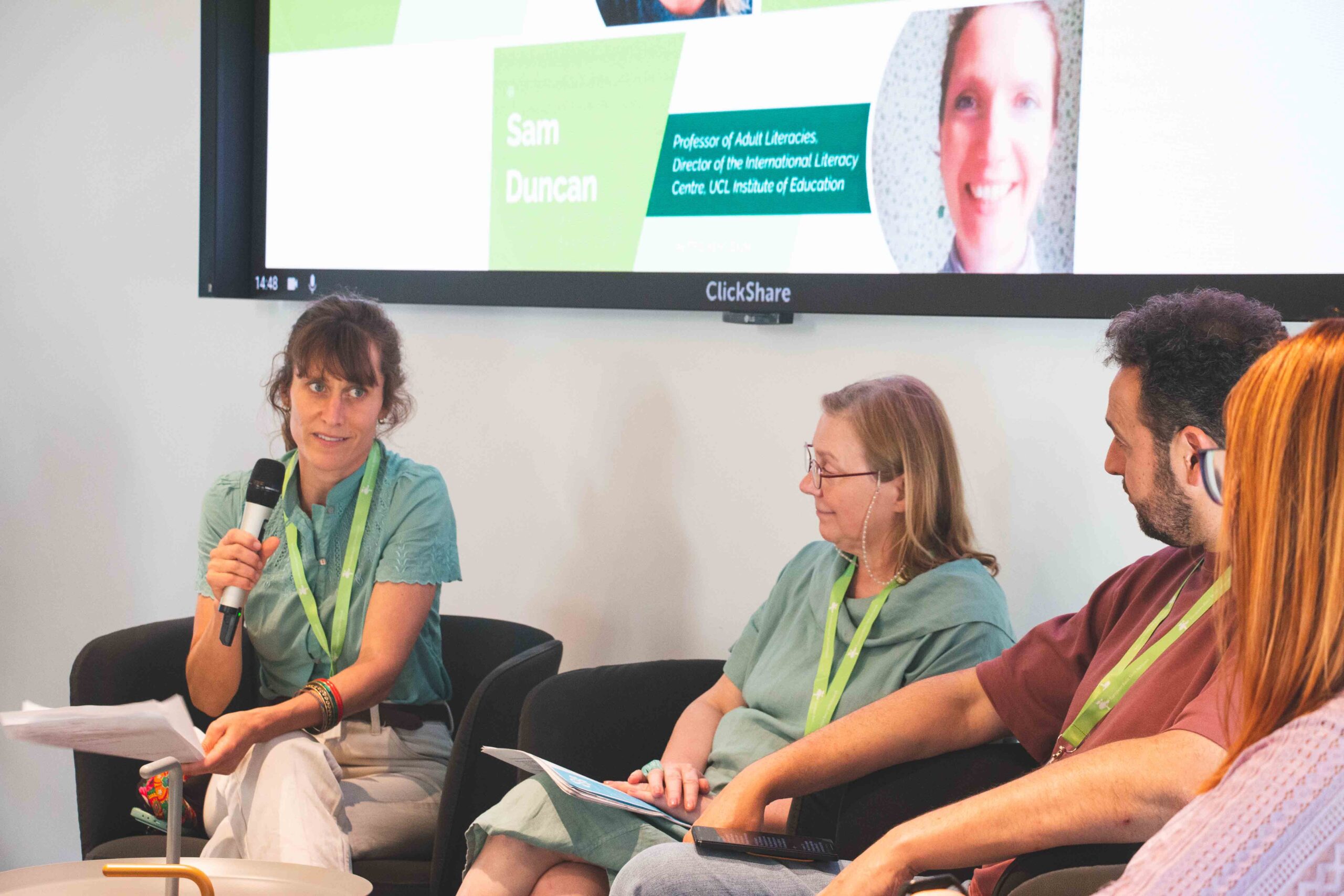
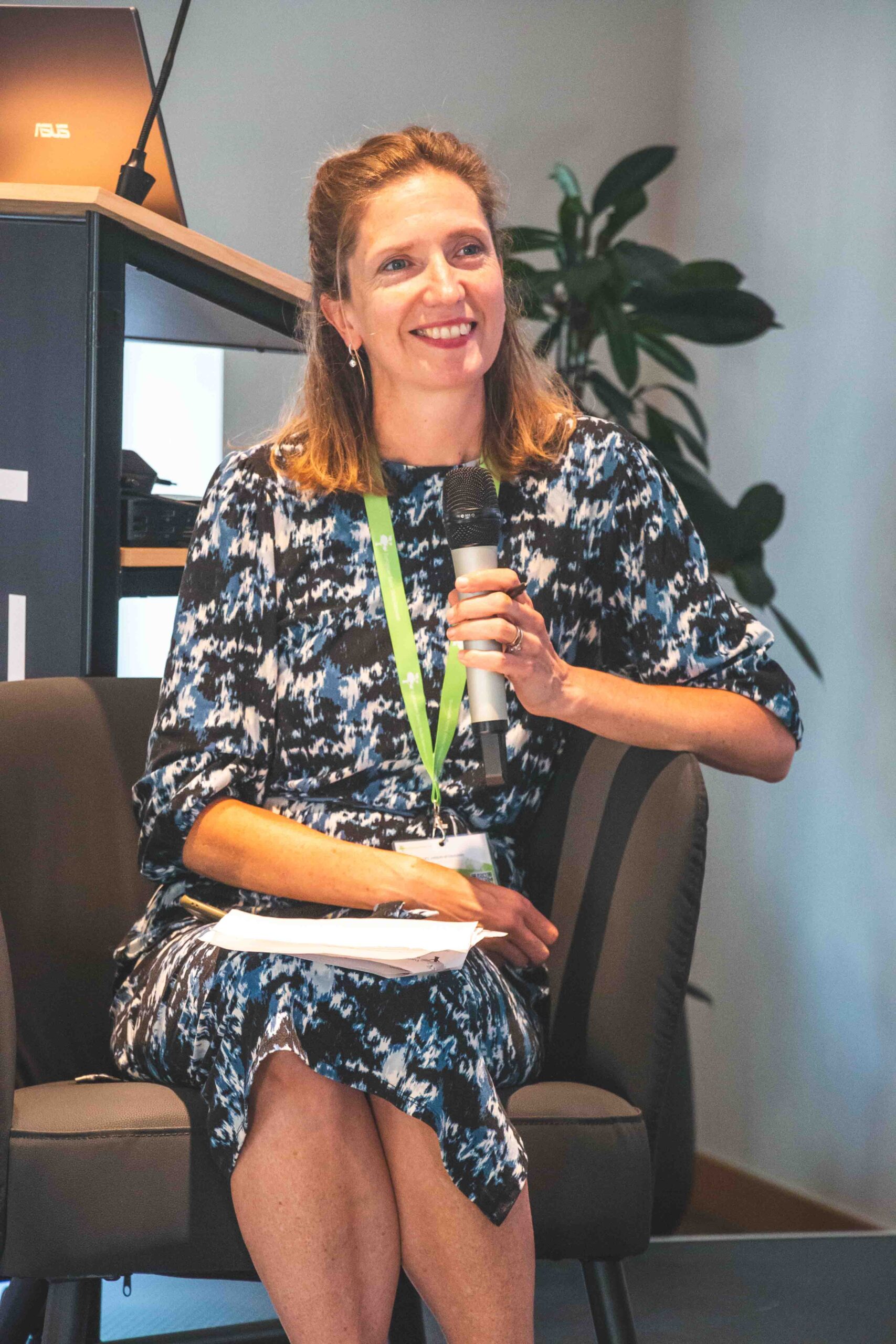
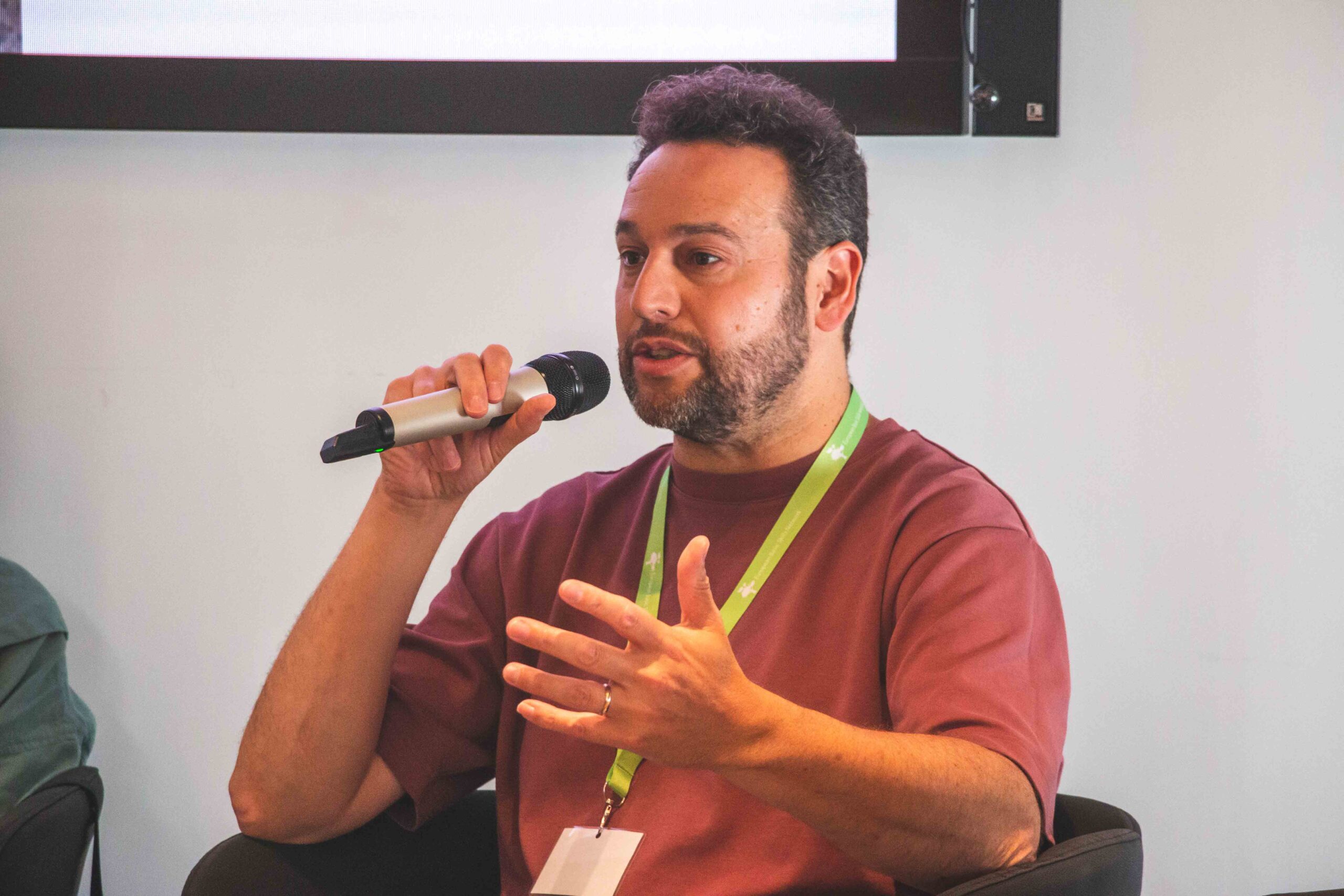
New Directions for Adult Skills: Perspectives on the Union of Skills and the Action Plan on Basic Skills
coming soon
-
June 19th
Thursday
- 14:20
Panel Discussion
New Directions for Adult Skills: Perspectives on the Union of Skills and the Action Plan on Basic Skills
coming soon
Daiana Huber
Gina Ebner
David Mekkaoui
Louise Culot
Sam Duncan
Daiana Huber
Gina Ebner
David Mekkaoui
Louise Culot
Sam Duncan
<strong>Daiana Huber</strong><br /><em class="subtitle">CPIP Romania, EBSN Executive Committee</em>
Position: Project Coordinator
Country: Romania
Daiana Huber is a Project Coordinator at CPIP – Centre for Lifelong Learning in Romania. She works on cross-sectoral initiatives that enhance inclusion through adult education. Her role in the “Enhancing Multi-Stakeholder Collaboration” project bridges justice systems and education providers to support community reintegration and learning opportunities for disadvantaged groups. She has extensive experience in EU-funded projects that foster collaboration between civic institutions and educational bodies, with a focus on second chances and lifelong learning. Daiana is also a member of the Executive Committee of the European Basic Skills Network (EBSN).
<strong>Gina Ebner</strong><br /><em class="subtitle">Deputy Secretary General, European Association for the Education of Adults (EAEA)</em>
Gina Ebner is Deputy Secretary General of the European Association for the Education of Adults. She worked as a language trainer in adult education and as a pedagogical manager for a vocational training institute in Austria. In Brussels, she was a project manager at EUROCADRES (Council for European professional and managerial staff), the Secretary General of the EAEA, as well as president of the Lifelong Learning Platform.
She has worked on issues such as gender equality, outreach, validation, life skills, benefits of lifelong learning and many more. She believes in adult learning and education as a central instrument to shape Europe’s future in a positive way and is enthusiastic in advocating for strong adult education communities, structures, policies and civil society.
EAEA represents non-formal adult education with 125 member organisations in 43 countries. EAEA promotes adult learning and access to and participation in non-formal adult education for all.
<strong>David Mekkaoui</strong><br /><em class="subtitle">CEO, ALL Digital</em>
Position: CEO, All Digital
Country: Belgium
David Mekkaoui is the CEO of All Digital, driving digital inclusion and education across Europe. He previously led Euractiv for over seven years, scaling its impact and overseeing its sale to Mediahuis in 2023. An Oxford graduate with a background in finance and governance, David began his career at The Wall Street Journal Europe and helped launch Expedia in Europe. He also serves on the boards of Europe MédiaLab and Alliance Française, promoting media and education for a more inclusive, connected Europe.
<strong>Louise Culot</strong><br /><em class="subtitle">Senior Policy Analyst, Lire et Écrire, Belgium</em>
Louise Culot (BE) works within the research department of the widest Belgian French speaking literacy organization Lire et Écrire. Lire et Écrire provides free literacy and advocates for the rights of illiterate people in the fields of social and cultural policies, digitalization, education and health.
<strong>Sam Duncan</strong><br /><em class="subtitle">University College London, UK, EBSN Executive Committee</em>
Position: Professor of Adult Literacies
Director of the International Literacy Centre
UCL Institute of Education
Country: United Kingdom
Professor Sam Duncan is a leading expert in adult literacy and a faculty member at the UCL Institute of Education. Her research explores the lived experience of adult readers and the social roles of literacy in adult life. She has conducted in-depth studies on reading circles, pleasure reading, and the development of adult reading.
Her published works include Reading Circles, Novels and Adult Reading Development (Continuum/Bloomsbury, 2012), Reading for Pleasure and Reading Circles for Adult Emergent Readers (NIACE, 2014), and Oral Literacies: When Adults Read Aloud (Routledge, 2021), which emerged from her AHRC Early Careers Research Leaders Fellowship.
Professor Duncan is the Director of the UCL International Literacy Centre and Co-Editor of the academic journal Literacy. She also serves on the Executive Committee of the European Basic Skills Network (EBSN), where she contributes to advancing research-based policies on basic skills across Europe.
- 15:15
Coffee break & Market Place
-
June 19th
Thursday
- 15:45
Parallel Sessions Round 2
-
June 19th
Thursday
- 15:45
Parallel Sessions Round 2
Track 1: Building Policies and Systems for Upskilling Pathways
Parallel Session R2.1:
Impact Policies and Local Collaboration
Making plans to increase basic skills in Brussels
With the Brussels Literacy Plan, the Flemish Community Commission (VGC) wants to increase basic (literacy) skills for vulnerable inhabitants.
Which target groups are given priority, and which objectives are included in the plan? And what role does Ligo Brusselleer play as a centre for adult basic skills education? And how do the organisations involved act together to achieve the goals?
<strong>Ludwig Willaert</strong><br /><em class="subtitle">Ligo Brusselleer (BE)</em>
Position: Staff Member and Coordinator, Brussels Literacy Plan
Country: Belgium
Ludwig Willaert is a dedicated staff member at Ligo Brusselleer, the Centre for Adult Basic Education in Brussels. With over 17 years of experience, he has played a pivotal role in advancing adult literacy initiatives in the region. Initially serving as a Dutch as a Second Language (NT2) teacher, Ludwig transitioned into policy development, where he now coordinates the Brussels Literacy Plan (Plan Geletterdheid Brussel) under the auspices of the Flemish Community Commission (VGC).
His work focuses on developing and implementing strategies to enhance literacy among adults in Brussels, particularly through the use of tailored learning trajectories and hybrid learning models.
Ligo's impact policy
In 2018 Ligo, Centres of Adult Basic Education, developed its impact policy. This policy outlines the shared vision for the impact the 13 Ligo centres aim to achieve with their educational programs for low-literate and low-educated adults. The 13 Ligo centres, together with the federation of Ligo (their interest group), place a strong emphasis on a common focus and approach within their network to tackle low literacy. The impact policy serves as the compass in this process. It determines the impact that Ligo wants to have both at the societal level and at the level of the learners. It defines the priority target groups that Ligo wants to focus on. In addition to the 'what,' the impact policy also describes how Ligo intends to achieve these impacts, namely through an integrated and functional approach.
The new PIAAC results provide an opportunity to revisit the impact policy. Ligo concludes that the impact policy is still relevant:
- Focus on the broader society to provide opportunities for low-literate people, as the share of low-literate individuals in Flanders remains unchanged compared to the previous PIAAC study.
- Focus on the most vulnerable profiles, such as low-educated adults and adults with a migrant background, as the Flemish PIAAC results show that these groups score significantly lower than higher-educated and native populations. Furthermore, the literacy gap between these groups is even widening.
- Ensure educational provision that empower people in various domains of society, as PIAAC reveals a correlation between low literacy and factors such as employment, health, and trust in government.
Joke Drijkoningen and Barbara Sproelants, both working at Ligo's federation, present Ligo’s impact policy and how it translates into practice. They will then engage in a discussion with the audience around the following topics:
- What parallels can be drawn with this impact policy by participants from other countries?
- What recommendations or ideas are there to implement the impact policy even more effectively?
- Does the impact policy provide sufficient answers to the challenges identified by PIAAC?
<strong>Joke Drijkoningen</strong><br /><em class="subtitle">Ligo, Centres of Adult Basic Education (BE)</em>
Position: Director
Country: Belgium
Joke Drijkoningen is the Director of Ligo, the federation of adult basic education centres in Flanders. A former KU Leuven researcher in Dutch language acquisition, she leads initiatives promoting the literacy and professionalisation of DSL educators. She also chairs the working group behind the Flemish Education Council’s proposals for adult literacy policy.
<strong>Barbara Sproelants</strong><br /><em class="subtitle">Federation of Ligo, Centres for Adult Basic Education</em>
Position: Deputy Director
Country: Belgium
Barbara Sproelants is Deputy Director of the Federation of Ligo, which represents the 13 Centres for Adult Basic Education across Flanders. She has been working in the field of adult education since 1996, beginning her career as a literacy teacher at the Ligo Centre in Antwerp.
After five years of teaching, she joined the centre’s management team, where she contributed to programme coordination and strategic planning. In 2017, she transitioned to the federation level, taking on the responsibility of developing and coordinating Ligo’s impact policy, working in close collaboration with the directors of all member centres.
Barbara brings deep practical experience and a strong policy focus to her work, ensuring that literacy provision in Flanders is both learner-centred and strategically aligned with social and educational goals.
Track 2: Inclusive Approaches for Vulnerable Groups
Parallel Session R2.2:
Inclusive Learning Pathways and Tailored Methodologies
Co-Designing Learning Behind Bars: LiberateSkills Pact Upskills Correctional Staff through Learner-Led Outcomes & Ecosystem-Authored Micro-Credentials
coming soon
<strong>Daiana Huber</strong><br /><em class="subtitle">CPIP (RO)</em>
Position: Project Coordinator
Country: Romania
Daiana Huber is a Project Coordinator at CPIP – Centre for Lifelong Learning in Romania. She works on cross-sectoral initiatives that enhance inclusion through adult education. Her role in the “Enhancing Multi-Stakeholder Collaboration” project bridges justice systems and education providers to support community reintegration and learning opportunities for disadvantaged groups. She has extensive experience in EU-funded projects that foster collaboration between civic institutions and educational bodies, with a focus on second chances and lifelong learning. Daiana is also a member of the Executive Committee of the European Basic Skills Network (EBSN).
<strong>Ana David</strong><br /><em class="subtitle">Innovative Prison Systems (PT)</em>
Position: Consultant & Researcher
Country: Portugal
Ana Margarida Nascimento has a bachelor in Educational Sciences, a master’s degree in Adult Education and Training, and a PhD in Educational Policy and Administration, from the University of Lisbon, Portugal.
Ana has extensive research experience. At IPS, Ana is part of the Correctional Staff Training & Development team.
From learning questions to classroom success: a flexible, student-centered method for teaching Dutch as L2
Ligo developed a new method for teaching Dutch as a second language on the level of 1.1 (Breakthrough), based on student learning questions. The aim of the method is to be flexible and able to adapt the classes to the needs of students. Therefore we made a framework and different mind maps with basic competencies applied to real life situations. We see this as an innovative guideline (subtheme 6). In the course of developing this new method, we focused on teaching practices like finding out learning questions, differentiation, …
During the development process, we faced several challenges: How do you combine curriculum goals with personal learning questions? Why do we actually want a flexible method? How do you convince teachers to teach differently? How do you integrate a constructivist vision with subject didactics? During the workshops we would like to exchange ideas and opinions about those questions.
Our main insight is that we see an enhanced student awareness. Because we stay close to their learning questions, students gain more insight in their own learning process and are able to use the Dutch language in different ways.
Recommendations:
1. Time-management: Creating a new method of teaching requires time. This project took about two years and is still ongoing.
2. Collaborative development: Involving teachers from different schools is essential. Do this from the start. Provide sufficient time for testing during the process, to allow for potential adjustments to be made.
3. Professional development: Inform and support teachers on subjects like: detecting learning questions, in-class differentiation, backwards planning, … This can be done during workshops, but also in communities of practice.
<strong>Sulotta Soren De Clercq</strong><br /><em class="subtitle">Ligo, Centra voor Basiseducatie (BE)</em>
Position: Staff Member
Country: Belgium
Sulotta De Clercq is a staff member at Ligo, supporting educational development across centres. Since 2022, she has led the creation of a new NT2 (Dutch as a second language) method that integrates research insights and practical classroom experience. Her background as an L2 teacher informs her understanding of learner needs and the support required by teachers.
<strong>Leontien Flussie</strong><br /><em class="subtitle">Ligo, Centra voor Basiseducatie (BE)</em>
Position: Staff Member
Country: Belgium
Leontien Flussie is a staff member at Ligo, contributing to the development of a new NT2 method with a focus on authentic audiovisual content. With a background in Educational Sciences and a passion for agogic work, she supports classroom implementation and ensures learner-centered practices in language instruction.
Track 3: Innovative Pedagogy and Digital Solutions
Parallel Session R2.3:
Immersive Learning in Action: Training Soft Skills with VR and AI
Training Soft Skills and Action Competencies in Virtual Reality (VR) Environments
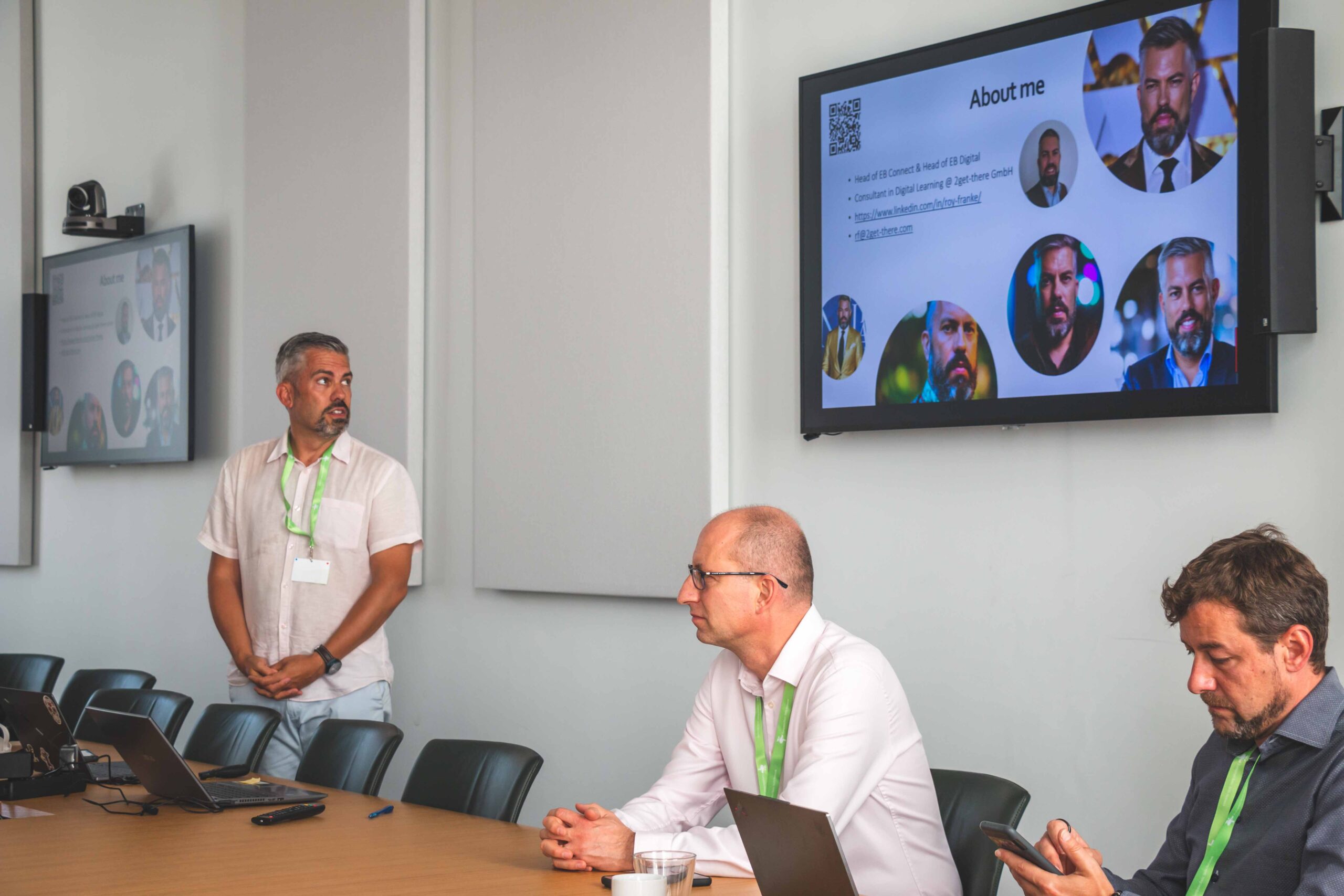
At EB Zurich (Switzerland), the EB Digital department explores how Virtual Reality (VR) and Artificial Intelligence (AI) can be used to develop immersive learning experiences aimed at promoting soft skills and action competencies. Our contribution focuses on the design, implementation, and evaluation of VR-based training environments that incorporate AI-driven interactive agents and personalized learning features.
Methodology:
We developed and tested multiple VR learning settings in which participants engage with AI-powered virtual agents to practice communication and decision-making in realistic, emotionally engaging scenarios. The AI enables dynamic dialogue, simulates authentic social interactions, and provides real-time feedback and analysis. In parallel, we designed exploratory VR spaces where learners create and navigate personalized environments as part of a digital learning portfolio. These settings aim to foster not only soft skills (e.g., empathy, teamwork, adaptability) but also action-oriented competencies through experiential learning.
Key Findings:
Initial implementations show that learners perceive the VR settings as highly engaging and motivating. The immersive nature of the environment supports emotional involvement, which enhances the transfer of learning to real-world contexts. AI-driven conversational agents successfully simulate complex interpersonal situations, allowing for repeated practice without the need for human role-play partners. Learners also appreciated the ability to shape their own VR learning worlds, which promoted reflection and individual goal setting.
Conclusion:
VR, in combination with AI, offers a powerful approach to soft skills and action skills training. Our experiences at EB Zurich demonstrate that well-designed VR learning environments can significantly enhance engagement and provide scalable, personalized learning opportunities. This contribution will share practical insights into the technical and didactic design of these environments and offer recommendations for educators and institutions interested in implementing similar approaches.
<strong>Roy Franke</strong><br /><em class="subtitle">EB Zürich (CH)</em>
Position: Head of EB Digital
Country: Switzerland
Roy Franke leads the EB Digital department at EB Zürich, focusing on the meaningful integration of technology in education. He holds an Executive MBA in Business Engineering and a Master’s in Education Management. Roy has significant experience in digital learning environments, including the design and implementation of VR-based training and the professional development of educators in digital methodologies.
Track 4: Data, Evidence, and Communication
Parallel Session R2.4:
Evaluating Impact: Advancing Adult Basic Skills through Evidence-Based Practices
Workplace Learning Programmes for Literacy, Numeracy and Digital Literacy: Fit for Purpose?
The perceived problem of a lack of literacy and numeracy skills amongst the adult working population has been widely surveyed by Welsh and UK Governments and influential organisations such as the OECD. However, theorists such as Hull (1991) argue that a deficit policy approach to skills underestimates the human potential in people’s abilities.
The aim of the research study was to challenge and look beyond the traditional skill deficit approach to literacies used by Welsh and UK Government, and contrast with the emancipatory ideas in education of Freire (2006). The study took the approach of bringing together the essential skills policy literature, with models of learning in the academic literature such as ‘literacy as social practice’ and ‘learning in the flow of work’. The research focused on how frontline workers, rather than policymakers, learnt and applied essential skills in their job roles through lived experience, by asking - “How do frontline workers learn and apply communication, numeracy and digital literacy/ICT skills in the workplace?”.
Real-life perspectives of entry level frontline workers in the service sector were gained through 46 semi-structured interviews and 25 periods of observation. These took place in four workplaces in Southeast Wales – a hotel, a café, a care home and supported housing. Job roles of research participants included café baristas, hotel receptionists, healthcare assistants, support workers and cleaners.
Research findings revealed a fundamental problem in the deficit skills gap approach to current policies surrounding ‘essential/functional skills’ workplace learning, and assumptions made that workers are not learning. Skill priorities were found to be quite different to that of the qualifications offered to the workforces under study. Employees interviewed consistently referred to communication, i.e., speaking and listening oracy skills, as ranking far higher in importance to that of reading, writing, number and digital literacy skills. This contrasts directly with the equal weighting given to each of these areas in the Communication qualification.
Using the lens of Freire, it is argued that this ‘top-down’ deficit approach to workplace learning is the ‘pedagogy of the oppressed’, being profoundly undemocratic and disempowering. Learners in the research study have no say or decision-making role in the essential skills curriculum. Ultimately the findings of this research project question the value of current essential skills qualifications and assumptions made by policymakers that workers need to be taught exactly the same communication, number and digital literacy qualifications for any type of job role.
<strong>Anne Reardon-James</strong><br /><em class="subtitle">Cardiff University (UK)</em>
Position: Doctoral Student, EdD ProfDoc
Country: United Kingdom
Anne Reardon-James is a multi-award-winning L&D practitioner with nearly 20 years of experience in education, spanning community, family learning, prison education, and higher education. A Fellow of SET and Associate CIPD member, she is completing her doctoral studies at Cardiff University. Anne is a trustee of Agored Cymru and co-editor for RaPAL, focusing on essential skills policy and practice.

Impact beyond numbers. Towards a methodology for impact evaluation of adult basic skills programs
Measuring the impact of adult basic skills programs can be approached through various methods. While quantitative measures provide valuable data on outcomes, they often fail to capture the complexity of individual experiences and contextual factors influencing learning. Incorporating qualitative insights enables a richer understanding of these programs (Reder, 2009; Stromquist, 2009; Hanemann, 2019), capturing not only primary outcomes on literacy skills and motivation but also secondary outcomes such as societal participation, empowerment and well-being. This comprehensive perspective can illuminate transformative processes and guide the development of more effective and responsive educational frameworks.
This proposal aims to explore qualitative methodologies for evaluating the impact of adult basic skills education through a small-scale study in Belgium, which employed a two-phase methodology. The first phase focused on developing a monitoring and evaluation framework using an outcome-oriented and participatory approach. Through document analysis and collaborative working sessions with organizers and teachers of adult basic skills programs, we identified and mapped the desired impacts and progress markers. The second phase served a dual purpose: firstly, it acted as a pilot to explore how the framework can be utilized to monitor and evaluate the impact of adult basic skills programs in Belgium in a manner that is feasible for educational centers and can be seamlessly integrated into their courses. Secondly, it aimed to apply the developed approach within a specific basic skills program to assess its impact on learners’ lives and to gain insights into the program components that contributed to this impact. This included gathering qualitative data through journaling assignments, class reflections, individual interviews with students, and reflective focus groups with educators at the end.
The findings from this study will provide valuable insights into effective impact evaluation strategies, emphasizing the importance of participatory approaches in shaping adult basic skills education and enhancing its relevance and effectiveness.
<strong>Mariet Schiepers</strong><br /><em class="subtitle">Centre for Language and Education (KU Leuven) (BE)</em>
Position: Director and Researcher
Country: Belgium
Mariet Schiepers is the Director of the Centre for Language and Education (CLE) at KU Leuven’s Faculty of Arts. Her research addresses second language acquisition, literacy, and the integration of technology into learning—particularly for vulnerable learners. She is also committed to research valorisation through professional development and the creation of didactic tools.
<strong>Helena Van Nuffel</strong><br /><em class="subtitle">Centre for Language and Education (KU Leuven) (BE)</em>
Position: Researcher
Country: Belgium
Helena Van Nuffel is a researcher at the Centre for Language and Education (CLE) at KU Leuven in Belgium. Her expertise lies in the fields of second language acquisition, adult literacy, and technology-enhanced language learning, with a particular focus on supporting learners in vulnerable situations.
Helena contributes to applied research that bridges academic knowledge with real-world educational practice. She is actively involved in developing innovative, inclusive methods and tools aimed at improving language and basic skills learning for low-literate adults, including LESLLA learners (Low Educated Second Language and Literacy Acquisition).
- 17:00
End of Day 1: Practical Announcements for Dinner & Day 2
- 19:00
Conference dinner
Speakers

Prof. Dr. Maurice de Greef

Judy Alamprese
Sam Duncan

Damian Fäh
Alex Stevenson

Zoltán Várkonyi
- 08:45
Coffee & informal conversations
-
June 20th
Thursday
- 09:00
RESCALE: Reskill Employees by Stimulating Connection between Actors of Labor market & Education
The 2020 OECD statistics show that 9% of the 25-64 year-olds with an educational level below upper secondary school are unemployed. Besides, lots of in-transition workers, unemployed and inactive adults are not joining adult education. In addition, the EU argues that the green transition and digital transformation is likely to unevenly affect sectors. Therefore, the RESCALE project will develop an innovative approach to up- and reskill skills of in-transition workers, unemployed or inactive adults for new tasks and new jobs in particular from declining sectors into the green and digital economy. By developing an innovative infrastructure called the ‘Reskilling Lab’, the labor market position and level of proficiency of transversal, basic, digital and green skills of these vulnerable adults will be improved. First, a comparative analysis will be realized to compare the educational and labor market infrastructures throughout Europe focussing on up- and reskilling skills. As a result an assessment tool for identifying skills among these adults and an innovative European ‘Reskilling Labs’ model will be developed, existing of a blueprint for the European ‘Reskilling Lab’, a model for enhanced career guidance, counselling and mentoring and innovative training materials and -methods. In cooperation with stakeholders like companies, adult education and training providers and public and private organizations ‘Reskilling Labs’ in 7 countries for 210 to 350 in-transition workers, unemployed or inactive adults will be realised. These ‘Reskilling Labs’ will be scientific evaluated. Based on these results a digital European ‘Reskilling Labs’ manual and roadmap for sustainable implementation for professionals will be developed in addition to a policy-model for policy-makers existing of a prototype of a digital decision support system and a business model in order to stimulate effective strategies to up- and reskill skills of in-transition workers, unemployed or inactive adults.
<strong>Prof. Dr. Maurice de Greef</strong><br /><em class="subtitle">Chairholder, UNESCO Chair on Adult Education, Vrije Universiteit Brussel (Belgium)</em>
Maurice is the UNESCO Chair on Adult Education at the Vrije Universiteit Brussel. He published his dissertation (PHD) about the outcomes of adult education. In cooperation with Maastricht University, he realised more than 150 studies in more than 200 communities concerning the impact and success factors of adult education. He has managed local, regional and international projects in innovating learning-environments, strategic policy-making in adult education and developing strategies for approaching learners and realising new courses in local settings. Maurice focuses on conducting studies and initiating projects on the increase of social inclusion of vulnerable populations, (migrants, elderly people, people with lower levels in education or lower skills in literacy) especially through learning. He feels that everyone deserves a second chance by realizing his or her own learning process.
-
June 20th
Thursday
- 09:00
RESCALE: Reskill Employees by Stimulating Connection between Actors of Labor market & Education
The 2020 OECD statistics show that 9% of the 25-64 year-olds with an educational level below upper secondary school are unemployed. Besides, lots of in-transition workers, unemployed and inactive adults are not joining adult education. In addition, the EU argues that the green transition and digital transformation is likely to unevenly affect sectors. Therefore, the RESCALE project will develop an innovative approach to up- and reskill skills of in-transition workers, unemployed or inactive adults for new tasks and new jobs in particular from declining sectors into the green and digital economy. By developing an innovative infrastructure called the ‘Reskilling Lab’, the labor market position and level of proficiency of transversal, basic, digital and green skills of these vulnerable adults will be improved. First, a comparative analysis will be realized to compare the educational and labor market infrastructures throughout Europe focussing on up- and reskilling skills. As a result an assessment tool for identifying skills among these adults and an innovative European ‘Reskilling Labs’ model will be developed, existing of a blueprint for the European ‘Reskilling Lab’, a model for enhanced career guidance, counselling and mentoring and innovative training materials and -methods. In cooperation with stakeholders like companies, adult education and training providers and public and private organizations ‘Reskilling Labs’ in 7 countries for 210 to 350 in-transition workers, unemployed or inactive adults will be realised. These ‘Reskilling Labs’ will be scientific evaluated. Based on these results a digital European ‘Reskilling Labs’ manual and roadmap for sustainable implementation for professionals will be developed in addition to a policy-model for policy-makers existing of a prototype of a digital decision support system and a business model in order to stimulate effective strategies to up- and reskill skills of in-transition workers, unemployed or inactive adults.
<strong>Prof. Dr. Maurice de Greef</strong><br /><em class="subtitle">Chairholder, UNESCO Chair on Adult Education, Vrije Universiteit Brussel (Belgium)</em>
Maurice is the UNESCO Chair on Adult Education at the Vrije Universiteit Brussel. He published his dissertation (PHD) about the outcomes of adult education. In cooperation with Maastricht University, he realised more than 150 studies in more than 200 communities concerning the impact and success factors of adult education. He has managed local, regional and international projects in innovating learning-environments, strategic policy-making in adult education and developing strategies for approaching learners and realising new courses in local settings. Maurice focuses on conducting studies and initiating projects on the increase of social inclusion of vulnerable populations, (migrants, elderly people, people with lower levels in education or lower skills in literacy) especially through learning. He feels that everyone deserves a second chance by realizing his or her own learning process.
-
June 20th
Thursday
- 09:20
Parallel Sessions Round 3
-
June 20th
Thursday
- 09:20
Parallel Sessions Round 3
Track 1: Building Policies and Systems for Upskilling Pathways
Parallel Session R3.1:
Evaluating What Works: Evidence-Based Approaches to National Upskilling Models
Using Evidence-based Approaches for Upskilling and Reskilling Adult Skills Learners
A policy concern in the European Union (EU) and Great Britain (GB) is having a trained workforce to fuel economic growth and societal well-being. The new Union of Skills strategy is designed to equip individuals for a competitive Europe. The recent PIAAC data also reinforce the support of adults in obtaining the skills, knowledge, and abilities they need to obtain family-sustaining jobs, thrive in their communities, and promote a sustainable future for their families.
This session will discuss two evidence-based approaches to upskilling and reskilling adult skills learners that have been implemented and evaluated in the United States and are relevant models for the EU and GB. Those approaches are Integrated Education and Training (IET) and Workplace Literacy. Both approaches embed basic skills instruction in the context of teaching Technical Vocational Education Training (TVET) or workplace tasks and involve cross-sector collaborations among adult skills education, employers, community agencies, and other entities serving adults who would like to enhance their basic skills.
The presenter will discuss the components of IET and Workplace Literacy. These include embedding basic skills in occupational tasks for IET and conducting task analyses to identify the basic skills needed for jobs in Workplace Literacy; career awareness that can support successful IET; and strategies for engaging and sustaining collaborations between adult skills providers and TVET organizations and employers. Also discussed are approaches for stakeholder engagement and formal mechanisms that can ensure long-term commitments to these types of upskilling. Examples of the organizational settings in which IET and Workplace Literacy have been implemented, including adult education centers, TVET centers, correctional education centers, and varied businesses will be discussed. Also noted will be the role of supportive services in assisting adult learners to persist with their education and training, and the inclusion of financial literacy in IET models to support adult learners’ progress toward financial stability.
The results from rigorous evaluations of these approaches will be provided, noting that while these models have positive results for participants’ educational outcomes, their attainment of significant income increases is a longer-term outcome that may require additional education and training. This finding points to the need for the articulation of the role of lifelong in adults’ lives, and the ways in which adult skills education can play a vital role in building awareness of and opportunities for lifelong learning as adult learners move from adult skills settings to their next step.
<strong>Judith Alamprese</strong><br /><em class="subtitle">Alamprese and Associates (USA)</em>
Position: Independent Consultant | Former Principal Scientist at Abt Global
Country: United States
Judith Alamprese is a distinguished expert in adult learning, workforce development, and education system reform, with over four decades of leadership experience in research, evaluation, and technical assistance. Trained as a sociologist, she has dedicated her career to addressing systemic and individual-level challenges in adult education, particularly among underserved populations.
Judith previously served as Principal Scientist at Abt Global (formerly Abt Associates), where she led national studies and technical assistance initiatives funded by the U.S. Departments of Education and Labor. She is currently Co-Principal Investigator of the CREATE Adult Skills Network, a major research collaboration focused on technology-enhance education for adults.
Her recent studies examined affordable programs of study in TVET, the use of text messaging to support adults’ attainment of a high school credential and enrollment in college and TVET training, and approaches to providing holistic services to support adult skills learners. She participated in the International Adult and Continuing Education Hall of Fame Conference in Florence, Italy, and was a member of the U.S. Delegation to the 6th International Conference on Adult Education, CONFINTEA VI and the 7th International Conference on Adult Education, CONFINTEA VII. She has presented at OECD, UNESCO, and other international conferences.

Upskilling and reskilling strategies for unemployed adults: Some insights from the GOL Programme in Italy
The data from PIAAC 2023 reveal that in Italy, the levels of adult skill have remained unchanged since the 2012 survey. The lowest levels in numeracy, literacy, and problem solving among adults are closely linked to birth cohorts (mature adults), sociodemographic variables (education, gender, and area of the country), and job position.
The EU’s 2016 Recommendation and the 2023 Evaluation Report highlighted the need to upskilling and reskilling pathways to improve the skill levels of vulnerable groups. These documents showed how learning is linked to re-entry into employment, active participation in society, and opportunities for lifelong learning for personal life.
The national implementation of the Next Generation EU programme, the National Recovery and Resilience Plan, has allocated funding for a range of initiatives to address post-pandemic labour market challenges and redesign training and employment policies aimed at adults with low levels of competences, unemployed and inactive people, older workers, adults with disabilities or immigrants.
Among these measures, the Guaranteed Employability of Workers (GOL) programme constitutes the most important Italian initiative to promote economic recovery and provide support to vulnerable groups of citizens. The GOL is implemented throughout the territory and is based on the tailor-made pathways for entry and re-entry into the job market, through the coordination of public services and private territorial partners.
The paper discusses some results of GOL, emphasising its impact and effectiveness. First, the national implementation of the programme is analysed in light of the different subgroups of vulnerable adults targeted. Secondly, the results of a study comparing the points of view of the three main actors involved (beneficiaries, public providers, and private partners) are examined. The convergence of these three perspectives provides a more comprehensive perspective from which to examine this national measure.
The programme represents a significant step forward in the creation of innovative integration frameworks and joint care protocols that match training and employability for vulnerable groups. However, the GOL has some weaknesses in its implementation that are inherent in its design, such as in the professionalism and effectiveness of the guidance required of operators, especially given the complex vulnerability of the beneficiaries. Some recommendations emerge in some key areas because GOL should extend beyond providing adequate information for job search. Further elements should aim at understanding motivations, personal and social barriers to participation, considering the effectiveness of profiling, personalisation of pathways, participation of beneficiaries, and lifelong guidance.
<strong>Chiara Biasin</strong><br /><em class="subtitle">University of Padova (IT)</em>
Position: Professor
Country: Italy
Professor Chiara Biasin is an expert in adult education, lifelong learning, and social pedagogy at the University of Padova, where she teaches and conducts research in the Department of Philosophy, Sociology, Pedagogy and Applied Psychology (FISPPA). She holds a PhD in Pedagogy and Educational Sciences from the University of Padova and earned a Diplôme Européen d’Études Approfondies in Education Sciences from the University of Strasbourg.
Her academic work focuses on adult learning in contexts of transition and vulnerability, vocational education and training (VET), continuing education, and inclusive pedagogical approaches. She has contributed to numerous European research projects and publications that address the role of education in social cohesion and personal empowerment.
Track 2: Inclusive Approaches for Vulnerable Groups
Parallel Session R3.2:
Empowering Women and Immigrants through Literacy and Upskilling
MOVE UP - Leveraging Gender Equality through Upskilling Pathways
The MOVE-UP project, funded under the Erasmus+ Forward-Looking measure, designed, implemented and validated a flexible upskilling pathway for unemployed mothers. By adopting gender mainstreaming approach, MOVE-UP supports women in re-entering education and the workforce through innovative and tailored training in basic skills and transversal competences.
The initiative is based on the assumption that women who dedicate/d much of their time to motherhood gained valuable yet unrecognised skills that are highly relevant to both professional and social contexts. The initiative helps them identify and build on these competences—such as time management, resilience, teamwork and conflict resolution—by focusing on the Personal, Social, and Learning to Learn (PSL) competence. Such approach allowed mothers to not only increase self-consciousness on the skills gained through motherhood, but also to be motivated and more keen to invest in basic skills improvement. By integrating literacy, numeracy and digital skills into this framework, MOVE-UP ensures that participants are equipped not only for employment but also for active participation in the society.
Through MOVE-UP’s resources, women can assess their existing abilities, understand their value in professional settings, and develop new skills that align with evolving labour market demands. This approach challenges the discrimination that mothers often face when seeking employment, promoting their full inclusion in the workforce. By linking basic skills development to broader policy goals, MOVE-UP enhances participants’ ability to engage in lifelong learning, access better job opportunities, and contribute meaningfully to their communities.
Employers, employment services, Adult learning providers and other stakeholders are encouraged to reconsider traditional hiring practices and recognise the strengths that mothers bring to the workplace, thus approaching a more gender equal guidance. By valuing their transferable skills and promoting more inclusive recruitment strategies, organisations can help break down gender-based barriers and foster a work environment that supports diversity, equity and inclusion. Addressing the structural challenges that often disadvantage women in education and the labour market is essential in advancing gender equality and ensuring that all individuals, regardless of their caregiving responsibilities, have equal opportunities to thrive professionally.
The integration of literacy, numeracy and digital competences within this broader upskilling framework contributed in reversing the narrative towards motherhood, still perceived as an obstacle and not an asset for professional growth.
Priority - Embedding basic skills in broader frameworks
<strong>Sylvia Liuti</strong><br /><em class="subtitle">FORMA.Azione srl (IT)</em>
Position: Director of Internationalisation and EU Projects Management
Country: Italy
I am one of the three co-founders of FORMA.Azione srl, an accredited VET and Adult Learning centre acting also as consulting company, based in Italy – Perugia. We are specialised in applying for public funds, mainly addressing the education and training sector, and the societal challenges. I have more than 30 years of expertise in European projects design and coordination, being focused on European networks and strategic cooperation partnerships.
Gender Equality policies in the labour market is my favourite field of work, giving the opportunity to always mainstream gender in designing, implementing and assessing several projects and actions, mainly targeting educators, teachers and trainers, guidance experts, HR and DEI managers. Since 2016 I started working in Media and Information Literacy, by developing and further applying the gender mainstreaming approach, thus contrasting gendered disinformation, online harassment and Gender Based Violence.
Being mother of two sons aged 29 and 27 I had the opportunity to practice and learn relevant transversal skills that I am able to invest in my job on a daily basis.
<strong>Viola Pinzi</strong><br /><em class="subtitle">European Association for the Education of Adults (BE)</em>
Position: Technical Advisor
Country: Belgium
Viola Pinzi is a Technical Advisor at EAEA, offering strategic guidance in education and project development across Europe. She previously served as a project manager at European Schoolnet. Her areas of expertise include digital education, learning technologies, skills frameworks, sustainability, and micro-credentials. Viola holds degrees in Communication Sciences and Information Studies from Siena and the University of Amsterdam.
Further Education, Parenthood and Immigrant Women: Identified Skill Gaps in PIAAC and Practical Solutions from Basic Education Pathways Project ‘Grundbildunspfade’ in Germany
The European Agenda for Adult Learning (2011) and Germany’s ‘Alpha Decade’ (2016-2026) promote policies to reduce the number of adults lacking basic literacy. Immigrant women are most lacking in literacy on average, and this has deteriorated as immigration rates increased over the past two decades. By 2023 in Germany, roughly 41% of immigrant women lack literacy skills (PIAAC proficiency level below two), 52% for mothers. This contrasts dramatically with native-born women at 10% on average. This 42-percentage-point gap is larger than most other countries (PIAAC average gap is 32).
Research consistently finds that adult education and learning (ALE) increases literacy skills, but women participate less than men on average and less than other women after giving birth. Immigrants struggle to participate in ALE for a variety of reasons, one of these being language. 50% of immigrant women who are not native German-speakers lack literacy skills, compared to 37% of immigrant native-speakers. Language explains some, but not all, of why immigrant women are most at risk for low literacy skills.
This is precisely what the meta-project Basic Educational Pathways seeks to understand and change. Focusing on a target group where literacy skills are most needed, exploratory analyses of PIAAC data show that participation in ALE courses in the last 12 months associates with a 13-point higher literacy skill on average, with an extra 5-points for immigrants in particular. Participation in ALE also decreases the ‘foreign-language-penalty’. These observed increases would move the average person up one PIAAC proficiency level after participating in ALE, for example from lacking, to having basic literacy skills. Simultaneously in countries with a higher percentage of immigrant mothers and lower percentages of women with secondary or tertiary formal education, the overall literacy skills are lower. This helps explain why the immigrant native gap in Germany is so high compared to other countries.
One of the joint projects within this meta-project, NetzWege: Rethinking Basic Education at the Municipal Level aims to sustainably maintain and improve basic education for mothers with German as a second language at the municipality level by harnessing local resources and cooperation partners. Additionally, it seeks to strengthen existing networks, identify gaps, and develop complementary educational offerings. We will link findings from this local project with German and European comparative PIAAC findings to understand upskilling mechanisms and provide policy recommendations.
<strong>Dr. Nate Breznau</strong><br /><em class="subtitle">German Institute for Adult Education - Leibniz Center for Lifelong Learning (DE)</em>
Position: Research Associate
Country: Germany
Dr. Nate Breznau is a Research Associate at the German Institute for Adult Education – Leibniz Center for Lifelong Learning (DIE). With a Ph.D. in Sociology from the University of Bremen, his research encompasses social inequality, public opinion, social policy, and open science. Dr. Breznau has held positions at the University of Bremen and the University of Mannheim, making significant contributions to the field of social policy research. Additionally, Dr. Breznau serves on the editorial board of PLOS One, and he supports the dissemination of open-access scientific research.
Track 3: Innovative Pedagogy and Digital Solutions
Parallel Session R3.3:
AI-Enhanced Learning Environments for Skills Development
iRead4Skills: Enhancing Literacy through Intelligent Tools
Launched in February 2023, iRead4Skills is a research and innovation project aimed at enhancing reading skills among low-literacy adults through intelligent tools for text complexity assessment and personalized reading materials recommendations. Acknowledging the pivotal role of reading skills in education, employment and personal growth, the project addresses a critical gap: the scarcity of reading resources tailored to this specific public. By developing an adaptive system that supports individualized learning paths, iRead4Skills aims to foster more effective literacy development and lifelong learning opportunities.
The project brings together an interdisciplinary team with expertise in Linguistics, Computer Science, Education, ICT, and Socioeconomics, along with partners and stakeholders from corporate sectors, public administration, and international associations. This collaborative framework ensures a comprehensive approach to real-world literacy challenges. Building on specifically developed datasets and knowledge, the project introduces key innovations in text complexity analysis and literacy development - such a Readability Model for Low Literacy Adults - and advances in educational technology, including the development of the Intelligent Complexity Analyzer API and prototype tools that support text classification and writing assistance in French, Portuguese, and Spanish.
iRead4Skills is dedicated to developing user-centered tools that empower low-literacy adults in their literacy development journey, while equipping educators with resources to create accessible learning materials. The system assesses text complexity and enables trainers and content creators to produce or adapt texts that align with the needs of their audiences, promoting inclusive and accessible education and training.
Through our participation in the EBSN conference, we aim to present the iRead4Skills prototype tools in a hands-on demonstration, facilitating meaningful exchanges with practitioners, experts, policymakers, and researchers. Key discussion points will include:
- Enhancing tool performance while addressing accessibility and usability challenges specific to low-literacy adults, without compromising advanced functionalities.
- Adapting the tools to meet end-user needs and incorporating user feedback into the design of online services.
These discussions will help strengthen our contribution to inclusive educational strategies, innovative teaching practices, and policy development targeting this vulnerable population.
The iRead4Skills solution promotes autonomous action at the individual, family and community levels, reinforcing essential skills for employment and social inclusion among vulnerable populations - including young adults at risk, NEETs (young people not in education, employment, or training), and older adults - while also integrating digital literacy.
<strong>Raquel Amaro</strong><br /><em class="subtitle">Faculty of Social Sciences and Humanities, NOVA University Lisbon (PT)</em>
Position: Project Coordinator
Country: Portugal
Dr. Raquel Amaro is a tenured Assistant Professor at the Faculty of Social Sciences and Humanities of NOVA University Lisbon and a senior researcher at the university’s Linguistics Research Center. Her academic background lies in linguistics, with a specialisation in corpus linguistics, computational lexical semantics, lexicography, and language technologies.
She currently coordinates the Horizon Europe project iRead4Skills, which explores how intelligent tools can enhance literacy development across diverse learner groups. Raquel has led or participated in numerous national and international research projects at the intersection of linguistics education and digital innovation.
Adaptive Learning Systems with AI: Designing Intelligent Tutoring for Individualized Education
Thanks to AI technology, new possibilities are now opening up in the area of adaptive and personalized learning. At our school, EB, in the EB Digital team, we are working on precisely this topic. I'm happy to share our experience in this area. Specifically, how the GPT function in ChatGPT allows us to create customized "bots" for learners. I'm also happy to share the current status of our own intelligent AI tutoring system, which can be operated locally.
<strong>Roy Franke</strong><br /><em class="subtitle">EB Zürich (CH)</em>
Position: Head of EB Digital
Country: Switzerland
Roy Franke leads the EB Digital department at EB Zürich, focusing on the meaningful integration of technology in education. He holds an Executive MBA in Business Engineering and a Master’s in Education Management. Roy has significant experience in digital learning environments, including the design and implementation of VR-based training and the professional development of educators in digital methodologies.
Track 4: Data, Evidence, and Communication
Parallel Session R3.4:
Interpreting PIAAC: Discourse, Awareness and Policy Influence
What's the problem represented to be? Media coverage of PIAAC (MEDIAAC)
Years ago, with the second wave of PIAAC released in 2016, Mary Hamilton and several researchers in the countries under consideration started a media analysis about how ideas travel through data (Hamilton, 2018). Hamilton applied actor-network theory and showed the powerful influence of OECD’s country notes on national discourses. This time, Hamburg University collected media responses from nine selected countries after the PIAAC launch, (e.g. Portugal, Ireland, Canada, England, Chile, Switzerland, Germany, USA and Israel). The data collection covers the initial press statements by OECD and the ministries, articles in major printed and online journals, media communication by key institutes, and a substantial part of social media entries on LinkedIn and Bluesky.
The corpus has been collected over six weeks and was translated into English. A discourse analysis was applied to identify key themes and “problems”. The leading questions for the discourse analysis stem from the WPR approach (Bacchi, 2012). The first findings of the data collection show that some countries point to their stability regarding skills, without communicating that in most countries the educational expansion goes on and could as well have led to a rise in skills like in comparable studies (Grotlüschen & Buddeberg, 2020). Regarding scientific statements, concerns about low literacy skills dominate the discussion, with numeracy and problem-solving seeming to be invisible. The speakers seek for discussions of their interpretation of the nine countries' media coverage as well as for the problems that are represented in the countries (that can be very different - e.g. OECD membership, former dictatorship, and minorities).
<strong>Anke Grotlüschen</strong><br /><em class="subtitle">University of Hamburg (DE)</em>
Position: Professor for Lifelong Learning
Country: Germany
Prof. Dr. Anke Grotlüschen is a full professor in Hamburg since 2008. She was responsible for two Level-One Surveys in Germany (2010 and 2018) that initiated a national literacy strategy (2012-2016) as well as a national literacy decade (AlphaDekade 2016-2026). Anke is a speaker of the scientific board of the AlphaDekade. Anke and her team worked extensively with PIAAC data both on literacy as well as on numeracy.
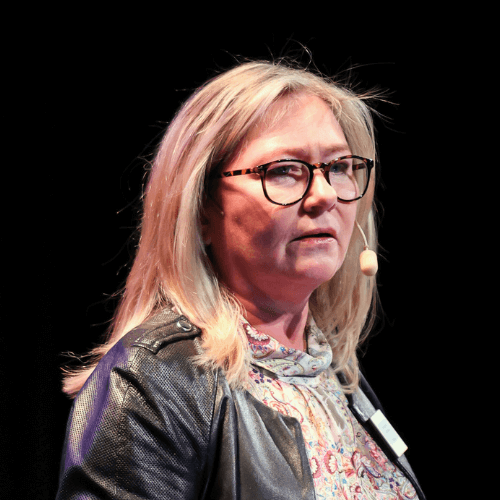
Nordic-Baltic PIAAC network: Promoting Skills Data for Policy Impact
The objective of the network is to increase awareness of results from the survey. It aims at promoting efficiency of labour market and educational policies in the Nordic and Baltic countries by providing analyses based on the PIAAC data. Moreover, the network aims at increasing the use of combined PIAAC and register data and to facilitate access to data for research purposes.
The Network is supported by the Nordic Council of Ministers (Nordic governmental cooperation), sectors of education and work. Collaboration between these two sectors show common interest in Improving adult basic skills. The goal of sustainable and competitive Norden calls for getting everyone on board.
For awareness raising purposes the network in collaboration with NLL has published 4 articles on PIAAC results, highlighting both high and low scores in Denmark, Finland, Norway and Sweden, and looking into the reasons behind them. Webinar for research community is in the nearest future plans.
<strong>Antra Carlsen</strong><br /><em class="subtitle">Nordic Network for Lifelong Learning (NVL) (DK)</em>
Position: Head-Coordinator
Country: Denmark
Antra Carlsen is the Head Coordinator of the Nordic Network for Lifelong Learning (NLL), operating under the auspices of the Nordic Council of Ministers. She has extensive experience in adult education policy and practice across Nordic and Baltic countries. Antra specialises in network and partnership development, supporting key areas such as basic skills, digital inclusion, guidance, and validation of prior learning. She holds a degree in Linguistics and English Philology from the University of Latvia.
- 10:30
Coffee break & Market Place
-
June 20th
Thursday
- 11:00
Panel Discussion
From Insights to Action: Reflections from the Parallel Sessions
coming soon
-
June 20th
Thursday
- 11:00
Panel Discussion
From Insights to Action: Reflections from the Parallel Sessions
coming soon
Judy Alamprese
Sam Duncan
Damian Fäh
Alex Stevenson
Zoltán Várkonyi
Judy Alamprese
Sam Duncan
Damian Fäh
Alex Stevenson
Zoltán Várkonyi
<strong>Judy Alamprese</strong><br /><em class="subtitle">Senior Policy Expert</em><br /><em class="subtitle">Track 1: Building Policies & Systems for Upskilling Pathways</em>
Position: Independent Consultant | Former Principal Scientist at Abt Global
Country: United States
Judith Alamprese is a distinguished expert in adult learning, workforce development, and education system reform, with over four decades of leadership experience in research, evaluation, and technical assistance. Trained as a sociologist, she has dedicated her career to addressing systemic and individual-level challenges in adult education, particularly among underserved populations.
Judith previously served as Principal Scientist at Abt Global (formerly Abt Associates), where she led national studies and technical assistance initiatives funded by the U.S. Departments of Education and Labor. She is currently Co-Principal Investigator of the CREATE Adult Skills Network, a major research collaboration focused on technology-enhance education for adults.
Her recent studies examined affordable programs of study in TVET, the use of text messaging to support adults’ attainment of a high school credential and enrollment in college and TVET training, and approaches to providing holistic services to support adult skills learners. She participated in the International Adult and Continuing Education Hall of Fame Conference in Florence, Italy, and was a member of the U.S. Delegation to the 6th International Conference on Adult Education, CONFINTEA VI and the 7th International Conference on Adult Education, CONFINTEA VII. She has presented at OECD, UNESCO, and other international conferences.
<strong>Sam Duncan</strong><br /><em class="subtitle">EBSN Executive Committee</em><br /><em class="subtitle">Track 2: Inclusive Approaches for Vulnerable Groups</em>
Position: Professor of Adult Literacies
Director of the International Literacy Centre
UCL Institute of Education
Country: United Kingdom
Professor Sam Duncan is a leading expert in adult literacy and a faculty member at the UCL Institute of Education. Her research explores the lived experience of adult readers and the social roles of literacy in adult life. She has conducted in-depth studies on reading circles, pleasure reading, and the development of adult reading.
Her published works include Reading Circles, Novels and Adult Reading Development (Continuum/Bloomsbury, 2012), Reading for Pleasure and Reading Circles for Adult Emergent Readers (NIACE, 2014), and Oral Literacies: When Adults Read Aloud (Routledge, 2021), which emerged from her AHRC Early Careers Research Leaders Fellowship.
Professor Duncan is the Director of the UCL International Literacy Centre and Co-Editor of the academic journal Literacy. She also serves on the Executive Committee of the European Basic Skills Network (EBSN), where she contributes to advancing research-based policies on basic skills across Europe.
<strong>Damian Fäh</strong><br /><em class="subtitle">EBSN Executive Committee</em><br /><em class="subtitle">Track 3: Innovative Pedagogy and Digital Solutions</em>
Damian Faeh is a certified education and training manager with 10 years of experience in various fields of adult education. He currently works as an innovation and quality manager, product developer and project coordinator for Flying Teachers. He is specialized in the fields of innovative methodology and learning resources, basic skills provision and teacher-training for language and basic skills trainers. His work strongly focusses on artificial intelligence and its role in workflow and process management as well as teaching, learning and assessment. He has developed several training programmes in this context, also focussing on critical and ethical aspects of AI usage. In European projects, his main interest are integrated learning approaches, exploring multi-disciplinary training programmes and involving all relevant stakeholders in workplace learning and training.
<strong>Alex Stevenson</strong><br /><em class="subtitle">EBSN Executive Committee</em><br /><em class="subtitle">Track 4: Data, Evidence, and Communication</em>
Alex Stevenson is the Deputy Director at the Learning and Work Institute, where he leads work on essential adult skills, including literacy, numeracy, English for Speakers of Other Languages (ESOL), and digital competencies. Alex has advised the UK Department for Education, the Welsh Government, and the Greater London Authority on adult skills policy. He served as a member of the Executive Board of the European Association for the Education of Adults (EAEA) from 2019 to 2025. Additionally, Alex is a member of the Executive Committee of the European Basic Skills Network (EBSN), where he contributes to transnational dialogue and policy development aimed at enhancing basic skills provision across Europe.
Moderator: <strong>Zoltán Várkonyi</strong><br /><em class="subtitle">Secretary General, European Basic Skills Network (Hungary)</em>
Zoltán is one of the initiators of the Hungarian Association for Lifelong Learning and had a decisive role in developing and promoting the Network of Open Learning Centres in Hungary. Zoltán is a co-founder and director of Progress Development Co., which also functions as a knowledge centre for basic skills teaching & learning for the Network. Progress accommodates EBSN Secretariat in Budapest. He was a member of the EBSN Executive Committee between 2013-17 and the Head of the Secretariat between 2017-23, and he has served as Secretary General since May 2023. As a Team leader, Zoltán coordinates the creation of OERs and MOOCs as part of the EBSN Professional Development Series and EBSN Capacity Building Series, and the content production of the EBSN Epale Team.
-
June 20th
Thursday
- 11:45
Workshop: Action Planning - Translating Conference Insights into Future Strategies
coming soon
<strong>Prof. Dr. Maurice de Greef</strong><br /><em class="subtitle">Vrije Universiteit Brussel (Belgium)</em>
Maurice is the UNESCO Chair on Adult Education at the Vrije Universiteit Brussel. He published his dissertation (PHD) about the outcomes of adult education. In cooperation with Maastricht University, he realised more than 150 studies in more than 200 communities concerning the impact and success factors of adult education. He has managed local, regional and international projects in innovating learning-environments, strategic policy-making in adult education and developing strategies for approaching learners and realising new courses in local settings. Maurice focuses on conducting studies and initiating projects on the increase of social inclusion of vulnerable populations, (migrants, elderly people, people with lower levels in education or lower skills in literacy) especially through learning. He feels that everyone deserves a second chance by realizing his or her own learning process.
<strong>EBSN Executive Committee</strong><br /><em class="subtitle"></em>
Zsolt Vincze
Cäcilia Märki
Dr Samantha Duncan
Alex Stevenson
Damian Fäh
-
June 20th
Thursday
- 11:45
Workshop: Action Planning - Translating Conference Insights into Future Strategies
coming soon
<strong>Prof. Dr. Maurice de Greef</strong><br /><em class="subtitle">Vrije Universiteit Brussel (Belgium)</em>
Maurice is the UNESCO Chair on Adult Education at the Vrije Universiteit Brussel. He published his dissertation (PHD) about the outcomes of adult education. In cooperation with Maastricht University, he realised more than 150 studies in more than 200 communities concerning the impact and success factors of adult education. He has managed local, regional and international projects in innovating learning-environments, strategic policy-making in adult education and developing strategies for approaching learners and realising new courses in local settings. Maurice focuses on conducting studies and initiating projects on the increase of social inclusion of vulnerable populations, (migrants, elderly people, people with lower levels in education or lower skills in literacy) especially through learning. He feels that everyone deserves a second chance by realizing his or her own learning process.
<strong>EBSN Executive Committee</strong><br /><em class="subtitle"></em>
Zsolt Vincze
Cäcilia Märki
Dr Samantha Duncan
Alex Stevenson
Damian Fäh
-
June 20th
Thursday
- 12:45
Closing Session: Summary of Key Messages and Follow-up Initiatives
coming soon
<strong>Zoltán Várkonyi</strong><br /><em class="subtitle">Secretary General, European, EBSN Secretariat</em>
Zoltán is one of the initiators of the Hungarian Association for Lifelong Learning and had a decisive role in developing and promoting the Network of Open Learning Centres in Hungary. Zoltán is a co-founder and director of Progress Development Co., which also functions as a knowledge centre for basic skills teaching & learning for the Network. Progress accommodates EBSN Secretariat in Budapest. He was a member of the EBSN Executive Committee between 2013-17 and the Head of the Secretariat between 2017-23, and he has served as Secretary General since May 2023. As a Team leader, Zoltán coordinates the creation of OERs and MOOCs as part of the EBSN Professional Development Series and EBSN Capacity Building Series, and the content production of the EBSN Epale Team.
-
June 20th
Thursday
- 12:45
Closing Session: Summary of Key Messages and Follow-up Initiatives
coming soon
<strong>Zoltán Várkonyi</strong><br /><em class="subtitle">Secretary General, European, EBSN Secretariat</em>
Zoltán is one of the initiators of the Hungarian Association for Lifelong Learning and had a decisive role in developing and promoting the Network of Open Learning Centres in Hungary. Zoltán is a co-founder and director of Progress Development Co., which also functions as a knowledge centre for basic skills teaching & learning for the Network. Progress accommodates EBSN Secretariat in Budapest. He was a member of the EBSN Executive Committee between 2013-17 and the Head of the Secretariat between 2017-23, and he has served as Secretary General since May 2023. As a Team leader, Zoltán coordinates the creation of OERs and MOOCs as part of the EBSN Professional Development Series and EBSN Capacity Building Series, and the content production of the EBSN Epale Team.
- 13:00
Lunch & Farewell
Padlet
The padlet for the conference is open to everyone who wishes to learn more about the conference, the speakers and EBSN’s new initiatives. Register and log in and contribute with your name to the conference padlet!
Find a manual to using the conference padlet here.
Access conference padlet directly here!
For easier access use the Padlet app!
Install the app:
Google Play: 

Join the conference padlet by
or
pasting a URL
https://padlet.com/progress2/ebsnconference2025

Virtual Marketplace
We are continuing the tradition from EBSN annual conferences of providing a space i.e. marketplace for sharing information and networking. This year the marketplace is hosted in an allocated section in the conference padlet. The Virtual Marketplace is dedicated to promoting interaction, networking, and sharing additional resources beyond those presented at the workshop talks.
Conference Declaration
The Conference Declaration is an important element of all EBSN conferences. You can find the first draft of the declaration in the conference padlet. Add you comments in the dedicated padlet post below and be part of the co-creation of the 2021 Conference Declaration!
Project Generation Facility
The EBSN Secretariat’s former initiative in supporting project generation among network members continues this year too. The Member Organisations’ diverse background represent a significant potential for partnership-building. The Secretariat wishes to further promote cooperation among EBSN Members and beyond. Make sure to visit the conference padlet‘s respective section and share your ideas for future projects or find partners.
EBSN Café
EBSN Secretariat continues to promote interaction and a sense of cooperation and belonging to EBSN Members! We have organised the first Café this year and we are planning the next one at the end of the year!
We look forward to welcoming you to Brussels for three days of inspiring discussions, hands-on learning, and collaborative exchange. Save the date, and be part of shaping the future of adult basic skills policies and practices in Europe!
To spread the news of the work we are creating together, feel free to share your experiences on social media and use the #EBSN #EBSN2025 #EBSNconference hashtags and tag @EBSN.
For more technical and practical information about the conference, please get in touch with us through e-mail: secretariat@basicskills.eu.
For updates please follow our social media accounts!